The Mystery of Hinterkaifeck: A Haunting Crime from 1922
The Discovery at HinterKaifeck (4th April 1922) –
Germany in the early 1920s faced significant challenges, including economic hardship, political instability, and the aftermath of World War I. The government was required to pay reparations to Great Britain and France and, under the Treaty of Versailles, lost 13% of its territory. These cumulative difficulties placed the new government at a considerable disadvantage, resulting in widespread economic despair, war trauma, and loss of life. Amid these crises, events such as the Hinterkaifeck murders received limited public attention.
The name 'Hinterkaifeck' originates from the nearby village of Kaifisch, the closest settlement to the site of the murders. The farm's name, chosen by its owners, translates as 'Behind Kaifeck.' The property belonged to the Gruber family, who, along with their maid, were found dead on 4 April 1922.
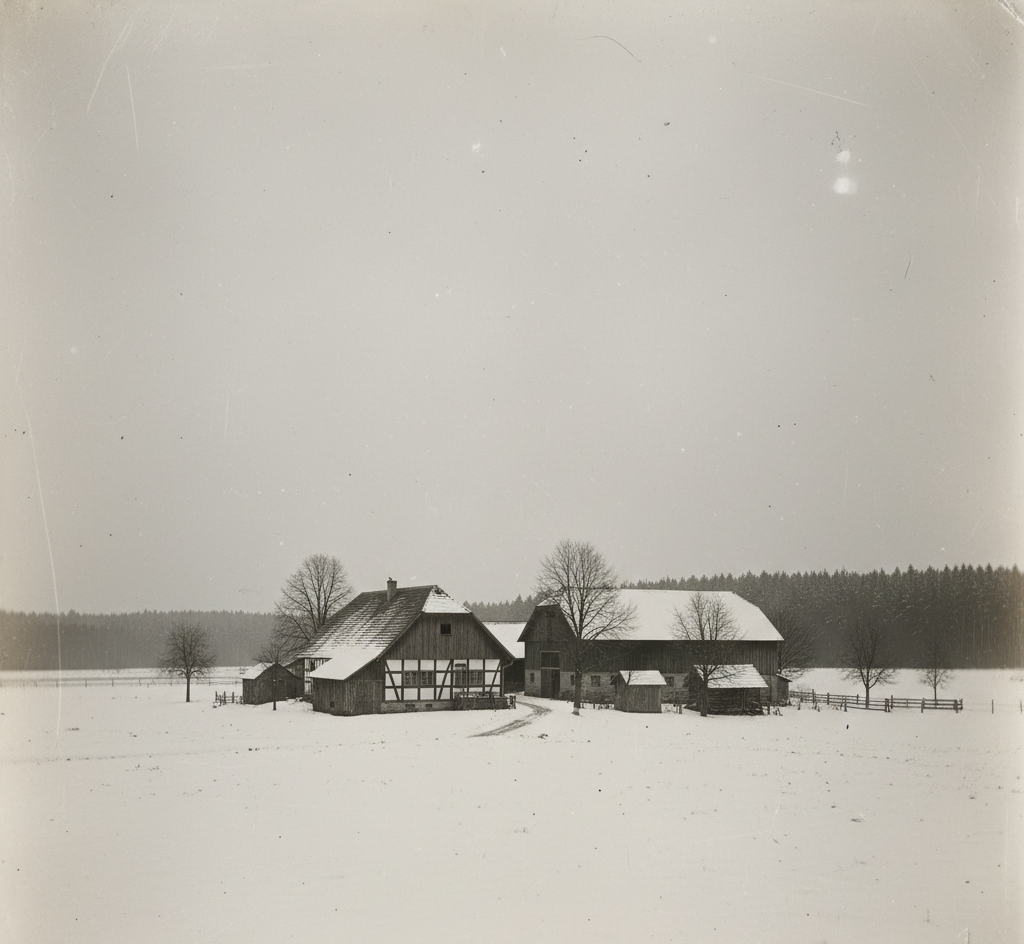
On 4 April 1922, neighbours grew concerned after not seeing the Gruber family for several days. The residents of Hinterkaifeck were sixty-three-year-old Andreas Gruber, his seventy-two-year-old wife Cazilla, their daughter Viktoria Gabriel, and Viktoria’s children, Cazilia and Josef. Viktoria, a widow, lived with her parents. The household also included their maid, Maria Baumgartner.
Neighbours were accustomed to observing daily activity at the Gruber farm. When no movement was observed for several days, they contacted authorities to investigate. Police discovered the bodies of Josef and Maria Baumgartner in their beds. The shock intensified when investigators found the bodies of Andreas, Cazilla, Viktoria, and young Cazilia in the barn.
Autopsy results indicated that the victims were beaten and hacked to death with a mattock, a tool similar to a pickaxe. Investigators combined this evidence with eyewitness testimony to determine that the murders occurred on 31 March 1922.
Life at the Farm: Isolation, Conflict, and Social Reputation-
The Hinterkaifeck farm was situated north of Kaifeck, concealed near a dense forest on the rural outskirts of Waidhofen. Six months before the murders, the original maid left, claiming the attic was haunted after hearing footsteps and sensing someone watching her.
The Gruber family was viewed with suspicion by neighbours because of their reclusive behaviour, which heightened social tensions. Andreas Gruber, the family patriarch, was known for abusive conduct within the household. After Viktoria’s husband died in World War I, she returned to live with her parents. Andreas and Viktoria engaged in an incestuous relationship, for which they were convicted; Andreas served a one-year prison sentence, but the abuse continued. Viktoria’s son Josef was reportedly conceived as a result of this abuse. Josef was later adopted by Lorenz Schlittenbauer, who was involved with Viktoria at the time.
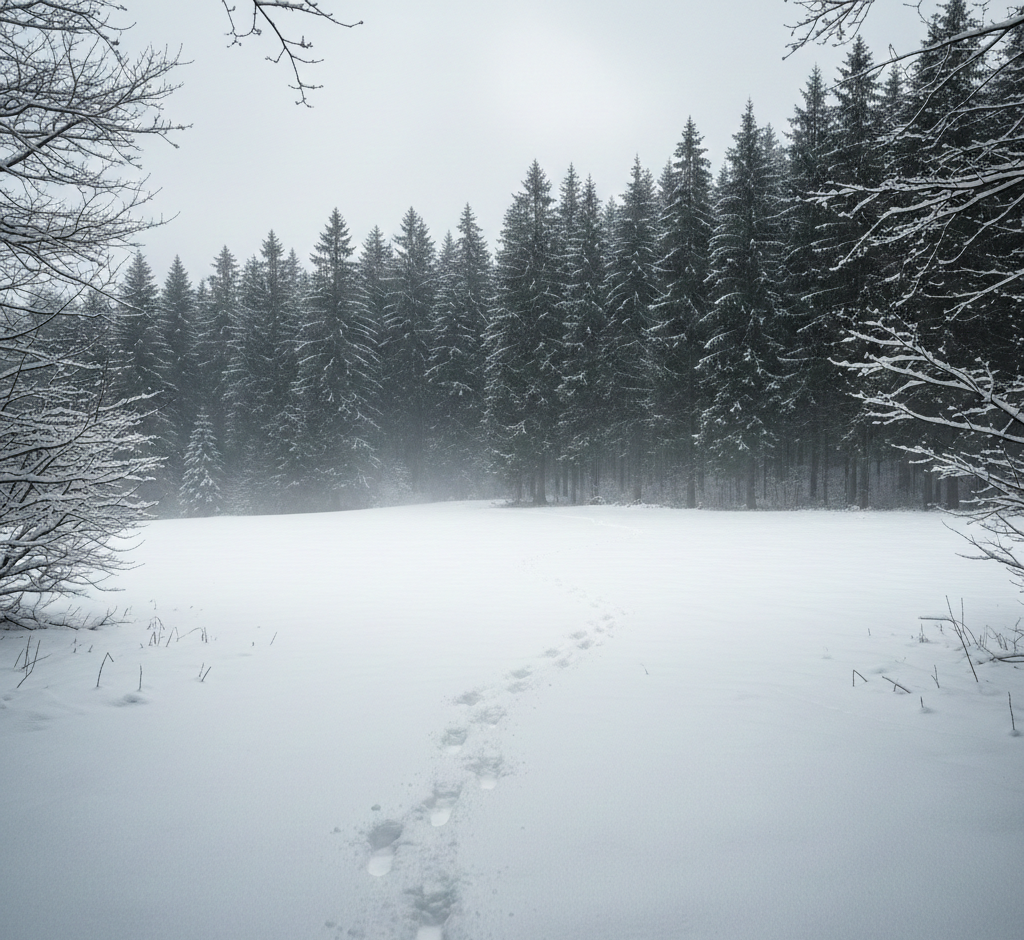
In the days preceding the murders, Andreas informed his neighbours that he had discovered tracks in the snow leading from the forest to a door with a broken lock, which provided access to the farm's machine room. That same night, the Gruber family believed they heard footsteps in the attic, but Andreas found no one upon investigation.
These incidents were not isolated. In the days leading up to the murders, additional unusual details emerged, intensifying the sense of unease at the farm. Andreas reportedly found a Munich newspaper on the property, which no member of the household had purchased or subscribed to. The family could not explain its presence. Additionally, a set of house keys went missing shortly before the killings, raising suspicions that someone may have accessed the property without the family's knowledge.
The previous maid’s claims of disturbances in the attic, initially dismissed as superstition, gained credibility in retrospect. She had insisted she heard consistent movement above the ceiling and believed someone was occupying the space. At the time, her departure was attributed to nerves and imagination. However, after the murders, her testimony was reconsidered with greater seriousness.
Despite these warning signs, daily life at the farm continued. The family hired a new maid, Maria Baumgartner, who arrived on the day of the murders. It is unclear whether she was aware of the unusual events that had occurred in the preceding weeks. Within hours of her arrival, she became a victim as well.
The combination of social isolation, internal family tension, and unexplained disturbances created an environment that, in retrospect, appeared ominous. However, none of these factors was sufficient to prevent the subsequent tragedy.
Signs Before the Crime: Surveillance or Paranoia-
In the days leading up to March 31, several clues suggested possible surveillance of the farm. Footprints in the snow, discovered by Andreas, led from the forest to the machine room but did not return. Unexplained sounds, including footsteps in the attic, suggested that someone may have been observing the family, though searches turned up no intruder.
The family declined assistance from concerned neighbours and chose not to report these unusual occurrences to authorities. The reasons for this decision remain unclear, whether due to stoicism, fear of ridicule, or confidence in their ability to manage the situation independently. Within the close-knit community, rumours about the family's predicament proliferated, including suggestions of a curse or ominous signs, which heightened the prevailing sense of dread and worry. ified items, such as a Munich newspaper to which the family did not subscribe, were found on the property. Additionally, house keys went missing, and the lock on the machine room door was broken. These incidents reinforced the previous maid’s suspicions that the perpetrator or perpetrators may have remained on the property for several days. After the murders, neighbours observed smoke coming from the chimney, indicating that the perpetrator or perpetrators may have remained on the property for several days. During this period, farm animals were fed, and food was consumed from the pantry. Police later found evidence suggesting that someone had been living in the attic.
The possibility that the perpetrator remained on the property after the killings is among the most disturbing aspects of the case. Investigators concluded that the bodies were discovered several days after the murders, denoting a prolonged period during which the farm continued to function as if normal. The livestock were cared for methodically, meals were prepared and partially consumed, and doors were opened and closed in a manner that implied intentional movement rather than panic.
These details complicate the offender's psychological profile. The crime did not appear to be an impulsive act followed by immediate flight; rather, it was controlled, patient, and composed. If the attic had been occupied before the murders, it suggests the family may have been observed for days or even weeks before the attack. The concept of silent surveillance transforms the crime from a violent outburst into a calculated intrusion into an isolated domestic environment.
In rural Bavaria, where farms stood separated by fields and forest, isolation provided both security and vulnerability. Hinterkaifeck’s remoteness, formerly a symbol of self-sufficiency, may have ultimately enabled the crime to unfold undetected.
The Murders and Post-Crime Behaviour-
On 31 March 1922, Maria Baumgartner, the newly appointed maid, arrived at Hinterkaifeck farm. Unaware of the impending tragedy, she became part of a sequence of events that would devastate the Gruber household. That evening, family members were methodically lured one by one to the barn, where the perpetrator used a mattock as the weapon.
Within the barn, members of the Gruber family, including the elderly Cazilla Gabriel, were killed. The perpetrator then proceeded to the living quarters, where two-year-old Josef was murdered while sleeping in his bassinet. Maria Baumgartner was also killed in her bedroom, ending her life on the day she began her employment.
The aftermath of the murders deepened the mystery. The bodies were not immediately discovered, and days passed in apparent normalcy. The farm’s daily routines appeared undisturbed: smoke rose from the chimney, cattle were fed and milked, and food was prepared and consumed. These details suggested that someone remained on the property following the killings.
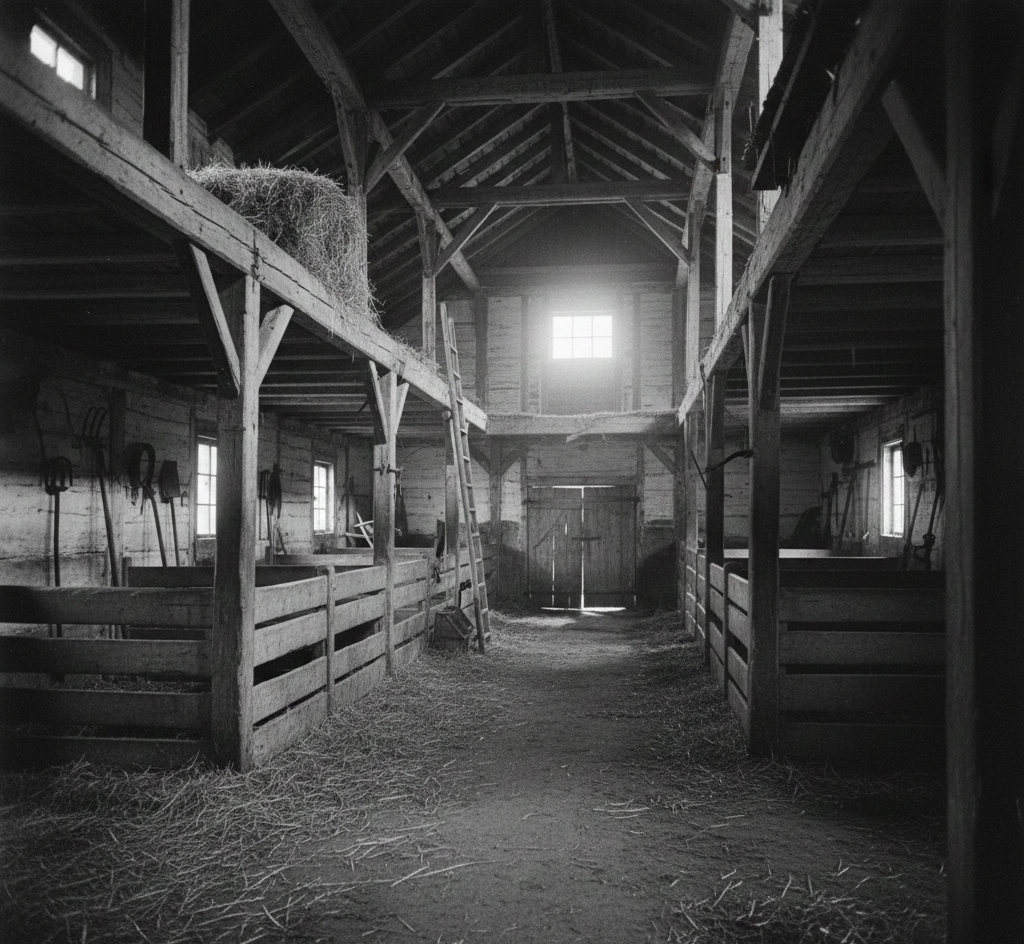
Inside the barn, beneath laInside the barn, beneath layers of deliberately arranged hay, the bodies of four family members were discovered. The remaining victims were found within the living quarters, confirming that the attack had occurred in stages. The scene bore signs of calculated movement rather than wild turmoil. There was no evidence of unauthorised entry at the main residence, nor were any significant valuables reported stolen, which complicates the robbery as a primary motive. The perpetrators' brutality and the perpetrator’s apparent composure after the crime deeply unsettled both investigators and residents.
Investigation and Forensic Limitations in 1922 Bavaria
In the immediate aftermath of the discovery of the six bodies—all members of the Gruber family and their maid—it became apparent that local law enforcement was not capable of handling such a brutal and complex case. The initial investigation was slow and marred by several major mistakes, including allowing locals to walk through the crime scene, which could have destroyed crucial evidence. There was a delay in forensic analysis because the bodies were buried before a thorough autopsy, and, of course, because there was a lack of modern investigative tools.
Inspector Georg Reingruber led the Investigation of the massacre, and his team was laden with difficulties from the outset. A disturbing level of contamination plagued the horrific crime scene as numerous individuals had unknowingly tampered with the evidence. Curiosity or concern had compelled some to interact with the scene, moving bodies and items, and, remarkably, even to cook and partake of meals within the very kitchen that witnessed the unspeakable tragedy.
Such actions inadvertently destroyed crucial evidence, making the task of unravelling the truth all the more difficult for the Investigators. Despite these initial difficulties, the firm determination of the investigative team started the investigation on the day after the discovery of the bodies. The court physician, Dr Johann Baptist Aumuller, took on the grim duty of performing autopsies within the barn, a harrowing task.
It revealed that a Mattock is a seemingly assumed farm tool as the likely instrument of death wielded by the ruthless perpetrator. Yet, shockingly, the autopsy revealed an even more chilling detail. The youngest victim, 7-year-old Cazilia, had endured a heart-wrenching struggle for survival. Her little body bore the heartbreaking evidence that she had been alive for several agonising hours after the initial assault. In a desperate bid for life, she had resorted to tearing her own hair out, a haunting evidence of the horror she had endured in her final moments.
The investigation faced additional complexities as the motive remained a mystery.
Initial suspicions pointed towards robbery, but this theory was quickly dismissed when a considerable sum of money was found untouched within the house. The evidence instead pointed to a more disturbing conclusion: the murderer or murderers appeared to have lived within the farm for several days after the killings. The telltale signs included evidence of cattle being fed, the entire supply of bread from the kitchen being consumed and fresh cuts of meat taken from the pantry. This inscrutable aspect of the case puzzled investigators in the community alike, leaving them struggling with an elusive motive and an unidentified killer.
Even more disturbingly, the haunting footsteps in the attic and the strange sounds that plagued the family in the months leading up to the tragedy now took on a spine-tingling significance, suggesting that the perpetrator had perhaps been living within the actual walls of the farm all along. While the Investigation continued, a list of suspects began to take shape. Various individuals were considered, ranging from local artisans and vagrants to Neighbouring villagers. Despite repeated arrests, no conclusive evidence identified the perpetrator, and the investigation eventually hit a wall. The files brimming with testimonies were eventually closed in 1955, rendering the case officially unsolved.
Suspects and Diffused Suspicion
In the immediate aftermath of the discovery, suspicion did not rest on any single individual but spread across the village's social landscape. The brutality of the crime demanded an explanation, yet the absence of clear forensic evidence meant that motive and rumour quickly filled the vacuum. As a result, suspicion became diffuse rather than concentrated.
One of the most scrutinised figures was Lorenz Schlittenbauer, a local farmer who had previously been romantically involved with Viktoria Gabriel and was widely believed to be the father of young Josef. His complicated personal history with the family, combined with his relatively composed demeanour upon discovering the bodies, triggered speculation. Observers later claimed his reactions appeared unusual; he moved through the crime scene with familiarity, and some accounts suggested he disturbed evidence before authorities arrived. However, these allegations were primarily anecdotal and did not amount to sufficient evidence to prosecute.
Other theories reached beyond personal motives. Some investigators considered itinerant labourers, vagrants, or even organised bandits operating in post-war Bavaria. Germany in the early 1920s was noted for instability, financial hardship, and social dislocation following World War I. Violence was not unheard of in rural regions, and transient individuals were often viewed with suspicion. Yet no definite link was established connecting any outsider to the crime.
There were also darker, more insular theories, suggestions of family secrets, revenge, or long-standing resentments within the community. Andreas Gruber’s reputation for hostility and the prior legal scandal involving incest allegations had alienated the family socially. This isolation may have narrowed the circle of trust while simultaneously widening the pool of potential enemies.
Ultimately, the investigation suffered from procedural limitations characteristic of the era. Crime scene preservation was minimal, forensic science rudimentary, and record-keeping inconsistent. Over time, key witnesses died, memories dimmed, and speculation cemented into folklore. The result was not the identification of a single dominant suspect, but the slow diffusion of suspicion across many plausible narratives.
Hinterkaifeck became less a case with a suspect and more a mystery sustained by ambiguity. In the absence of decisive evidence, suspicion was dispersed.
Why the Case Remains Unsolved
More than a century later, the Hinterkaifeck murders remain unresolved not because of a lack of theories, but because of structural investigative limitations along with the erosion of time.
First, the crime scene itself was irreparably compromised. Before authorities secured the farm, multiple villagers entered the property. Bodies were moved, rooms were disturbed, and potential forensic evidence was unknowingly destroyed. In 1922, standardised crime scene protocol was still in its infancy. Fingerprinting existed, although systematic collection methods were inconsistent, and DNA analysis was decades away. What might today constitute decisive forensic evidence was unavailable at the time.
Second, the investigation was conducted within a rural community characterised by reputation, hierarchy, and social proximity. Many potential suspects were known personally to investigators and villagers. This proximity may create both bias and hesitation. In small communities, suspicion carries social consequences, and testimonies are often coloured by fear of being accused or ostracised. It is possible that crucial information was never formally recorded, either intentionally withheld or prematurely dismissed.
Third, the wider historical context must be considered. The murders occurred during a period of instability in post–World War I Germany: political unrest, economic stress, and administrative fragmentation placed pressure on regional institutions. Law enforcement resources were constrained, and forensic infrastructure was rudimentary. The ability to conduct long-term, multi-regional investigations was constrained.
Finally, time itself has sealed the case. Key witnesses died. Physical evidence was degraded or lost. Official files were partially destroyed during World War II. Later investigative reviews, including academic reexaminations in the late twentieth and early twenty-first centuries, were forced to rely upon incomplete documentation and retrospective interpretation.
What remains is not a mystery devoid of suspects but one fractured by uncertainty. Every plausible theory contains gaps; every suspect lacks definitive proof. The case persists not because answers were impossible, but because the conditions necessary to secure them no longer exist.
Hinterkaifeck remains a study in investigative fragility, a signal that justice is frequently constrained not by will but by method, context, and time.

References-
The Hinterkaifeck Murders. Jack Rosewood. https://jackrosewood.com/hinterkaifeck-murders/
The Hinterkaifeck Mystery. https://www.guyhadleigh.com/blog/the-hinterkaifeck-mystery
Naik, S. (2025). The Cold And Unsolved Case Of Hinterkaifeck Farmstead. Reflections.live. https://reflections.live/articles/8123/the-cold-and-unsolved-case-of-hinterkaifeck-farmstead-article-by-shilpha-naik
James, S. (2025, September 2). The Hinterkaifeck Murders. Medium. https://jamesysooz.medium.com/the-hinterkaifeck-murders-08506f1aafc2
How The Hinterkaifeck Tragedy Remains Germany’s Biggest Unsolved Case - HistorySnob. (2024). HistorySnob. https://www.historysnob.com/war-and-historical-events/how-the-hinterkaifeck-tragedy-remains-germanys-biggest-unsolved-case