Psychological Warfare and The MK-Ultra Program

Fear, Psychology, and State Power
During World War II, German scientists conducted experiments on human subjects using substances such as barbiturates, morphine derivatives, and hallucinogens like mescaline to facilitate interrogation. The stated objective was to develop a 'truth serum' capable of suppressing the subject's will. Japanese researchers also adopted similar unethical practices.
Following the Korean War (1950–1953), the United States became increasingly interested in these experimental methods, suspecting that North Korea, China, and the Soviet Union had employed mind-control techniques on captured American prisoners of war.
In the wake of the Cold War's emphasis on 'brainwashing' techniques, Project MK-Ultra evolved into a large-scale, covert operation under the leadership of Dr Sidney Gottlieb. From 1953 to the early 1970s, the CIA funded more than 140 sub-projects at universities, prisons, and hospitals, often using front organisations to obscure its involvement. The research scope extended beyond interrogation, including high-dose LSD administration, sensory deprivation, and electroshock therapy on both consenting and non-consenting subjects. Operation Midnight Climax, a particularly infamous sub-project, established safehouses where unsuspecting individuals were administered hallucinogens and observed through one-way mirrors to investigate the limits of human consciousness and control.
The competitive dynamic of the Cold War era extended beyond the development of intercontinental ballistic missiles and nuclear weapons to encompass behavioural modification, commonly referred to as mind control. Since the end of World War II, the United States has closely monitored Soviet weapons testing, armament, and military capacity, which has increased pressure on intelligence agencies to enhance military capabilities rapidly. Many of these projects operated without direct congressional or executive oversight. In subsequent decades, significant questions arose about how such programs were permitted domestically, especially as several infringed on citizens' rights and exceeded agency mandates. Among the mandates. Among’ mandates. Among the most controversial of these programs was Project MK-Ultra, which involved the CIA’s deliberate use of controlled substances and psychotherapy on both willing and unwitting subjects to counter perceived threats from China and the Soviet Union’s mind-control.
The Origins of Psychological Warfare
As tensions between the communist and non-communist worlds intensified in the late 1940s and 1950s, the role of psychology in warfare was given renewed emphasis, as global leaders declared that the Cold War was not only a struggle for territory or military dominance but also an ideological one. This point was made explicit by Dwight Eisenhower in a presidential campaign speech in 1952, when he stated that the aim of the Cold War was not ‘the conquering of territory or subjugation by force’, but rather to persuade the world to believe the truth (or at least an American version of it). Eisenhower continues, ‘the means we shall employ to spread this truth are often called ‘psychological’. Don’t be afraid of that term just because it’s a five-dollar, five-syllable word. ‘Psychological warfare’ is the struggle for the minds and wills of men.
A shock for the US government came with the return of US prisoners of war captured in Korea. Not only did the soldiers come home claiming that biological weapons had been used by the US army in Korea, something that the US government had always denied, but they also praised forms of the Korean lifestyle and criticised those of the US.
Public anxiety intensified following reports of US soldiers returning from the Korean War and allegedly adopting communist ideologies, a phenomenon popularised as the "Manchurian Candidate" fear. This led to concerns about a new form of "brain warfare" perceived as irresistible. The US government first became aware of the potential use of mind-control by communist regimes in 1949 during the trial of Hungarian Cardinal Mindszenty, a prominent critic of the regime. Mindszenty appeared absent-minded, exhibited robotic movements, and confessed to crimes he had not committed. US officials quickly concluded that some form of behavioural manipulation was likely involved.

The Director of Central Intelligence, Allen W. Dulles, authorised the clandestine program in 1953. In a speech delivered the same year at Princeton University’s National Alumni Conference, Dulles remarked regarding understanding alleged Soviet mind-control techniques: “We, in the West, are somewhat handicapped in getting all the details. We have no human guinea pigs of our own on whom to try these extraordinary techniques.”
The MK-Ultra program was meant to provide both the human guinea pigs and the scientific results. In an internal memorandum, the project’s aims were described as “research and development of chemical, biological, and radioactive materials, and of techniques for the employment of electro-shock, capable of producing human behavioural or physiological change.” These experiments, which encompassed a large number of human rights violations, occurred throughout the 1960s and were more fully revealed in the 1975 Church Committee hearings.
The contest for psychological influence manifested in multiple ways, yet the term 'brainwashing' most effectively encapsulated the era's anxieties about psychological warfare. Popularised by reporter Edward Hunter in 1950, 'brainwashing' originally referred to fears of communist psychological tactics and expanding global influence. The concept was soon adapted to critique various forms of domestic control, sparking debates about the impact of new media, parenting, advertising, and corporate power. MK-Ultra projects sought to 'study human response to drugs and environmental conditions that might manipulate individuals to perform behaviours against their will.'
Institutional Design and Secrecy Mechanisms
The MK-Ultra program did not result solely from individual initiative or isolated misconduct. Instead, it was embedded within an institutional framework designed to minimise oversight, diffuse responsibility, and maintain operational secrecy. This structure allowed controversial research to continue for years with minimal external scrutiny.
At the Centre of this system was the CIA, which operated under broad Cold War mandates emphasising national security and intelligence superiority. Within this environment, secrecy was not an exception but a governing principle. Programs were compartmentalised so that few individuals possessed comprehensive knowledge of their scope or purpose. Information was distributed on a “need-to-know” basis, limiting internal accountability.
MK-Ultra itself was divided into more than 140 subprojects, each funded and managed separately. These subprojects were administered through a complex network of front organisations, research foundations, and private contractors. Universities, hospitals, and laboratories received funding without full disclosure of its source or ultimate objectives. In many cases, researchers were unaware that their work was connected to intelligence operations.

Financial mechanisms additionally strengthened secrecy. Funding was routed through shell entities and disguised grants, preventing routine budgetary oversight. This structure ensured that MK-Ultra activities remained buried inside broader administrative expenditures. Congressional review committees, lacking detailed documentation, were unable to trace these allocations effectively.
Compartmentalisation spanned beyond finance. Operational units were insulated from one another, and documentation was divided among departments. Personnel working on individual experiments frequently lacked awareness of parallel projects. This partition reduced the likelihood that moral concerns would escalate through internal channels, as no single actor possessed ample context to challenge the program’s direction.
Leadership practices further entrenched this system. Senior officials prioritised operational autonomy and relied on internal hierarchies rather than external regulation. The organisational culture valued results and secrecy over transparency and procedural restraint, discouraging dissent and normalising ethical ambiguity as routine in intelligence operations. Congressional supervision was limited by classification barriers and institutional deference to national security claims. Investigators relied heavily on voluntary disclosures from agency leadership, creating structural vulnerabilities to concealment.
The culmination of this secrecy architecture occurred in 1973, when Director Richard Helms authorised the destruction of large portions of MK-Ultra documentation. This act was facilitated by the very compartmentalisation and record fragmentation which defined the program. Without centralised archives, comprehensive reconstruction became impossible.
The structure of MK-Ultra demonstrates how institutional systems can create moral insulation. Responsibility was dispersed, accountability diluted, and ethical consequences obscured. While no single individual appeared fully culpable, the system as a whole enabled ongoing violations.
MK-Ultra did not function as an aberration but rather emerged from a rationalised bureaucratic logic that prioritised secrecy, autonomy, and operational flexibility. Its persistence illustrates how institutional structures can normalise extreme practices when insulated from effective oversight.
It was Dr Sidney Gottlieb, chief chemist at the CIA, who was to be the mind behind MK-Ultra. Historian Stephen Kinzer emphasises the anonymous nature of Gottlieb’s role; even at the CIA, his work was completely unknown, yet Gottlieb had what Kinzer describes as a ‘license to kill’ by the US government. Dulles directed Gottlieb to find a truth drug to win the Cold War. Gottlieb’s approach was first to destroy the existing mind and then insert a new line of thought.
Experimentation on Human Subjects
LSD experimentation constituted a significant portion of the program, involving administration to CIA employees, military personnel, medical professionals, government agents, sex workers, psychiatric patients, and members of the public to observe their reactions. These experiments were frequently conducted without informed consent, in violation of the Nuremberg Code, which the United States adopted after World War II. Recruitment efforts were often illegal, regardless of the legal status of LSD, which remained legal in the United States until October 1966.
During Operation Midnight Climax, the CIA established several brothels to attract individuals who would likely be reluctant to report their experiences. These experiments highlight the vulnerability of MK-Ultra's victims, who were often marginalised members of society. The selection of such participants assumed that, if they were discovered, their accounts would not be believed.
Participants were administered LSD in these brothels, which were equipped with one-way mirrors, and the sessions were recorded for subsequent analysis. Ultimately, MK-Ultra researchers dismissed LSD as a primary tool due to its unpredictable effects. While some useful information was occasionally obtained, the most notable outcome was often the subjects' unwavering belief in their ability to resist interrogation, including physical coercion.
Additional experiments involved administering barbiturates intravenously into one arm and amphetamines into the other. Barbiturates were introduced first, and once subjects began to lose consciousness, amphetamines were administered, often resulting in incoherent speech. Interrogators sometimes attempted to extract information during this state. Other experimental substances included heroin, morphine, temazepam, mescaline, psilocybin, scopolamine, marijuana, alcohol, sodium pentothal, and ergine. Hypnosis was also studied, though it proved less effective than pharmacological methods.
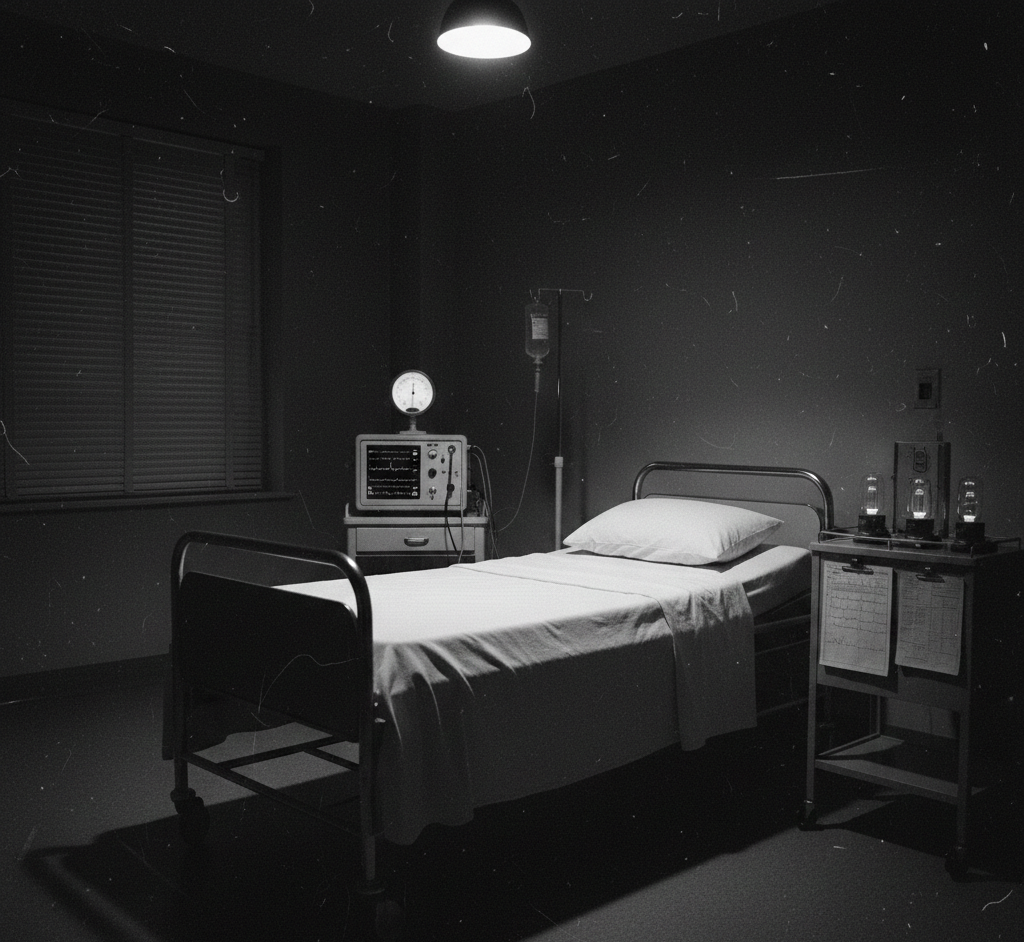
Mk-Ultra was carried out on numerous Americans and people from other countries, too. Experiments were also conducted outside of the US, though, just like domestic experiments, they violated basic medical ethics and were often even more brutal and inhumane. ‘Patients’ were suspected enemy agents, refugees, and captured North Korean prisoners of war, who had no connection to the outside world, thus making them easy to ‘dispose’ of.
In Canada, the CIA contracted several mental health professionals to conduct experiments, including Dr Donald Ewen Cameron. By 1943, Cameron was a prominent psychiatrist and was invited by neurologist Wilder Penfield to lead the newly established Allan Memorial Institute, where he became the first director. Cameron also served as the inaugural chairman of McGill University’s psychiatry department. He was regarded as a humane and progressive figure in his field. The Allan Memorial Institute pioneered the 'open door' policy, allowing patients to leave at will, and introduced day hospital programs enabling patients to return home after daytime treatment. These practices were innovative at the time and have since become standard in psychiatric care.
One of Dr Donald Ewen Cameron’s research focuses was the treatment of schizophrenia. He believed it could be cured by “depatterning”, erasing memories and bringing patients to a childlike state. Patients’ personalities and identities would then be rebuilt using a technique called “psychic driving.”
Psychic driving involved forcing patients to listen to taped messages played on a loop. Patients, who were immobilised and sedated, often underwent this treatment for as long as 16 hours each day. Messages might be repeated hundreds of thousands of times. Typically, a patient might endure 10 days of negative messages that often attack a perceived personality problem. This was then followed by 10 days of positive messages.
Psychic driving involved other highly experimental treatments like placing patients in a drug-induced coma. This practice was often carried out for much longer than they anticipated (in one case, it reportedly lasted 86 days). In some instances, the patient would also be given large doses of psychotropic drugs, such as LSD. In other cases, patients were subjected to electroshock therapy at up to 75 times the normal intensity. In other cases, both drugs and electroshock therapy were used simultaneously.
Some patients were subjected to sensory deprivation, which diminished basic senses such as sight, smell, and hearing. This approach sometimes included restricting food and water intake. High doses of sedatives were administered to maintain sedation, rendering patients as helpless as infants, unable to stand, walk, or, in some cases, control bodily functions. Cameron frequently exceeded standard medical protocols, administering electroshock therapy more often and at higher intensities than was typical.
Many patients experienced retrograde amnesia. They became unable to recall memories made before their treatments. They also had to relearn whatever skills they had. In many cases, family members described their loved ones as being more emotionally unstable and damaged than before the treatments began. One patient describes being unable to remember what happened to her up to two years after her treatment. Another forgot his children or how to run the business he had managed for years. Dr Cameron likely treated hundreds of patients under this program.
Other experiments were conducted around the same time as the Montreal Experiments. Women inmates at Kingston’s Prison for Women were regularly dosed with LSD. They were also subjected to electroshock therapy as part of psychiatric treatments. Experiments were conducted on the inmates at the Oak Ridge section of what is now called the Waypoint Centre for Mental Health Care in Ontario. In addition, Indigenous youth in residential schools were also unwitting participants in medical tests of vaccines and vitamin supplements.

Bureaucratic Protection and Record Destruction
In 1973, CIA director Richard Helms ordered all the MK-Ultra files to be destroyed; most CIA documents regarding the project were destroyed, making a full investigation of MK-Ultra impossible.
In December 1994, it was reported that the CIA had conducted illegal domestic activities, including experiments on US citizens, during the 19060’s. The report prompted investigations by the US Congress through the Church Committee and by a presidential commission, the Rockefeller Commission, which examined the covert activities of the CIA, the FBI, and military intelligence agencies.
In the summer of 1975, the congressional church committee reports. The Rockefeller Commission report revealed to the public for the first time that the CIA and the Department of Defence had conducted experiments on both unwitting and cognizant human subjects as a part of an extensive program to influence and control human behaviour using psychoactive drugs such as LSD and mescaline and other chemical, biological and psychological means. They also revealed that at least one subject had died after administration of LSD. The report survived while the other documents were destroyed, but it contained limited information.
The congressional committee investigating the CIA research, chaired by Senator Frank Church, concluded that “prior consent was obviously not obtained from any of the subjects.” The committee noted that the “experiments sponsored by these researchers … call into question the decision by the agencies not to fix guidelines for experiments.”
Following the recommendations of the Church Committee, President Gerald Ford in 1976 issued the first Executive Order on Intelligence Activities, which, among other things, prohibited “experimentation with drugs on human subjects, except with the informed consent, in writing and witnessed by a disinterested party, of each such human subject” and in accordance with the guidelines issued by the National Commission. Subsequent orders by Presidents Carter and Reagan expanded the directive to apply to any human experimentation.
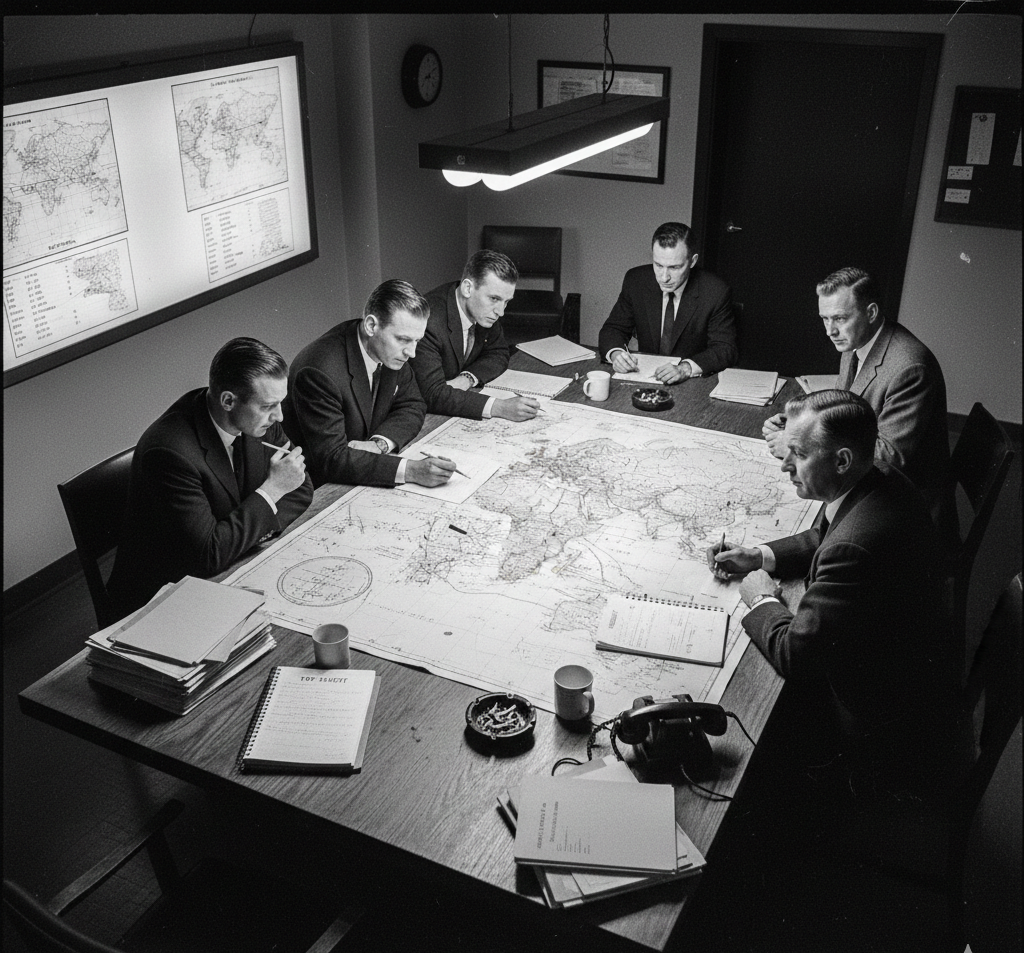
On the heels of the revelations about CIA experiments, similar stories emerged concerning U.S. Army experiments. In 1975, the Secretary of the Army instructed the Army Inspector General to investigate. Among the Inspector General's findings was a 1953 memorandum penned by then-Secretary of Defence Charles Erwin Wilson. Documents show that the CIA participated in at least two Department of Defence committees during 1952. These committee findings led to the issuance of the “Wilson Memo,” which, in accordance with the Nuremberg Code, mandated that only volunteers be used for experimental operations conducted in the U.S. armed forces. In response to the Inspector General’s investigation, the Wilson Memo was declassified in August 1975.
About drug testing within the Army, the Inspector General found that “the evidence clearly reflected that the professional investigators at the Medical Research Laboratories observed every possible medical consideration.” However, the Inspector General also found that the mandated requirements of Wilson’s 1953 memorandum had been only partially adhered to; he concluded that the “volunteers were not fully informed, as required, before their participation,” and the methods of procuring their services, in many cases, appeared not to have been in accord with the intent of Department of the Army policies governing use of volunteers in research.
Other branches of the U.S. armed forces, the Air Force, for example, were found not to have adhered to the Wilson Memo stipulations regarding voluntary drug testing.
In 1977, during a hearing held by the Senate Select Committee on Intelligence to look further into MKULTRA, Admiral Stansfield Turner, then Director of Central Intelligence, revealed that the CIA had found a set of records, consisting of about 20,000 pages, that had survived the 1973 destruction orders, due to having been stored at a records centre not usually used for such documents. These files dealt with the financing of MKULTRA projects, and as such, contained few details of those projects, but much more was learned from them than from the Inspector General’s 1963 report.
In Canada, the issue took much longer to surface, becoming widely known in 1984 on a Canadian Broadcasting Corporation news show, The Fifth Estate. It was learned that not only had the CIA funded Dr Cameron’s efforts, but perhaps even more shockingly, the Canadian government was fully aware of this and had later provided another $500,000 in funding to carry on the experiments. This revelation largely derailed efforts by the victims to sue the CIA, as their U.S. counterparts had, and the Canadian government eventually settled out of court for $100,000 to each of the 127 victims. None of Dr Cameron’s personal records of his involvement with MKULTRA survives, since his family destroyed them after his death from a heart attack while mountain climbing in 1967.
MK-Ultra in Public Memory and Misinformation
Following its public exposure in the 1970s, Project MK-Ultra entered popular consciousness through congressional hearings, investigative journalism, and later, mass media representations. However, the partial nature of surviving documentation and the destruction of records created long-term uncertainty about the program’s full scope. This absence of complete archival evidence encouraged speculation and mythologization.
Over time, MK-Ultra became ingrained in popular culture as a symbol of pervasive state control, often portrayed as a highly sophisticated system of psychological domination. Such representations obscure the program's actual scientific limitations and fragmented organisation. Many experiments lacked methodological rigour and failed to yield consistent results, yet simplified narratives emphasising technological mastery remain widespread.
The expansion of digital media has further accelerated the spread of misinformation. Online forums, social media platforms, and alternative media sources often present MK-Ultra as evidence of ongoing covert manipulation programs, despite a lack of empirical support. Selective quotations, decontextualised documents, and fabricated materials complicate public understanding, leading to the replacement of historical analysis with emotionally charged but inaccurate interpretations.
The shift from documented abuse to popular mythology demonstrates how secrecy and incomplete disclosure can distort collective memory. Maintaining an evidence-based account of MK-Ultra is essential for preserving historical accuracy and preventing the exploitation of past scandals for ideological agendas.
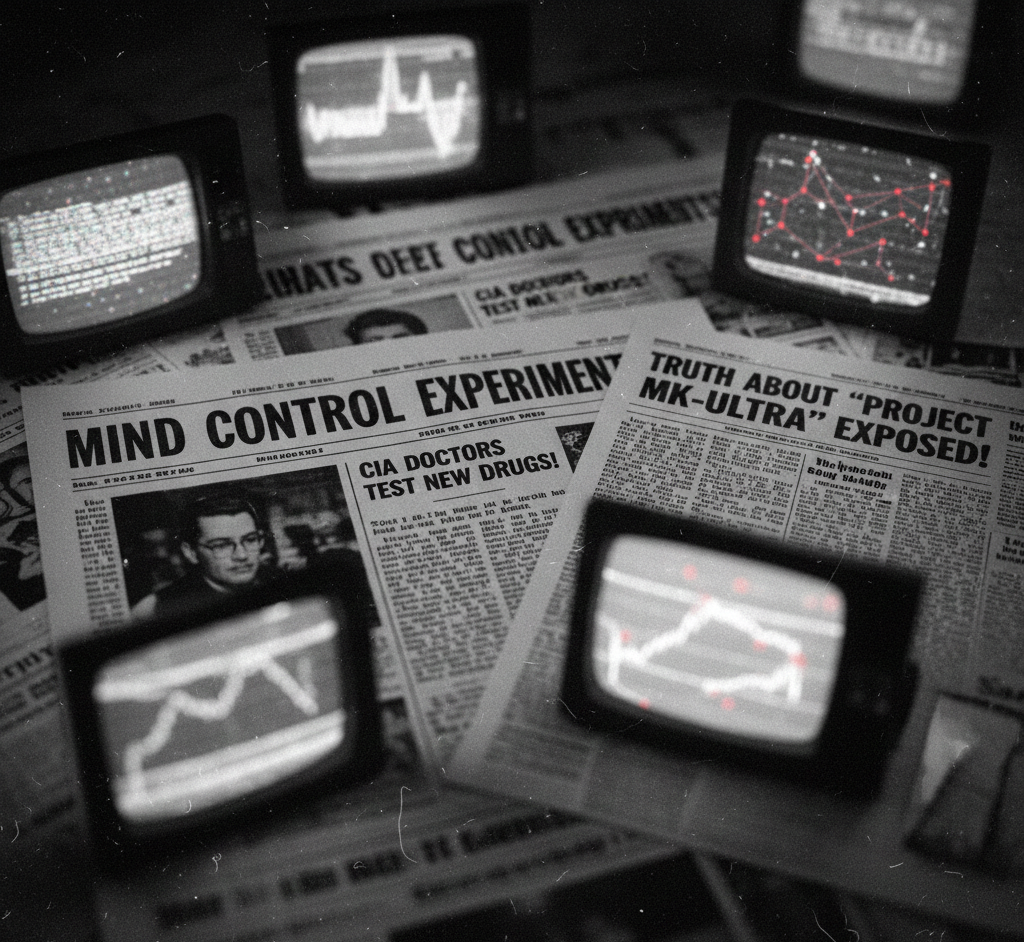
Institutional Power and Ethical Breakdown
The development and persistence of MK-Ultra revealed wider structural flaws within intelligence institutions. Operating under extreme secrecy and with minimal external supervision, the program evolved within an organisational culture that prioritised operational autonomy over ethical accountability. Decision-making authority was concentrated among a small number of senior officials, restricting opportunities for internal dissent.
Funding mechanisms and administrative compartmentalisation further insulated the program from scrutiny. Projects were often embedded within universities, hospitals, and private research institutions under indirect sponsorship, obscuring their true purpose. This arrangement diffused responsibility and enabled unethical practices to continue unchecked.
Ethical review procedures were either absent or systematically bypassed. Informed consent was frequently ignored, and experimental protocols violated established medical standards. Researchers operated within a framework that normalised ethical compromise in the name of perceived national security requirements.
Institutional incentives reinforced this behaviour. Success was measured by operational secrecy and program expansion rather than ethical compliance. Failures were concealed rather than evaluated, while abuses were treated as collateral risks. The result was a gradual erosion of professional norms and judicial safeguards.
MK-Ultra thus illustrates how bureaucratic structures, when shielded from accountability, can facilitate sustained ethical breakdown. The program did not arise from isolated misconduct, but from institutional flaws embedded within institutional governance.

Authority, Fear and Human Cost
At the core of MK-Ultra was a profound disparity of power between institutions and individuals. Subjects were often unaware of their participation, deprived of meaningful consent, and denied access to legal or medical recourse. This asymmetry enabled authorities to treat human participants as experimental instruments rather than autonomous agents.
Cold War anxieties intensified this situation. Fear of foreign psychological warfare created a climate in which extreme measures were rationalised as necessary defences. Institutional leaders framed experimentation as a strategic obligation, subordinating individual welfare to abstract security objectives.
The human consequences were severe. Many participants experienced prolonged psychological trauma, cognitive impairment, social dislocation, and persistent health complications. In some cases, experiments contributed directly to mental deterioration and premature death. Compensation and acknowledgement were limited, rendering victims marginalised within official historical accounts.
Apart from individual suffering, MK-Ultra produced broader social harm. It undermined public faith in medical institutions, academic research, and government agencies. Communities affected by the program encountered lasting scepticism toward authority and scientific expertise.
The legacy of MK-Ultra, therefore, goes beyond policy failure. It serves as a cautionary example of how fear-driven governance and unchecked authority can erode fundamental human protections. Recognising this human dimension is essential to understanding the program’s lasting significance.

References-
Journal, R. (2021, October 24). MK-Ultra: Mind-Control, LSD and the US Government. Retrospect Journal. https://retrospectjournal.com/2021/10/24/mk-ultra-mind-control-lsd-and-the-us-government/
Meier, L., & Center, C. (2025). Mind Control: Past and Future. https://www.hks.harvard.edu/sites/default/files/2025-01/24_Meier_02.pdf
Miyamoto, K. (2018). An Existence of the Still Hidden CIA Program to Manipulate the Human Brain and Organism With Remote Electromagnetic Means. SSRN Electronic Journal. https://doi.org/10.2139/ssrn.3287484
Montreal MKULTRA Experiments. (2021). Thecanadianencyclopedia.ca. https://thecanadianencyclopedia.ca/en/article/mkultra
National Security Archive. (2024, December 23). CIA Behavior Control Experiments Focus of New Scholarly Collection | National Security Archive. Gwu.edu. https://nsarchive.gwu.edu/briefing-book/dnsa-intelligence/2024-12-23/cia-behavior-control-experiments-focus-new-scholarly
Project MK-ULTRA: CIA Mind Control Experiments Cold War Origins and the Fear of Soviet Mind Control. (n.d.).
PROJECT MKIULTRA, THE CIA’S PROGRAM OF RESEARCH IN BEHAVIORAL MODIFICATION JOINT HEARING BEFORE THE SELECT COMMITTEE ON INTELLIGENCE AND THE SUBCOMMITTEE ON HEALTH AND SCIENTIFIC RESEARCH OF THE COMMITTEE ON HUMAN RESOURCES UNITED STATES SENATE NINETY-FIFTH CONGRESS FIRST SESSION Printed for the use of the Select Committee on Intelligence and Committee on Human Resources. (1977). https://www.intelligence.senate.gov/wp-content/uploads/2024/08/sites-default-files-hearings-95mkultra.pdf
Project MKULTRA, The CIA’s Program Of Research In Behavioral Modification JOINT HEARING BEFORE THE SELECT COMMITTEE ON INTELLIGENCE AND THE SUBCOMMITTEE ON HEALTH AND SCIENTIFIC RESEARCH OF THE COMMITTEE ON HUMAN RESOURCES UNITED STATES SENATE NINETY-FIFTH CONGRESS FIRST SESSION ____________ Printed for the use of the Select Committee on Intelligence and Committee on Human Resources. (1977).
The True Story of MK-Ultra and the CIA Mad Scientist. (n.d.). Jacobin.com. https://jacobin.com/2020/10/cia-brainwashing-program-mk-ultra-sidney-gottlieb
Torbay, J. (2023). The work of Donald Ewen Cameron: from psychic driving to MK Ultra. History of Psychiatry, 34(3), 320–330. https://doi.org/10.1177/0957154x231163763
Williams, C. (2020). Public psychology and the Cold War brainwashing scare. History & Philosophy of Psychology, 21(1), 21–30. https://doi.org/10.53841/bpshpp.2020.21.1.21
(2026). Cia.gov. https://www.cia.gov/readingroom/docs/CIA-RDP99-00498R000300020011-8