The Dyatlov Pass Incident: Unravelling the Cold War Mystery.
An Event That Resists Explanation
In 1959, tensions between the Soviet Union and the United States were escalating. Under Nikita Khrushchev's leadership, the Soviet Union sought to match and surpass American achievements, particularly during the Cold War. Nuclear arsenals were maintained in a state of readiness, and the risk of conflict was heightened during periods such as the Korean War.
Amid this geopolitical climate, a group of students from the Ural Polytechnic Institute in Sverdlovsk organised a challenging trek into the Sub-Polar Ural Mountains. Unexpected delays occurred during the expedition; their causes remain unclear. After several days without contact, search parties comprising police, military personnel, and volunteers were mobilised. The initial search led to the discovery of two deceased hikers, followed by three more in subsequent days, and ultimately, the remaining four bodies were found.
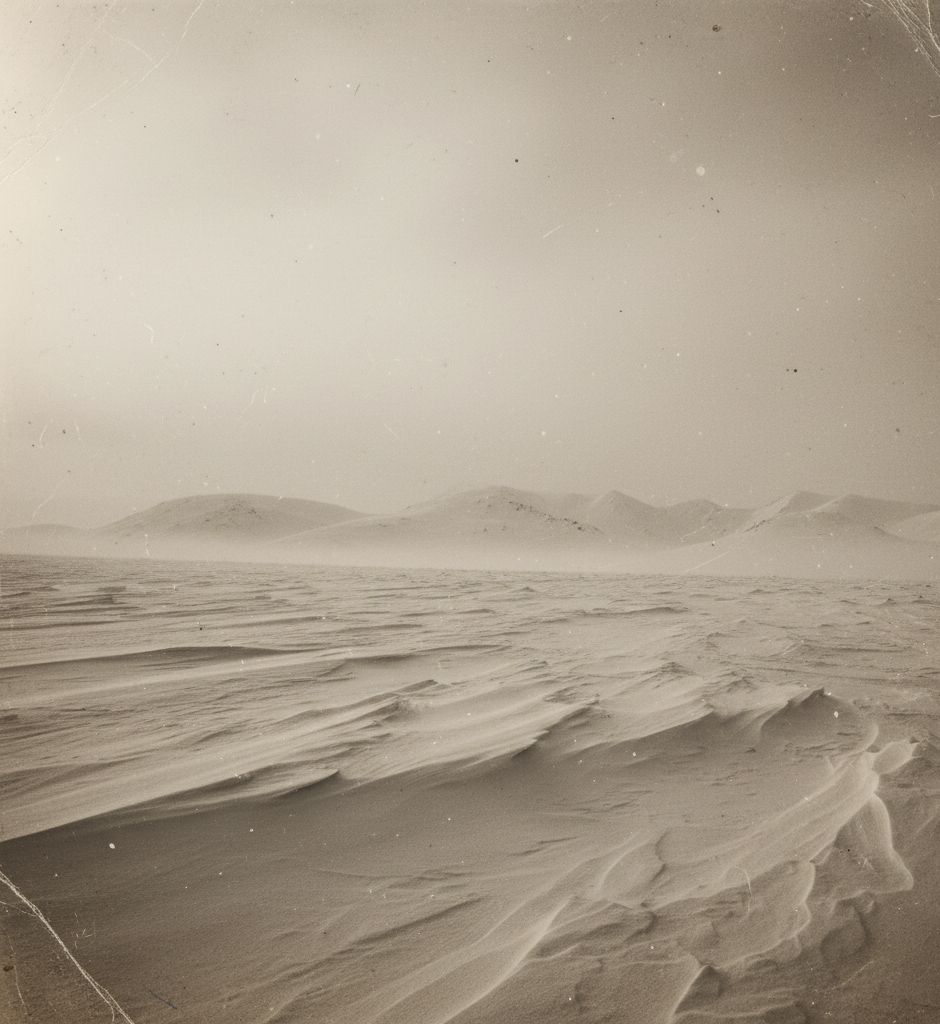
The Dyatlov Pass incident is enigmatic not merely because of unknowns, but also because the available evidence suggests multiple, mutually incompatible explanations. It is established that nine experienced hikers perished on the eastern slope of Kholat Syakhl, also known as Dead Mountain, between February 1 and 2, 1959. Their final camp was situated on an open slope, deviating from their intended route. The tent was torn from the inside, and the hikers fled into a blizzard with temperatures near minus 30 degrees Celsius, leaving most of their equipment behind.
In 2020, a Russian prosecutor concluded that six hikers died from hypothermia, a finding supported by Swiss scientific simulations in 2021. The remaining three suffered fatal injuries, likely caused by a heavy snow slab. Despite these conclusions, unresolved anomalies persist, including elevated radiation levels on some clothing and the absence of body parts, such as a tongue and eyes, in one victim.
The Expedition: People, Preparation, and Context
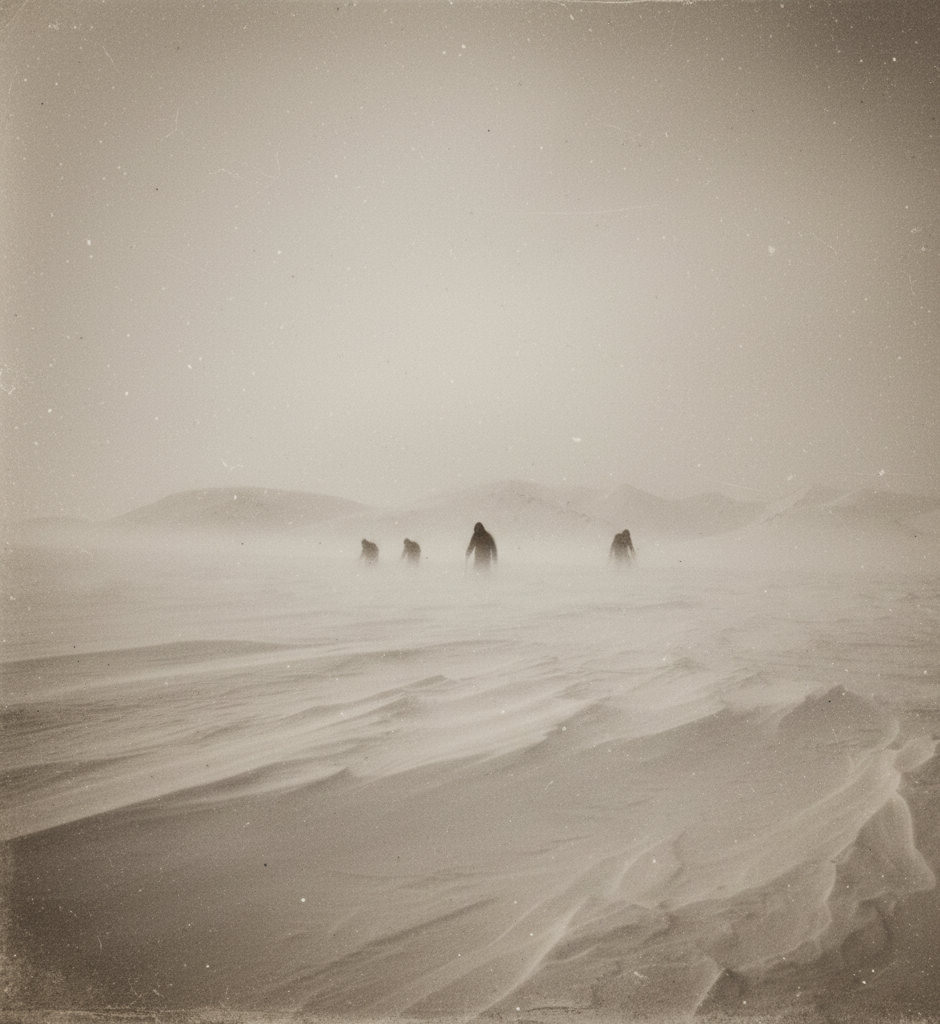
Nine experienced hikers from the Ural Polytechnic Institute—comprising four students, three recent graduates, and two engineers—embarked on a ski expedition to Mount Otorten. The group was led by Igor Dyatlov, an avid hiker and ski tourism enthusiast. Other members included Zinaida Kolmogorova, a radio engineering student; Nicolai Thibeaux-Brignolles; Rustem Slobodin; Yuri Krivonischenko; Yury Doroshenko; Aleksandr Kolevatov; and Lyudmila Dubinina. The group set out for Mount Otorten between February 1 and 2, 1959, but did not return.
The group was equipped with a large specialised canvas tent, wood for a heating stove, and food supplies. Their gear included ski boots, additional footwear, skis, poles, and navigational instruments. Cameras and personal journals were also recovered. Although all members wore heavy coats and boots, the coats and boots were left behind in the tent, and the hikers were found undressed in the snow. The orderly state of the equipment in the tent suggests that the shelter was abandoned suddenly.
Mount Otorten is located approximately 150 kilometres north of the nearest town, Ivdel. About 10 kilometres south of Mount Otorten lies the Dyatlov Pass, later named after the group’s leader. The hikers initially planned to reach Mount Otorten directly, but severe weather conditions forced them to alter their route. They diverted to the treeless slope of Kholat Syakhl, also known as Dead Mountain. Weather conditions included low visibility, heavy snowfall, and hurricane-strength winds. The group chose to set up their tent on the slope rather than in the forest, which was only 1.5 kilometres below.
The Discovery: What Was Found on Kholat Syakhl
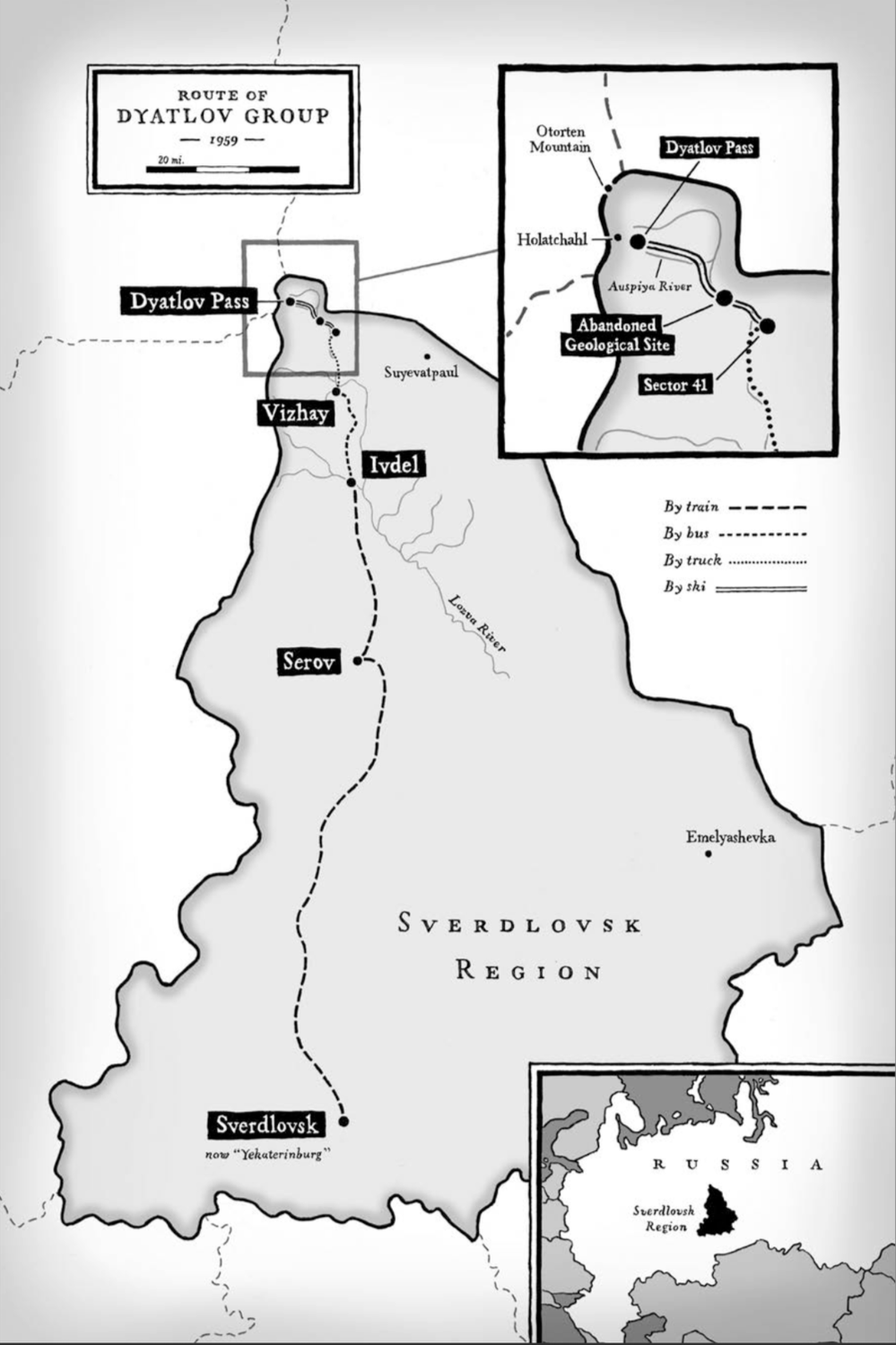
On February 20, a search party was organised and dispatched from Sverdlovsk, following an order from the Ivdel prosecutor’s office to initiate a criminal investigation into the hikers' disappearance. Initial efforts to locate the group were unsuccessful, as the hikers had deviated from their planned route. Assistance was sought from the Mansi people, the indigenous inhabitants of the northern Urals who possess extensive knowledge of the Dyatlov Pass region. By February 23, investigators had met with members of the Mansi tribe, who joined the search effort. Their expertise proved essential in navigating the terrain. Over the following days, approximately 30 searchers located evidence of a campsite 88.5 kilometres from the Mansi village of Suyevatpaul.
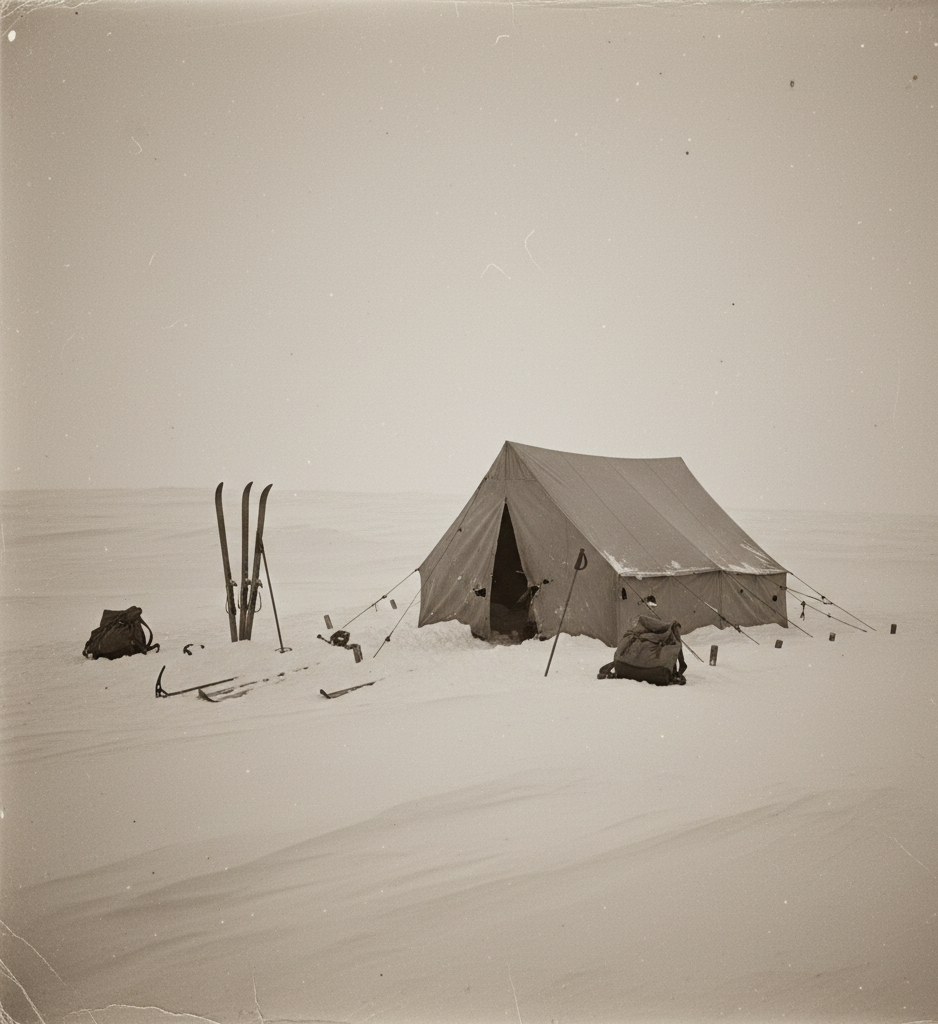
On February 25, an aeroplane pilot reportedly spotted the tent, enabling searchers to begin following a trail that would yield significant evidence. Upon discovery, most of the ski poles and skis remained upright. The rear of the tent had collapsed, with snow debris present on the canvas, while the entrance remained intact. There were no indications that an avalanche, ice plate, or storm had struck the tent. Minimal snow was found inside, despite multiple vertical cuts, which were determined to have been made from the inside with a knife. At the campsite, a functioning flashlight was found beneath a thin layer of snow, an ice axe at the entrance, and a pair of skis protruding from the snow.
The first two bodies, those of Krivonishchenko and Doroshenko, were discovered on February 27, 1959, approximately 1.5 kilometres from the tent beneath a large Siberian cedar tree. They were found near traces of a small fire, without shoes and dressed in light clothing. The second group, consisting of Dyatlov, Kolmogorova, and Slobodin, was found between the tent and the cedar tree on February 27 and March 5. Their postures suggested attempts to return to the tent. Dyatlov was found face up with clenched hands, while Kolmogorova wore multiple layers but no shoes. The final four bodies—Dubinina, Kolevatov, Zolotaryov, and Thibeaux-Brignolles—were discovered on May 4, 1959, in a four-meter-deep ravine further into the woods, about 75 meters from the cedar tree and 100 meters from the first two bodies. They were located near a stream. While hypothermia was the primary cause of death for all, three individuals sustained significant injuries, including fractured skulls, severe chest fractures, and soft tissue damage. Some victims were missing eyes, and one was missing a tongue. Notably, these internal injuries were not accompanied by external bruising or skin damage.
The Soviet Investigation and Its Limitations-
By May 1959, the case was formally closed. The official conclusion attributed the deaths to 'a compelling natural force which the hikers were unable to overcome.' This vague statement did not specify a mechanism, leaving considerable room for interpretation. No avalanche or other environmental phenomenon was identified. Consequently, the case was closed without charges, suspects, or further investigation.
The limitations of the Soviet investigation must be understood within its historical and institutional context. Forensic science in the late 1950s Soviet Union lacked many analytical tools available today, particularly in trauma reconstruction, environmental modelling, and psychological response analysis. Furthermore, the investigation prioritised administrative closure over a comprehensive explanation.
Political considerations also influenced the scope of the inquiry, though not necessarily in a conspiratorial sense, as has sometimes been implied. During this period, state institutions were expected to maintain order and demonstrate competence, making prolonged uncertainty regarding unexplained deaths institutionally undesirable. As a result, the investigation favoured conclusions that avoided assigning fault and discouraged further speculation.

Injuries, Exposure, and Forensic Irregularities-
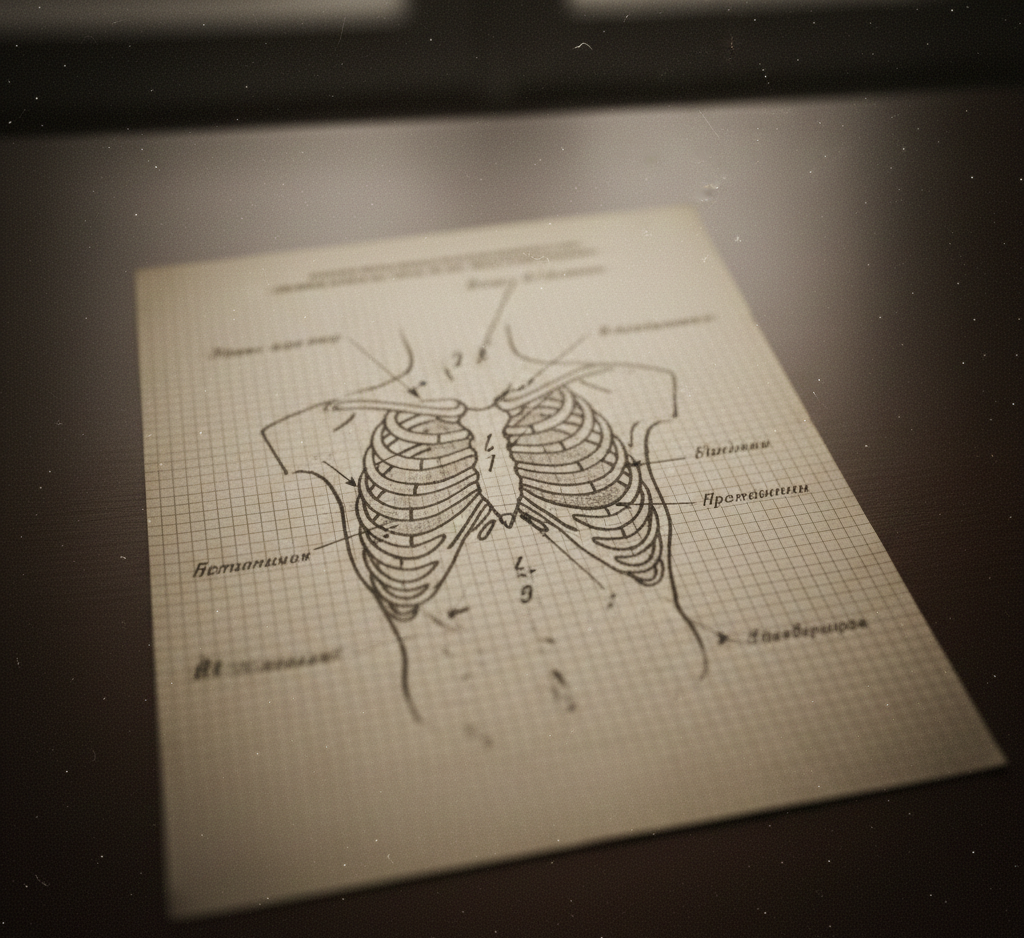
The forensic examination of the Dyatlov expedition members was conducted between February and May 1959 by Soviet medical examiners, with autopsies carried out as bodies were recovered. The findings, while partially consistent with exposure-related deaths, introduced several irregularities that resisted simple explanation and continue to complicate retrospective analysis.
Several of the victims were determined to have died from hypothermia, a conclusion supported by environmental conditions, the state of undress observed in some bodies, and the absence of lethal external injuries. Hypothermia-related behaviour, including diminished judgment and paradoxical undressing, is well documented in medical literature and presents a plausible explanation for specific actions taken by the group after leaving the tent. In this respect, the forensic conclusions correspond to known organic responses to extreme cold.
However, other findings departed from what would typically be expected in cases of exposure alone. Three members of the expedition were found with severe internal injuries, including fractured ribs and significant skull trauma. Notably, these injuries were described by examiners as comparable in force to those sustained in high-impact events, yet were accompanied by minimal or no external soft-tissue damage. The absence of corresponding surface wounds impeded efforts to determine the precise mechanism of injury and left open questions about how such trauma could have occurred in the stated environment.
Medical examiners did not find signs of a physical struggle, defensive wounds, or injuries consistent with assault. This effectively ruled out interpersonal violence within the group and reduced the likelihood of external human attack. Additionally, no injuries characteristic of animal predation were recorded. The distribution and nature of the trauma suggested exposure to a sudden, forceful impact rather than prolonged physical confrontation.
The condition of the bodies further reflected varying timelines of death and exposure. Those recovered earlier showed fewer signs of post-mortem degradation, while bodies discovered later beneath snow exhibited evidence of prolonged environmental contact, including tissue damage consistent with freeze–thaw cycles. Some soft-tissue loss, often cited in popular accounts, is more plausibly attributed to post-mortem processes rather than to violence at the time of death.
Radiological findings added a further layer of complexity. Elevated radiation levels were reported on the clothing of two expedition members. While later interpretations have ranged widely, the earliest investigation did not treat these outcomes as causally significant. Background occupational exposure, environmental contamination, and measurement shortcomings of the period remain plausible explanations. Importantly, no radiological injuries were documented in the bodies themselves.
Taken as a whole, the medical and forensic evidence does not point toward a single, coherent cause of death applicable to all nine individuals. Instead, it suggests a sequence of events in which exposure, environmental forces, and physiological stress interact in uneven and unpredictable ways. The variability of injuries and conditions across the group resists simplification and stresses the difficulty of reconstructing a unified narrative from fragmented evidence.
The limitations of mid-twentieth-century forensic methodology additionally limit interpretation. Without modern imaging, biomechanical modelling, or exact environmental reconstruction, medical examiners were forced to rely on observational judgment rather than causal certainty. Their conclusions, while professionally defensible within the standards of the time, leave substantial interpretive space for later analysis.
In this sense, the forensic record functions less as a definitive explanation and more as a boundary: it defines what did not happen more clearly than what did. The absence of evidence for interpersonal violence or criminal action narrows the range of plausible scenarios, even as the precise sequence of events remains unresolved.
Competing Explanations- What Each Theory Explains — and What It Cannot
In the decades following the Dyatlov Pass incident, numerous explanations have been proposed to account for the group’s actions, injuries, and deaths. At the same time, some theories are based on speculation or sensationalism, while a smaller subset seeks to integrate available forensic, environmental, and contextual evidence. Each explanation addresses specific aspects of the incident but fails to account for all variables, leaving no universally accepted theory.
Environmental and Meteorological Forces
One of the most widely cited explanations centres on severe environmental conditions. Sudden katabatic winds, characterised by powerful downhill airflows, have been proposed as a trigger that may have rendered the campsite untenable. Such winds can produce intense noise, disorientation, and rapid temperature drops, possibly prompting the group to abandon their tent in haste.
This explanation corresponds to the absence of external threats, the lack of struggle within the tent, and the decision to cut an exit rather than use the tent’s entrance. It also fits the broader context of hypothermia-related deaths. However, meteorological data for that period is limited, and katabatic winds are not conclusively documented at that location at that time. Moreover, this theory does not fully explain the severe internal injuries observed in some members.
Snow Slab or Partial Avalanche
A connected but separate hypothesis indicates that a localised snow slab release, rather than a whole avalanche, struck or threatened the tent. Such events can exert substantial force without leaving the large debris field usually associated with avalanches. The perception of imminent danger may have driven the group to evacuate quickly and move downslope.
This theory proposes a plausible mechanism for both the rapid exit from the tent and some of the blunt-force injuries described in the autopsy reports. A compacted snow mass could generate significant internal trauma while producing limited external wounds. However, critics note the lack of clear avalanche indicators at the site and question whether the slope angle was sufficient to produce such a release. The delayed discovery of some bodies also impedes efforts to directly link injuries to a single snow-related event.
Physical and Mental Stress
Extreme cold, exhaustion, caloric deficit, and high-altitude conditions may have collectively hindered the group's judgment and coordination. Under such stress, decision-making deteriorates, risk assessment becomes distorted, and survival plans can fail.
This theory helps explain why experienced hikers might engage in actions that seem irrational in retrospect, such as leaving essential equipment behind or splitting into smaller groups. It also supports the finding that several deaths resulted from hypothermia rather than trauma. Nonetheless, psychological impairment alone cannot account for the magnitude of injuries sustained by specific individuals, nor does it explain why the group fractured in the particular ways observed.
Military or Industrial Activity
Speculation about secret military tests, including missile launches or explosive experiments, has mainly persisted due to the geopolitical context of the late 1950s and reports of unusual lights in the sky around the time of the incident. Proponents argue that shockwaves or concussive forces from testing could explain internal injuries without external wounds.
While such activity was not unheard of in the broader region, no archival evidence has conclusively linked military operations to the Dyatlov Pass area during the relevant period. The official investigation found no signs of explosive residue or blast-related damage, and later document releases have not substantiated these claims. As a result, this explanation remains speculative primarily.
Infrasound and Acoustic Effects
A more recent hypothesis involves infrasound generated by wind interacting with mountainous terrain. Low-frequency sound waves, though inaudible, have been shown in some studies to induce anxiety, nausea, and panic in humans. It has been suggested that prolonged exposure could have triggered a collective psychological response, leading the group to flee the tent.
This theory is notable for attempting to bridge environmental conditions with human behaviour. However, empirical evidence linking infrasound to such extreme reactions remains limited, and the hypothesis does not adequately explain the physical injuries observed in some victims.
Supernatural and External Agency Claims
Explanations involving non-human entities, unidentified aerial phenomena, or other paranormal forces are popular in non-academic discourse yet lack evidentiary support. These narratives frequently rely on biased interpretations of irregularities while disregarding forensic findings and documented natural factors. As such, they fall outside the bounds of serious historical or scientific analysis.
Assessment
Each explanation addresses specific components of the Dyatlov Pass incident while leaving others unresolved. Environmental forces account for the group’s flight from the tent, physiological stress explains impaired decision-making, and snow-related impacts offer a partial mechanism for trauma. Yet no theory fully integrates all known evidence into a single, coherent sequence of events.
The persistence of competing explanations reflects not only the incident's unusual nature but also the limitations of the surviving data. Rather than pointing toward a hidden or extraordinary cause, the evidence suggests a convergence of natural forces, human vulnerability, and situational miscalculation under severe conditions.
Why the Dyatlov Incident Defies Closure

Despite multiple investigations, forensic reviews, and modern re-examinations, the Dyatlov Pass incident remains unresolved mainly due to evidentiary limits rather than mystery. Critical data was lost to time: weather conditions were not precisely recorded, the scene was disturbed by rescue and environmental processes, and the era's autopsy methods lacked the precision available today.
More importantly, the incident sits at the intersection of natural forces and human behaviour under extreme stress. Such situations rarely produce clean causal chains. The hikers’ final actions probably resulted from a rapid cascade of events—environmental threat, physiological impairment, and fragmented decision-making—rather than a single, identifiable cause.
Modern explanations, including snow slab forces and hypothermia-induced cognitive failure, provide plausible frameworks yet remain probabilistic rather than definitive. The nonexistence of direct witnesses or unambiguous physical markers ensures that the case resists absolute closure.
Conclusion: Uncertainty, Nature, and the Limits of Human Explanation
The enduring fascination with the Dyatlov Pass incident reflects broader aspects of human psychology as much as the event itself. When confronted with uncertainty, individuals often gravitate toward narratives that attribute intention, conspiracy, or supernatural agency, even when available evidence suggests randomness or systemic failure.
History consistently shows that fear, superstition, and the discomfort of ambiguity can distort interpretation—notably in instances involving death, isolation, and incomplete information. When rational explanations feel unsatisfying, the mind seeks meaning elsewhere, sometimes at the cost of accuracy.
The Dyatlov Pass incident demonstrates that not all tragedies involve hidden perpetrators or elaborate schemes. Some result from ordinary individuals facing extraordinary conditions, where minor misjudgments, environmental volatility, and chance combine to lead to fatal outcomes. Acknowledging this perspective is pragmatic and underscores the importance of humility when confronting the unknown.
References-
Rakitin, A. The Dyatlov Pass Incident: Reconstruction of the Tragedy. Moscow: Eksmo, 2013.
McCloskey, K. “The Dyatlov Pass Incident Revisited.” Journal of Slavic Military Studies, vol. 27, no. 4, 2014, pp. 611–629.
Eichar, D. Dead Mountain: The Untold True Story of the Dyatlov Pass Incident. Chronicle Books, 2013.
Ivanov, L. “The Circumstances Surrounding the Deaths of Tourists in the Northern Urals.” Soviet Prosecutor’s Report, 1959 (declassified materials).
Plekhanov, A., et al. “Forensic Analysis of Cold-Weather Trauma in Historical Expedition Deaths.” International Journal of Forensic Medicine, vol. 45, no. 2, 2008.
Tumerman, B. “Eyewitness Accounts and Search Operations During the Dyatlov Pass Incident.” Ural Historical Review, no. 1, 1999.
Kelly, J. Cold Cases in Extreme Environments. Routledge, 2016.
Russian State Archive of Sverdlovsk Oblast (GASO), Case File No. 659: Dyatlov Group Investigation Documents.
Donnie Eichar interview archives and expedition notes, 2012–2014.
National Geographic Society. “Avalanche Dynamics and Human Disorientation in Alpine Environments.” Research Brief, 2015.