The Villisca Axe Murders: Violence, Suspicion, and the Failure of Certainty.
Villisca is a town situated in southwestern Iowa. On a quiet residential street, the Moore family lived: Josiah, Sarah, and their children, Herman, Mary Katherine, Arthur, and Paul. The Moores were regarded as a respected and affluent family within the community. Josiah was a prominent businessman who managed a local John Deere dealership and actively participated in civic affairs. Sarah was recognised for her devotion to her children and her religious commitment.
On June 9, 1912, the Moore family was murdered in their home, along with two young guests, Ina and Lina Stillinger. All victims were killed in their beds, and an axe was discovered at the scene. Investigations revealed that the victims had been bludgeoned to death with the weapon. Despite a widespread investigation following the discovery of the bodies on June 10, authorities failed to identify any credible suspects. This event marked the beginning of one of the most enigmatic murder cases in American history, known as the Villisca Axe Murders.
Villisca, 1912: The Setting
In the early twentieth century, Villisca, Iowa, was a small yet stable agricultural community shaped by routine, religious observance, and strong social connections. With just over two thousand residents in 1912, Villisca exemplified the values and rhythms of rural Midwestern life. Most households relied on farming, rail commerce, or small local businesses for their livelihoods. Community life is centred on churches, schools, and seasonal events. Privacy was minimal, and individual reputations were widely recognised.
Although the town was situated along a major railway line that provided access to larger commercial centres, this connectivity did not diminish its insular nature. Villisca remained socially conservative and culturally uniform. Deviations from accepted norms were quickly observed. The community placed high value on conformity, respectability, and public morality, and personal disputes seldom escaped collective scrutiny.
The social structure of Villisca relied significantly on mutual trust. Residents often left their doors unlocked, and children moved freely between households. Serious crime was uncommon, and minor disputes were usually settled through informal mediation. Law enforcement was limited in both personnel and professional specialisation. The prospect of a carefully planned mass murder occurring within the town was nearly unimaginable. The Moore family residence was a typical, modest home of the period, lacking indoor plumbing and electricity. Nevertheless, the Moore family was highly respected for their business success and strong family bonds.
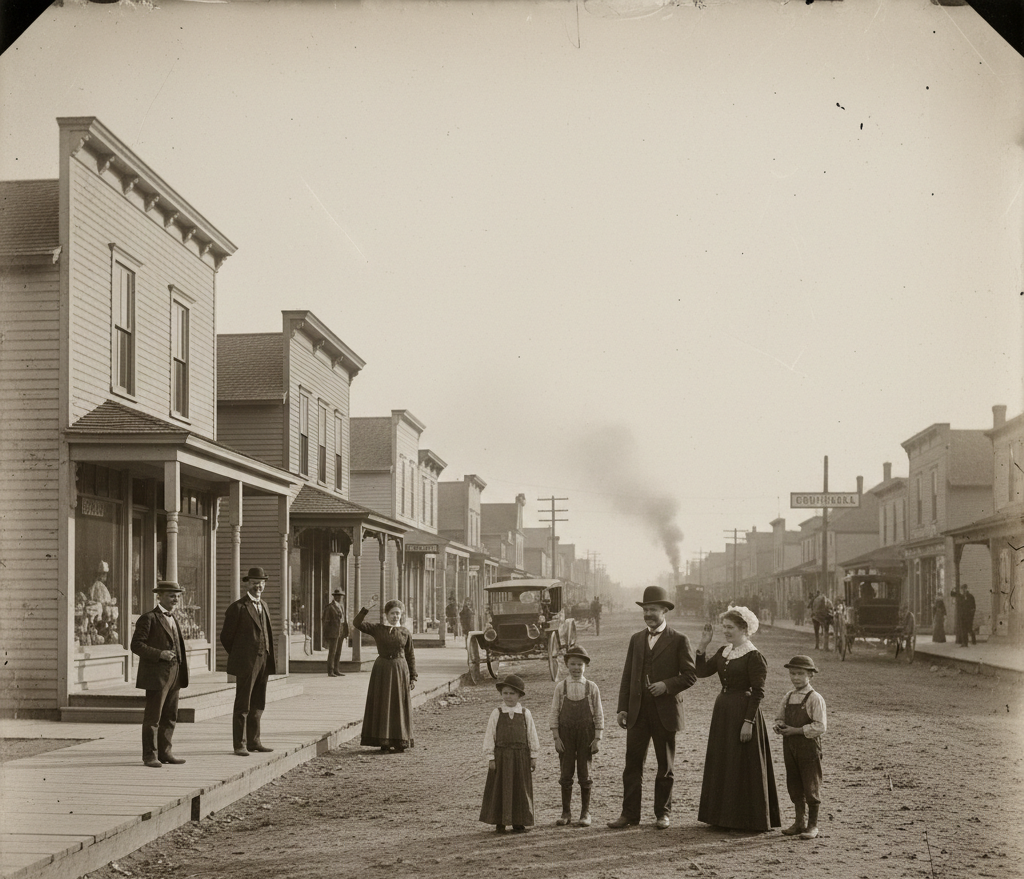
The murders that occurred in June 1912 shattered not only individual lives but also the town’s moral framework. This crime violated deeply held beliefs regarding safety, trust, and social order. Villisca was forced to confront the unsettling reality that violence was not confined to distant locations or unknown individuals; it could originate from within the community itself.
Events of June 9-10, 1912
On June 9, 1912, Mary Moore invited the Stillinger sisters, Ina (aged 8) and Lenae (aged 12), to spend the night at the Moore residence. That evening, both families attended the Presbyterian church and participated in the Children’s Day Program, which Sarah Moore coordinated. After the program ended at 9:30 p.m., the Moores and the Stillinger sisters walked home, arriving between 9:45 and 10 p.m.
The next morning, Mary Peckham, the Moores’ neighbour, became concerned when the Moore family did not appear for their usual morning chores. Peckham knocked on the door but received no answer. She attempted to open the door and found it locked. After letting out the Moores’ chickens, Peckham contacted Ross Moore, Josiah Moore's brother. Ross also received no response when he knocked, but used his house key to gain entry. Upon entering, they discovered the bodies of the victims.
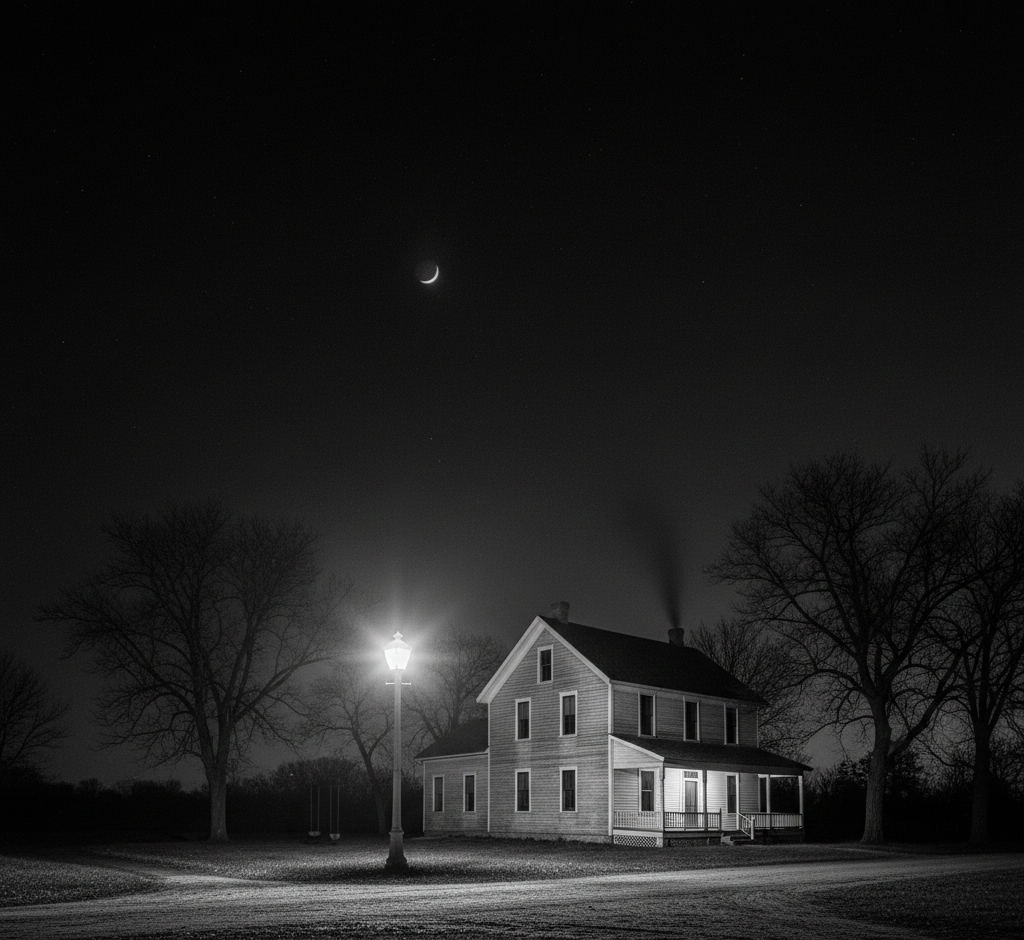
After they made the discovery, they called Hank Horton, the primary peace officer of Villisca, who was summoned and arrived promptly. Medical examiners concluded that the murders occurred between midnight and 5 a.m. The perpetrator began in the main bedroom, where Josiah and Sarah Moore were sleeping. Josiah received more blows from the axe than any other victim, resulting in severe facial injuries. The assailant then entered the children’s rooms and bludgeoned Herman, Mary, Arthur, and Paul like their parents. Subsequently, the killer moved downstairs to the guest bedroom and killed Ina and Lena. Notably, the victims were killed with the blunt side of the axe, except Josiah, who was struck with the blade. Investigators believed all victims were killed while asleep, except Lena, who appeared to have fought back, as indicated by her position on the bed and a defensive wound on her arm. The scene quickly descended into disorder. Neighbours, townspeople, and curious onlookers gathered outside the Moore residence in growing numbers. Before the area could be secured, individuals could enter and exit the home freely. Some walked through the rooms, others handled objects, and several reportedly moved items within the house. In an era before standardised crime-scene protocols, the concept of preserving evidence was poorly understood. As a result, the scene's integrity was compromised almost immediately.
Investigators observed that mirrors throughout the house were covered with clothing, and windows were draped. A kerosene lamp with its chimney removed was found at the foot of Josiah and Sarah’s bed, suggesting it may have been used for illumination. The axe, which belonged to the Moore household, was discovered in the downstairs guest room, wiped but still bearing traces of blood. Additionally, a slab of bacon and a bowl of bloody water were found in the kitchen, indicating the perpetrator may have remained in the house for some time after the murders.
These unsettling details deepened the mystery. The brutality of the crime was compounded by the eerie suggestion that the killer had moved calmly through the home, unhurried and deliberate, before vanishing without a trace. These unsettling details intensified the mystery surrounding the case. The brutality of the crime was further compounded by evidence suggesting the perpetrator moved calmly and deliberately through the home before disappearing without leaving a clear trail.
The Investigation: Chaos and Public Pressure
From the outset, the Villisca investigation unfolded amid confusion, speculation, and intense public scrutiny. Limited institutional capacity, combined with significant community pressure, undermined efforts to establish objective findings. Instead of a controlled inquiry, the case quickly became a public spectacle.
Local law enforcement was unprepared for a crime of this scale. The primary peace officer and a small group of deputies lacked formal training in homicide investigation. No specialised units, forensic laboratories, or standardised procedures were available to guide their actions. Decision-making was improvised and reactive. Officers managed crowd control, evidence collection, and public communication simultaneously, often with minimal coordination.
The involvement of state investigators introduced further complications rather than providing clarity. Jurisdictional tensions arose as local officials sought to maintain authority while state agents pursued separate investigations. Cooperation was inconsistent, and responsibilities remained poorly defined. This fragmentation delayed progress and led to redundant efforts and missed opportunities.
Meanwhile, public concern intensified rapidly—newspapers across the region. Public concern escalated rapidly. Regional newspapers reported the murders in sensational terms, emphasising their brutality and mystery. Headlines speculated about suspects, motives, and conspiracies, frequently without substantiated evidence. Such reporting shaped public opinion and increased pressure on authorities to deliver swift results. The demand for resolution became as influential as the pursuit of accuracy. Illisca searched for explanations that would restore moral order. Suspicion spread quickly. Neighbours, acquaintances, and outsiders alike were examined. Ordinary behaviours were retroactively interpreted as signs of guilt. In this environment, rumours acquired the authority of fact, and private grievances were transformed into accusations.
This climate proved especially damaging through interrogations. Suspects were questioned aggressively and repeatedly, sometimes without legal counsel. Psychological pressure, leading questions, and prolonged isolation were common tactics. Rather than clarifying events, these methods often produced inconsistent statements and unreliable confessions. Investigators, eager for breakthroughs, sometimes interpreted ambiguity as evidence.
Political considerations further complicated the investigation. Local officials faced criticism from both constituents and regional authorities—failure to resolve the case jeopardised careers and reputations. Consequently, investigative priorities were sometimes shaped by public relations concerns rather than evidentiary merit. High-profile suspects were pursued despite weak supporting evidence, while less prominent leads were often neglected.
Over time, the investigation became fragmented by competing theories and shifting priorities. Each new suspect temporarily revived public interest, only to be dismissed under scrutiny. The lack of conclusive findings intensified public frustration and reinforced distrust in official explanations.
Ultimately, the Villisca investigation was compromised not only by technical limitations but also by social conditions. Fear, rumour, media pressure, and institutional insecurity fostered an environment hostile to careful analysis. Instead of systematic inquiry, the case became a prolonged struggle between uncertainty and public demand for certainty, a challenge that authorities were unprepared to address.
Crime Scene and Forensic Limitations
The Villisca Axe Murders illustrate how significant crime scene contamination and the limited capabilities of early twentieth-century forensic science compromised the investigation. Inadequate security, analysis, and interpretation of physical evidence at the scene allowed the perpetrator to evade detection. Very little of the bodies, more than one hundred townspeople entered the house, compromising potential evidence by trampling through the scene. Some individuals removed items as souvenirs, further depleting critical evidence—the absence of security measures permitted unrestricted public access before professional investigators arrived. Even after authorities assumed control, the scene was not managed in accordance with contemporary forensic standards, resulting in further disturbance of evidence.
Investigators at the time lacked access to DNA profiling, fingerprint analysis, or advanced bloodstain pattern analysis, all of which could have helped identify the perpetrator. While fingerprinting technology existed, it was seldom used in rural areas, and extensive scene contamination prevented the recovery of usable prints.
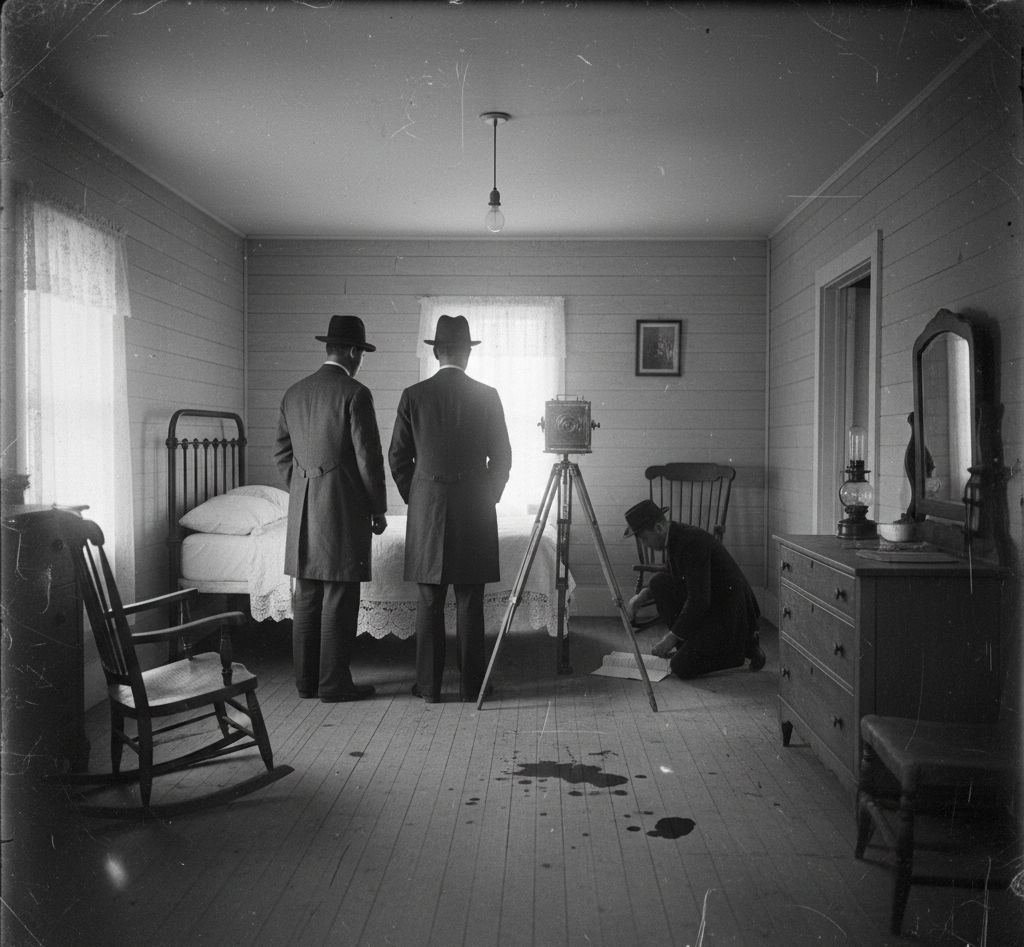
Investigators hypothesised that the murderer was left-handed based on the characteristics of the crime; however, without modern forensic tools, this assessment remained speculative. The absence of detailed crime scene photography and systematically structured sketches further limited opportunities for future case review and re-examination.
Additional critical evidence was lost. The murder weapon, an axe owned by Josiah, was recovered at the scene, but improper handling and cleaning eliminated any potential fingerprints. The perpetrator covered mirrors, concealed the victims’ faces with bedclothes, and cleaned the weapon. However, the lack of forensic analysis prevented these actions from being effectively linked to a specific suspect.
The absence of standardised investigative procedures further contributed to these failures. Rural law enforcement agencies operated with limited training, minimal resources, and little coordination. Officers were often elected officials or part-time personnel lacking formal training in criminal investigation. Consequently, the Villisca case was treated more as a public disturbance than as a forensic inquiry requiring controlled preservation and systematic documentation.
Witness interviews were conducted informally, often in public settings, and were rarely documented in detail. Testimonies were influenced by rumour, personal bias, and community pressure. Contradictions were left unresolved, and leads were pursued selectively rather than through comprehensive analysis. This environment encouraged speculation instead of evidence-based investigation. The absence of centralised criminal databases made it nearly impossible to track transient suspects or connect the Villisca murders to similar crimes in other locations. Law enforcement agencies operated in isolation, with minimal information sharing across jurisdictions. If the perpetrator committed offences elsewhere, there was no reliable mechanism for identifying such patterns.
These institutional limitations converted initial investigative errors into enduring barriers. The destruction of physical evidence and distortion of witness testimony fundamentally restricted later attempts to reconstruct the crime. The failure to preserve the scene not only impeded the original investigation but also ensured that future inquiries would be based on incomplete and fragmented records. Consequently, the true events at the Moore residence remain obscured by the era's investigative deficiencies.
Reverend George Kelly: Principal Suspect in the Villisca Murders
Kelly, a travelling minister, was present in Villisca on the night of the murders. Contemporary accounts described him as eccentric, and he reportedly experienced a mental health crisis during adolescence. As an adult, he was accused of voyeurism and of soliciting young women and girls to pose nude. On June 8, 1912, he arrived in Villisca to participate in the Children’s Day services, which the Moore family attended on June 9. He left the town early that afternoon, several hours before the bodies were discovered.
In the ensuing weeks, he showed fascination with the case and wrote many letters to the police, investigators, and the deceased's family. His aroused suspicion, and a private investigator wrote back to Reverend Kelly, asking for details that the minister might know about the murders. Kelly replied in detail, claiming to have heard sounds and possibly witnessed the murders. His known mental illness made authorities question whether he knew the facts because of having committed the murders, or was imagining his account.
Kelly continued to draw the authorities' attention due to the incoherent nature of his correspondence. Additional reports indicated that he discussed the murders with others on a train on Monday morning before the crimes were discovered. He had previously been convicted of sending obscene material through the mail and had been institutionalised for mental health treatment. In his confession, Kelly claimed to have acted on a divine command; however, he later told his wife that the confession was fabricated and admitted that he had signed it without understanding his motives. Ultimately, he recanted his confession.
In 1914, two years after the murders, Kelly was arrested for mailing obscene material and was subsequently committed to St. Elizabeth’s Hospital in Washington, D.C. This development led investigators to renew their suspicions regarding his involvement in the Moore family murders. In 1917, Kelly was formally arrested for the Villisca murders. Although police obtained a confession after extended interrogation, Kelly later recanted. He was acquitted after two separate trials.
Despite considerable attention, the case against Kelly was based primarily on circumstantial suspicion and psychological profiling rather than substantive evidence. No physical evidence linked him to the Moore residence on the night of the murders. There were no eyewitnesses, forensic connections, or a verified timeline confirming his presence in Villisca during the relevant period. His alleged confessions were inconsistent and contradictory, and were obtained after prolonged interrogation.
Legal experts later observed that Kelly’s mental health history rendered him especially susceptible to suggestion and coercion. His inclination toward fantasy, religious obsession, and self-incrimination complicated efforts to evaluate the reliability of his statements. Instead of resolving the case, his confessions increased uncertainty.
The failure to convict Kelly underscored broader deficiencies in the investigation. Authorities relied primarily on psychological impressions and public sentiment rather than verifiable evidence. As a result, Kelly became less a definitive suspect and more a symbol of investigative desperation. His case illustrates that, in the absence of reliable forensic support, suspicion often falls on individuals perceived as socially marginal or psychologically unstable.
Alternative Suspects and the Diffusion of Suspicion
Beyond Reverend George Kelly, investigators and the public identified numerous alternative suspects over the years. None of these individuals was supported by conclusive evidence. The emergence of multiple competing theories ultimately fragmented the investigation and reduced institutional focus.
An early and persistent theory implicated Frank Jones, a former business partner of Josiah Moore. Jones had previously worked at Moore’s farm implement store before establishing a competing business. Rumours circulated that the two men had quarrelled over financial and personal matters. Some residents speculated that Jones may have sought revenge by hiring an intermediary to commit the crime. Despite repeated investigations, no credible evidence linked Jones to the murders. He maintained a consistent alibi and was never formally charged.
Another widely discussed hypothesis focused on transient labourers and travelling criminals. During this period, railways facilitated significant population movement, and transient workers frequently passed through rural towns. Investigators noted similarities between these murders and other unsolved axe attacks reported in the Midwest and South, raising the possibility of a serial offender operating across multiple jurisdictions.
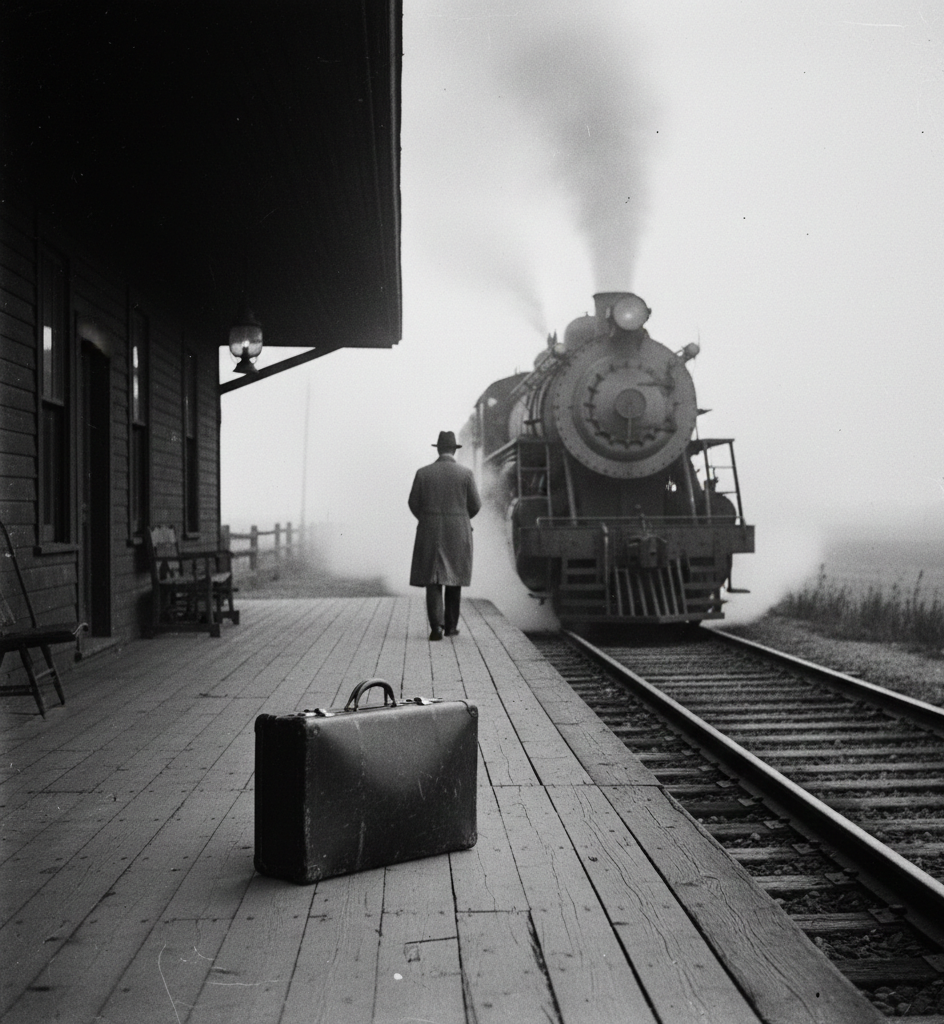
However, the absence of centralised criminal records and limited inter-agency coordination hindered systematic investigation of this theory. Identified among people and acquaintances of the Moore family. Personal disputes, rumours of financial conflicts, and social tensions were periodically cited as possible motives. These individuals were questioned, sometimes publicly scrutinised, and later dismissed. In many cases, suspicion rested more on social perception than on material evidence.
Over time, the accumulation of unsubstantiated theories created an environment in which no single narrative could be sustained. Each new suspect temporarily attracted investigative attention before being dismissed under scrutiny. Instead of converging toward resolution, the case expanded into an increasingly complex network of speculation. The fusion of suspicion undermined institutional coherence. Resources were divided, investigative priorities shifted frequently, and long-term strategies were abandoned in favour of short-term pursuits. Without decisive evidence, the investigation became reactive rather than systematic.
Why the Case Remains Unsolved
More than a century after the murders, the Villisca case remains unresolved primarily because of irreversible structural and institutional failures that occurred during its earliest stages, rather than due to a lack of investigative interest. The destruction of physical evidence represented the most significant obstacle to resolution. Widespread contamination of the crime scene eliminated the possibility of reliable forensic analysis. Objects were handled, moved, and removed, while footprints, fingerprints, and trace materials were destroyed. Once this evidence was lost, limitations in early twentieth-century forensic science compounded these challenges.
Investigators lacked access to DNA testing, systematic fingerprint databases, bloodstain analysis, and chemical profiling. Even when physical evidence was present, the necessary tools for interpretation were unavailable. Modern investigative techniques could not be applied retroactively to compromised evidence. Institutional fragmentation further undermined the investigation. Local, state, and private investigators operated without consistent coordination. Jurisdictional disputes and unclear authority structures impeded the development of a unified strategy. Leads were pursued independently rather than collaboratively, resulting in redundancy and oversight. Social dynamics also played a decisive role. Public pressure led to premature conclusions and discouraged careful analysis.

Sensationalist news coverage distorted public perception, while rumours and moral panic influenced investigative priorities. In this context, evidence was often interpreted to fit prevailing narratives rather than evaluated objectively. Psychological factors affected both witnesses and suspects. Memory distortion, suggestion, and fear influenced testimony. Confessions were obtained under questionable conditions, and inconsistent statements accumulated without reliable verification.
Finally, the passage of time entrenched uncertainty. Witnesses died, records deteriorated, and institutional memory diminished. Subsequent reinvestigations were constrained by incomplete documentation and lost materials. In the absence of new physical evidence, modern investigators were limited in their ability to resolve the case. The Villisca case demonstrates that unresolved crimes often result not from exceptional criminal skill, but from systemic vulnerabilities. Failures in evidence preservation, coordination, and methodology resulted in a permanent information deficit. Once this deficit emerged, subsequent inquiry could not fully overcome it.
The Most Plausible Interpretation
Given the lack of definitive physical evidence, interpretations of the Villisca Axe Murders must remain provisional. Although absolute certainty is unattainable, a systematic analysis of existing records allows evaluation of competing explanations based on their coherence, consistency, and plausibility.
Among the major theories, the hypothesis that a transient or itinerant offender was responsible aligns most closely with the available evidence. The early twentieth century featured extensive railway mobility, limited identity verification, and minimal coordination between jurisdictions. A travelling individual could have entered Villisca, committed the crime, and departed without leaving a traceable record. The lack of centralised criminal databases at the time would have made such movement virtually undetectable to investigators.
The organised nature of the killings further supports this hypothesis. The perpetrator demonstrated familiarity with domestic environments, maintained control over multiple victims, and exhibited behavioural patterns consistent with other axe-related homicides from the same period. Actions such as covering mirrors and faces, using household weapons, and displaying apparent comfort within the residence suggest ritualised behaviour rather than impulsive violence.

In contrast, theories involving organised revenge or local conspiracies face significant evidentiary challenges. No reliable records indicate the involvement of hired intermediaries, coordinated planning, or sustained surveillance of the Moore family. While financial disputes and social tensions were present, these factors were neither unique nor demonstrably linked to violent intent.
Reverend Kelly is a psychologically complex individual; however, his case lacks material corroboration. His confessions were inconsistent and obtained under coercive conditions. Additionally, his documented mental health struggles complicate assessments of his reliability.
Collectively, the evidence supports a scenario in which a lone, transient perpetrator exploited institutional vulnerabilities and the community's openness. This interpretation does not claim certainty; instead, it provides the explanation that requires the fewest speculative assumptions and remains consistent with the facts.
Violence, Fear, and the Limits of Justice
The Villisca Axe Murders remain not only an unsolved crime but also a significant case study at the intersection of violence, social psychology, and institutional limitations. The loss of eight lives profoundly violated the moral expectations of the close-knit community. The trauma extended beyond the immediate victims, fundamentally altering public trust and shaping collective memory.
The failure to resolve the case signifies more than investigative misfortune; it reveals the vulnerability of justice systems when confronted with extraordinary events. Limitations in forensic technology, fragmented authority, intense media scrutiny, and widespread social panic collectively undermined objective inquiry. Early investigative errors became irreversible.
The case also exemplifies the intrinsic human need for narrative closure. Communities frequently pursue explanations that reestablish a sense of moral order. In Villisca, this impulse led to repeated cycles of accusation and disappointment. Suspects were alternately implicated and exonerated, while rumours gradually solidified into widely held beliefs. The persistent uncertainty ultimately became intolerable.
Nevertheless, historical events rarely conform to expectations for clear resolution. Some crimes resist interpretation not because of exceptional complexity, but because essential conditions for uncovering the truth were lacking from the beginning. In such cases, ambiguity becomes enduring.
The Villisca murders demonstrate that justice relies not only on moral intention but also on institutional competence and methodological rigour. Without these foundations, even the most determined search for truth may falter. More than a century later, the case serves as a sobering testament to the limits of human inquiry and the enduring consequences of investigative failure.
References-
Larsen And, L., & Atkinson, D. (n.d.). The Villisca Axe Murders: A Review Essay.
Client Challenge. (2026). Slideshare.net. https://www.slideshare.net/slideshow/the-villisca-axe-murders-isolated-incident-or-serial-killer/46334417
Epperly, E. V., Rundle, T., & Rundle, K. (2021). Fiend incarnate: Villisca axe murders of 1912. Fourth Wall Press.
Marshall, R. (2014). Villisca. Graymalkin Media.
Zenor, B. J. (1977). Iowa Gothic: The Villisca Axe Murders. The Palimpsest, 58(5). https://doi.org/10.17077/0031-0360.24282
Valentine, L. (2026). The Crime of the Villisca Axe Murder House. Scribd. https://www.scribd.com/document/213971310/The-Crime-of-the-Villisca-Axe-Murder-House
Walden, R. (n.d.). Cornerstone: A Collection of Scholarly Cornerstone: A Collection of Scholarly and Creative Works for Minnesota and Creative Works for Dark Tourism in the Midwest Dark Tourism in the Midwest. Retrieved February 17, 2026, from https://cornerstone.lib.mnsu.edu/cgi/viewcontent.cgi?article=2003&context=etds