Why Do Modern Wars Persist? A Three Part Series.
In the contemporary era, wars rarely reach definitive conclusions. Instead, they pause, transform, and fade from public attention. Ceasefires are often signed without resolving underlying issues, territories remain disputed, and successive generations experience conflict as a persistent condition rather than an exceptional crisis. What was once regarded as an anomaly has become a recurring feature of modern life.
Although advances in military technology have increased destructive capacity, they have not ensured decisive victory. The emergence of non-state actors has blurred traditional battle lines, while globalisation has internationalised conflicts and complicated accountability. These factors influence the character of modern warfare, yet they do not fully explain the persistent difficulty in achieving political closure. While much attention is given to the conduct of war, the reasons for its protracted nature remain underexplored.
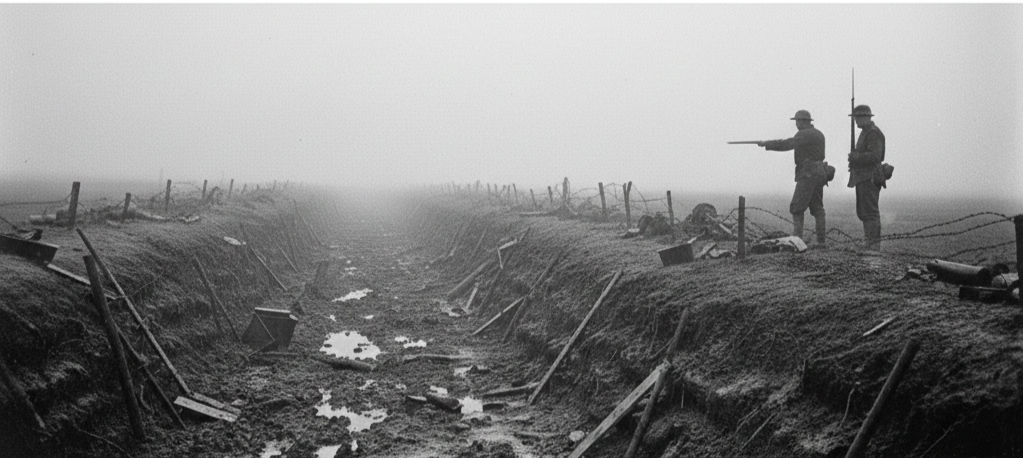
To understand the persistence of modern conflicts, war should be conceptualised not solely as a military event but as a political process. Historical theorists have long contended that violence serves political objectives rather than existing independently. The trajectory of conflict is shaped by evolving calculations of power, legitimacy, and risk. As political aims shift or proliferate, the conditions necessary for ending war become increasingly elusive.
This article contends that modern wars rarely conclude decisively because the political nature of conflict resists finality. Political objectives evolve during warfare, actors fragment, and incentives to end hostilities diminish over time. The first part of this three-part series examines this issue conceptually, drawing on foundational theories of war to explain the persistence of contemporary conflicts.