

Exploring the Intersection of History and Geopolitics
History and geopolitics are not simply records of past events; they are the study of how power is organised, contested, and preserved over time. At Global Chessboard, this section approaches global affairs through a structural lens, examining the incentives, institutions, and strategic calculations that shape state behaviour. Wars, alliances, intelligence operations, economic leverage, and diplomatic doctrine rarely emerge in isolation. They are responses to deeper pressures embedded within the international system.
Rather than focusing on headlines or momentary crises, this category explores the underlying architecture that sustains global order. Political decisions are often framed publicly in moral or ideological terms, yet beneath those narratives lie calculations of security, influence, and survival. Understanding geopolitics requires examining both the visible outcomes and the hidden mechanisms that produce them.
The modern world remains deeply influenced by historical turning points. Institutions formed after major conflicts, doctrines shaped during periods of strategic rivalry, and power structures designed to prevent escalation continue to affect contemporary policy. Many present-day tensions are not new phenomena but extensions of unresolved structural dynamics.
This section emphasises analytical clarity over commentary. It evaluates how states justify action, how institutions function under pressure, and how long-term strategy frequently outweighs short-term rhetoric. By situating current developments within their historical context, the goal is to provide a disciplined interpretation rather than a reaction.
Geopolitics is ultimately the study of organised power in motion. To understand it is to recognise that the present is shaped by accumulated decisions, layered incentives, and enduring institutional design.
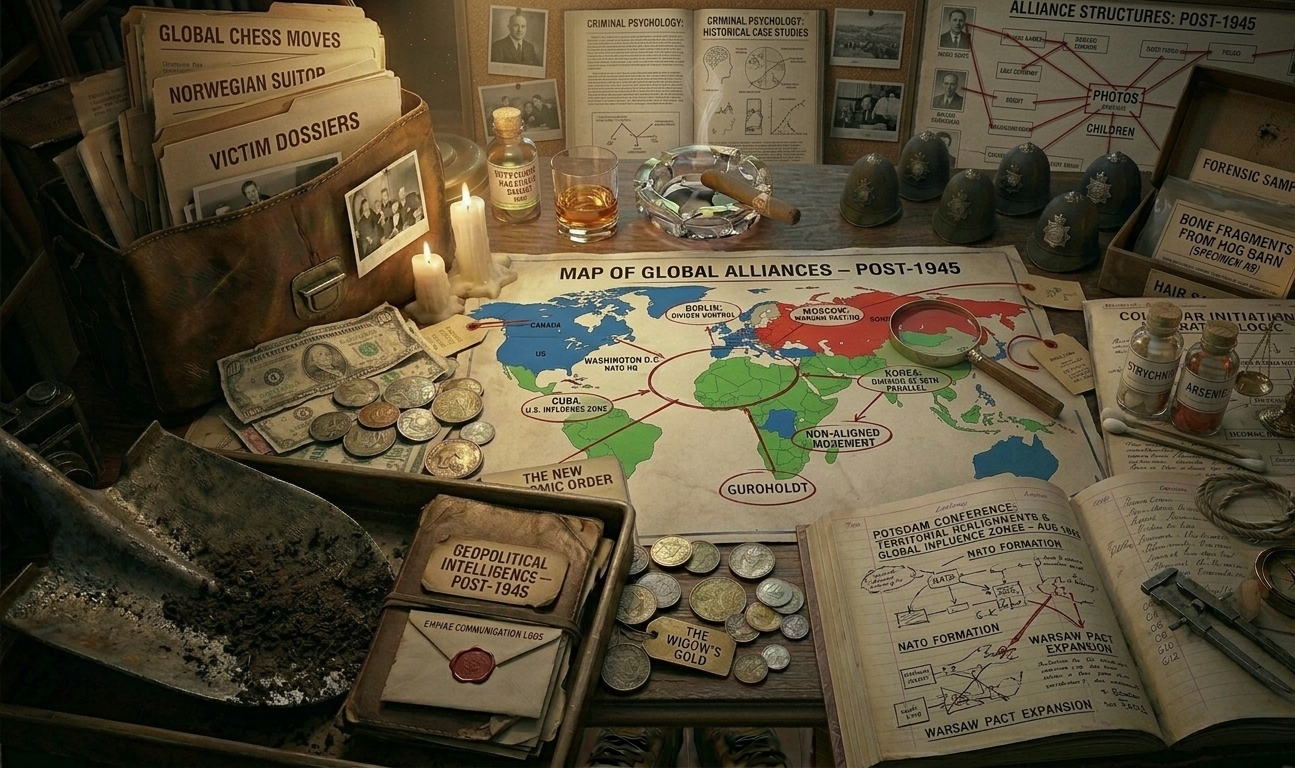
The Shadow of 1945: World War || Still Shapes Global Politics
World War II officially ended in 1945, but its consequences never truly disappeared. The alliances it forged, the borders it redrew, and the institutions it created still shape global politics today. From nuclear deterrence and military alliances to unresolved territorial disputes and national memories of victory and defeat, the war continues to cast a long shadow over modern geopolitics. Understanding the world today means understanding the war that quietly built it.

Why Do Modern Wars Persist? A Three Part Series.
Modern wars rarely end with clear victories anymore. This article explores why conflicts today resist endings and how global politics, strategy, and power keep wars lingering far longer than expected.