The Economics of Power: How Money Shapes Global Politics
Historically, national power was measured by armies, territory, and conquest. Empires rose and fell on battlefields, and a state’s strength was defined by its military or land. From ancient kingdoms to nineteenth-century imperial powers, geopolitics revolved around war and the struggle for dominance among states.
In the contemporary era, the concept of power has become more complex. While military strength remains relevant, states increasingly acquire influence through financial markets, trade, and global organisations that facilitate international connectivity. Control over these systems can confer significant power without the use of force. Consequently, the management of money, resources, and economic systems is now as critical as military capability.
Over the past hundred years, the world economy has become a vast web of interconnected systems. Money, banks, shipping, energy, and financial organisations now form the hidden structure that underpins how countries interact. Nations try to shape these systems because they decide who gets access to money, technology, trade, and power. Economic influence can build partnerships, weaken opponents, and quietly shift who holds power worldwide.
This shift necessitates a closer examination of the economic systems that govern trade, finance, and global markets. Beneath the surface of political and military developments, a broader contest unfolds through monetary policy, trade restrictions, supply chains, and banking institutions. In this context, financial instruments have emerged as some of the most influential tools in international relations.
Power Beyond Armies
Looking back at history, although the pursuit of peace is widely professed, it remains elusive. Each conflict has produced both cynics and visionaries: the former regard war as inevitable, while the latter perceive wealth, self-government, and technological advancement as drivers of gradual moral progress. And technology is driving slow moral progress.
Throughout history, war has exerted a profound influence on economic systems. Victorious states have shaped economic structures and trade patterns, and conflicts have often spurred technological innovation. However, recurrent warfare has depleted wealth, disrupted markets, and impeded economic growth. Wars impose substantial costs in financial resources, infrastructure, and human capital, while also disrupting trade, supply chains, and employment. Although post-conflict reconstruction may yield short-term economic gains, war generally hampers long-term economic progress and diminishes overall societal welfare.
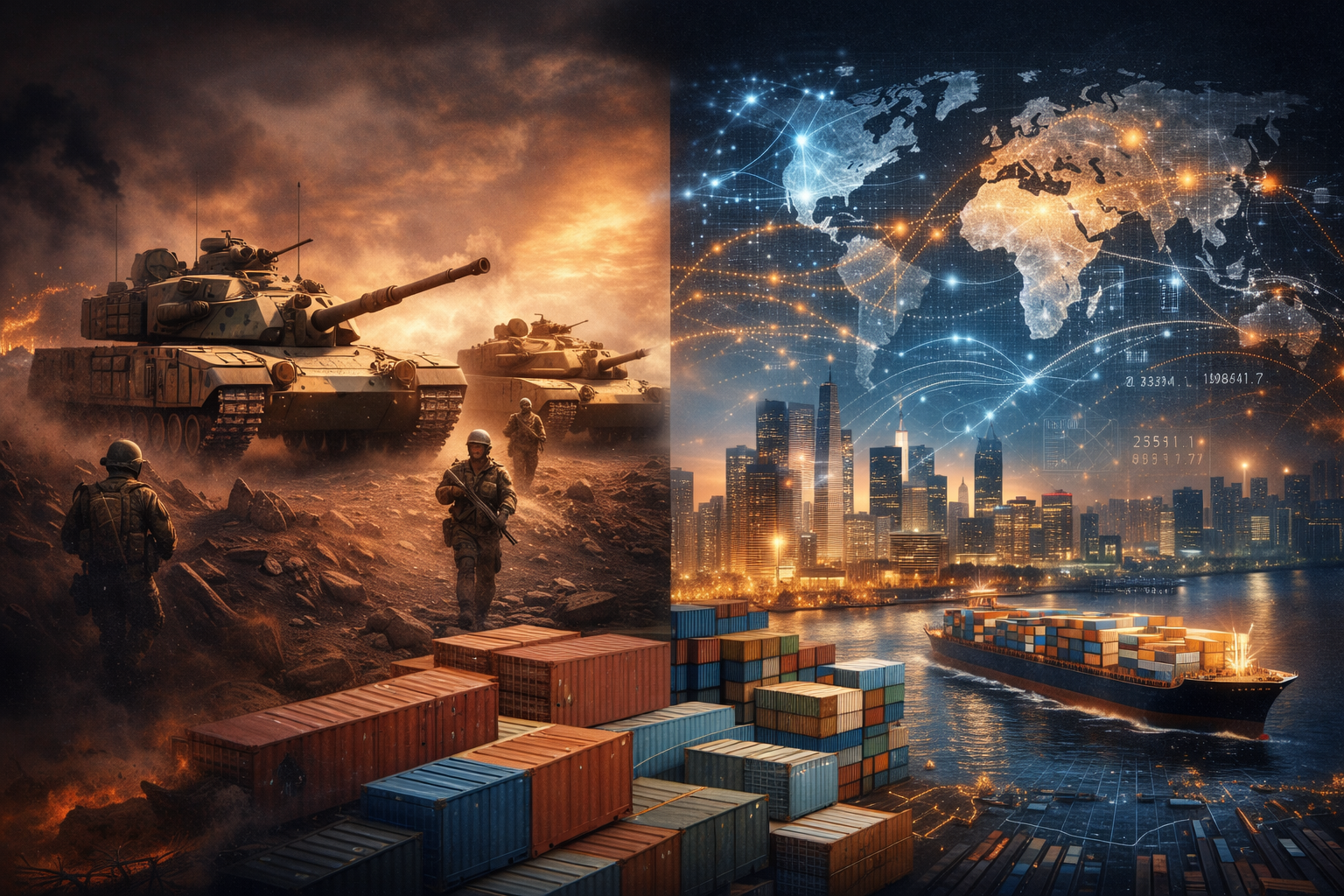
Nearly all wars are fought over control of territory, and sometimes over specific economic resources, such as minerals, farmland, or cities. The patterns of victory and defeat in wars through history have determined the direction of the world economy and its institutions. For example, when Portugal in the sixteenth century used ship-borne cannons to open sea routes to Asia and wrested the pepper trade away from Venice, which depended on land routes through the Middle East, it set in motion a major shift in Europe's economic centre of gravity away from the Mediterranean and toward the Atlantic. Wars of conquest can more than pay for themselves if successful. The nomadic horse-raiders of the Iron Age Eurasian steppes found profit in plunder. Similarly, the seventeenth-to-eighteenth-century Dahomey Kingdom (present-day Benin) made war on its neighbours to capture enslaved people, whom it sold to Europeans at port for guns to continue its wars. War benefited the Dahomey Kingdom at the expense of its depopulated neighbours. Likewise, present-day armies in the Democratic Republic of the Congo and Sierra Leone are fighting to control diamond production areas, which in turn fund those armies. According to one controversial school of thought, states that wage war behave as rational actors, maximising their net benefits.
However, wars are fought for many reasons beyond the pursuit of valuable commodities. Successful empires have used war to centralise control over an economic zone, often pushing it in directions most useful to continued military strength. Transportation and information infrastructures reflect the central authority's political control. When European states conquered overseas colonies militarily (in the sixteenth to nineteenth centuries), they developed those colonies economically to benefit the mother country. For example, most railroads in southwestern Africa were built and still run from mining and plantation areas to ports. Empires, however, inherently suffer the problems of centralised economies, such as inefficiency, low morale, and stagnation. Some scholars argue that empires also overstretch their resources by fighting costly wars far from home, thereby leading to their own demise.
In recent centuries, major conflicts have often been won by maritime trading nations, in contrast to traditional land-based empires. Rather than directly governing conquered territories, these states have permitted other nations to manage their own economies and engage in international trade. As a result, economic systems have become more significant sources of power than military confrontation. Trade, banking, and global markets now constitute the primary arenas of international competition, with states leveraging control over financial systems, markets, and economic regulations to exert influence.
The Rise of Economic Statecraft
Since the end of the Cold War, political liberals have viewed economic sanctions as a more humane instrument. In contrast, realists have mainly focused on the state’s self-interest in the use of military force. In an unstable international system, economic sanctions have become an alternative to military actions for regime change and the assertion of political influence, neither of which recognises democratic standards or the rule of law. These economic restrictive measures have now become part of the foreign policy toolkit available to states when seeking to influence another state’s behaviour.
With the expansion of the global economy, governments increasingly recognised that economic systems could generate wealth and influence other states. This realisation gave rise to the concept of economic statecraft, defined as the intentional use of economic instruments to achieve political objectives. Rather than relying exclusively on military force or diplomacy, states began to shape international outcomes through trade regulations, financial leverage, investment controls, and the management of economic relationships.
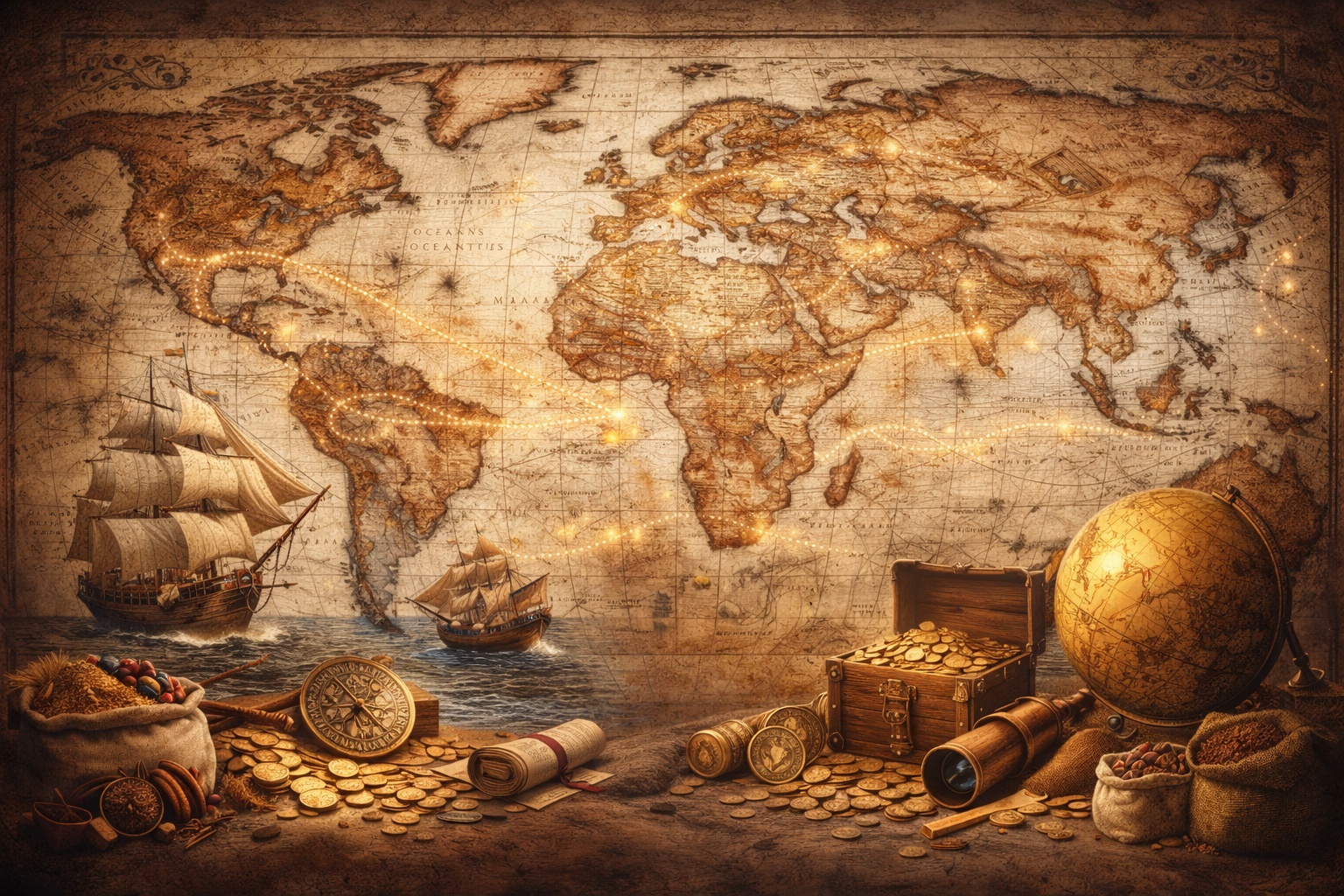
Economic statecraft is predicated on the interconnectedness of contemporary economies. States depend on global markets for access to resources, technology, capital, and trade. As a result, restricting access to these systems can exert considerable pressure on other countries. Governments may incentivise cooperation or impose constraints to hinder adversaries, thereby using the global economy as a competitive arena to advance national interests.
One of the most visible forms of economic statecraft is trade policy. Throughout modern history, states have used tariffs, export restrictions, and trade agreements to influence international relations. Trade cooperations can bolster diplomatic ties and build long-term alliances, while trade restrictions can isolate rivals and weaken their economic capacity. Because global supply chains link economies across countries, trade disruptions can have extensive consequences. Governments, therefore, treat access to markets, technology, and resources as matters of strategic importance instead of purely commercial decisions.
Investment and money flows are another key part of economic statecraft. Investing in other countries, funding development, and building infrastructure can strengthen political ties and help a country gain greater influence. By investing in key areas or regions, governments can shape economic growth and strengthen their global position. Building infrastructure, making energy deals, and signing financial agreements often help with both economic and political goals.
Technology and industrial policy have also become increasingly central to economic statecraft. In the modern economy, technological leadership can translate directly into international influence. Governments seek to protect strategic industries, control sensitive technologies, and maintain advantages in telecommunications, artificial intelligence, and advanced manufacturing. Export controls, technology restrictions, and industrial subsidies are frequently used to ensure that critical technologies remain within national or allied economic systems.
Economic statecraft can also include measures designed to pressure or punish rival states. Among the most common tools are financial restrictions, asset freezes, and limitations on access to global financial markets. These measures are often implemented as part of broader diplomatic efforts to influence the behaviour of other governments. While such policies are frequently referred to as sanctions, they constitute only one aspect of a broader toolkit that governments use to exert economic influence.
Taken together, these tools illustrate how economic systems have become deeply embedded in the practice of modern geopolitics. The ability to shape trade networks, financial systems, investment flows, and technological development allows states to exercise power in ways that are less visible than military conflict but often just as consequential. In the contemporary world, economic statecraft has become one of the primary methods through which nations pursue influence, competition, and strategic-level advantage in the global arena.
The Power of Global Trade
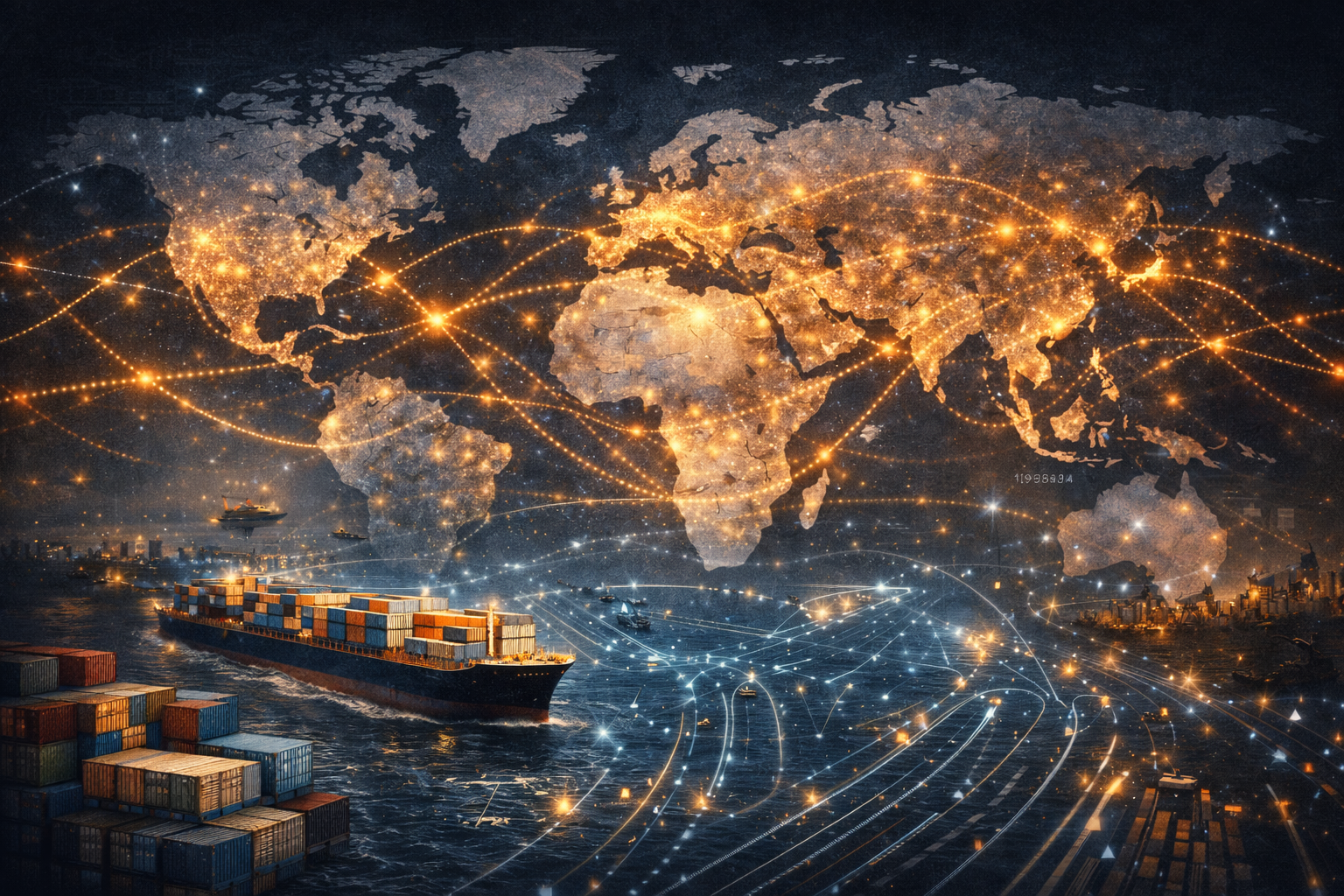
Global economic interdependence is evident as countries rely on one another through trade, investment, and capital flows. Production processes are distributed internationally, making manufacturing in one location dependent on inputs from others. The 2008 global financial crisis highlighted this interconnectedness, as world trade declined by over 25 per cent, affecting even financially robust nations. Historically, long-distance trade has been instrumental in driving economic growth and shaping the global economy. Shifts in technology, politics, or other factors continually alter patterns of international trade.
Traditional trade theory emphasises the gains from specialisation made possible by differences among countries. The main contribution of this strand of thought is that opportunities for mutually beneficial trade exist by virtue of specialisation based on relative efficiency; a country need not be better at producing something than its trading partners to benefit from trade. It is sufficient that it is relatively more efficient than its trading partners. From an economic perspective, the case for freer trade rests on the existence of gains from trade, and most economists agree that such gains exist. The idea that there are gains from trade is the central proposition of normative trade theory.
Global trade networks function as essential channels for economic growth and international influence, allowing highly integrated states to leverage supply chains for diplomatic advantage. Empirical research indicates that while trade interdependence introduces vulnerabilities to external shocks, it also enables states to exert influence through market access, investment, and strategic alliances, frequently utilising bilateral trade agreements to enhance economic diplomacy. Economic integration promotes development by facilitating specialisation, efficient resource allocation, and expanded market access, thereby contributing to stability and growth. Trade networks are strategically employed to achieve geopolitical objectives, with states using agreements to secure alliances and strengthen their global standing. Deep integration allows countries to shape supply chain architecture and enhance resilience, often through redundancy and friendshoring strategies. This capacity enables states to influence the evolution of global trade networks by actively shaping trade rules.
The Dollar and The Architecture of Financial Power
Since the mid-twentieth century, global commercial and financial relations and global social policy have been managed through a variety of institutions. Today, these include the World Trade Organisation (WTO) and the popularly called Bretton Woods Institutions (BWIs): the International Monetary Fund (IMF or Fund) and the World Bank (Bank). These institutions, together with an associated system for monetary policy and exchange-rate stability centred on the U.S. dollar's convertibility to gold, are collectively known as the Bretton Woods System. Both the World Bank and the IMF came into being in 1945 with the entry into force of their respective articles of agreement. Shortly thereafter, in 1947, the General Agreement on Tariffs and Trade (GATT) was adopted as a curtailed implementation of the planned third Bretton Woods Institution, the ITO. The WTO was created in 1994 as the outcome of the Uruguay Round of GATT negotiations and incorporates GATT.
The World Bank began when one of its two primary lending organs, the International Bank for Reconstruction and Development (IBRD), was created in 1945 to help finance the reconstruction of Europe (a role largely taken over by the subsequent Marshall Plan). Its mission quickly broadened into organising development investment on a global scale. The IBRD continues to carry out what is often considered the Bank's core activity: development lending at preferential (but near-commercial) rates. The Bank's second lending institution, the International Development Association (IDA), was created in 1960 to assist the Bank's poorest clients through concessional (zero-interest) lending and outright grants.
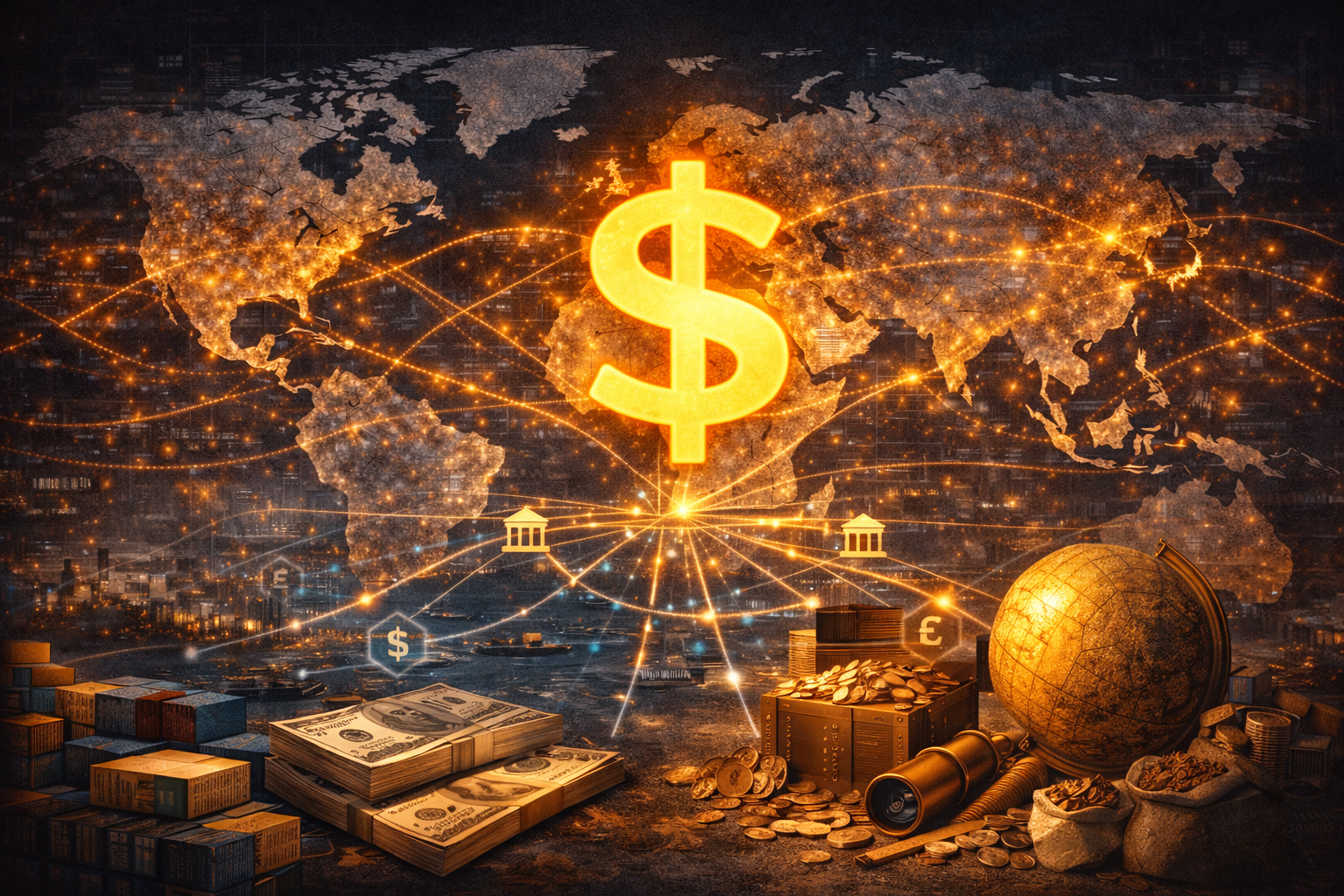
In 1944, the United States of America was primed to become the most powerful nation on Earth. Referred to by some as “Hercules in a cradle,” the country was now ready to take on its geopolitical birthright and use its size, wealth, and productive capacity to rule the world. It had gone from a small collection of colonies fighting to free themselves from the weight of the British monarchy to a democracy buttressed by a constitution that had survived a civil war and successfully knit together an organised union of forty-eight states. Not only was it the largest economy, but it also controlled more than two-thirds of the world’s gold reserves, thanks largely to the California Gold Rush. The United States was also the only major power set to emerge from the ashes of two global wars with its domestic infrastructure largely unscathed. Everyone else was in tatters.
This was the leverage that a U.S. Treasury official named Harry Dexter White used to make the almighty American buck the most important currency on Earth. An agreement called the Bretton Woods System, ratified on July 22, pledged to end an era of economic nationalism that had caused two world wars. At the centre of that promise was a nascent global power, the United States and its currency. White, representing the behemoth that the United States had become, put the Dollar at the centre of a new structure that would preserve a gold link. The new system established three key components of the new economic order by creating two multilateral institutions, the International Monetary Fund (IMF) and the World Bank, and establishing an international currency regime.
It was essentially the coronation of the Dollar as the world’s reserve asset, the go-to currency on which the entire financial system would be based. During the Bretton Woods meetings, there was debate over whether a better option was to create a unified world currency not ruled by any one nation. But as the men mapped out the postwar financial order, White used the United States’ size and its ability to provide the most funding for the IMF and the World Bank’s reconstruction efforts to lead the group to crown the Dollar as the world’s reserve asset. That made gold, which at the time was considered God’s gift to civilised commerce, secondary to the Dollar. America’s large gold holdings gave the Dollar strong purchasing power and the capacity to anchor itself to the metal, making it the obvious choice as the new, easily transferable reserve asset for economies to rely on. The economic officials gathered at Bretton Woods agreed to fix their currencies to the Dollar instead of directly to gold. In exchange, Henry Morgenthau, Jr., the Treasury secretary during the Roosevelt administration, pledged to fix the Dollar to gold at $35 per ounce. With that, the Dollar's centrality in the global financial system was cemented. The Treasury Department was now in charge of bringing the world’s many nations together into an interdependent, peaceful economy. The United States would go on to create a global financial and military security umbrella that would make another world war less likely. In return, it would open a vast global market for American goods and services, traded in dollars.
For over two decades, the treaty machinery set up at Bretton Woods appeared to do what its designers had promised. Under the IMF’s discipline, member states pegged their currencies to the Dollar, giving the world an exchange-rate anchor that promoted trade, investment, and policy coordination. The post-World War II economic expansion was characterised by exceptional, prolonged growth, accompanied by full employment, particularly in the USA, the Soviet Union, Australia, and parts of Western Europe and East Asia. The legal architecture of Bretton Woods, as expressed in the details of the IMF’s Articles of Agreement, was an important element of this period in economic history.
By the late 1960s, a growing U.S. balance-of-payments deficit made the fixed gold price unsustainable in the eyes of U.S. policymakers. In August 1971, President Richard Nixon shocked the global economy by unilaterally suspending gold convertibility, thereby stripping the Bretton Woods System of its keystone and initiating the transition to today’s floating exchange rate system. In 1978, the Articles of Agreement’s Second Amendment entered into force. The amendment granted IMF member states considerable freedom to determine their own exchange rate policies, subject only to reduced IMF surveillance procedures aimed at preventing currency manipulation, thereby favouring capital mobility.
Although the par value system collapsed, the foundations laid at Bretton Woods continued to sustain the Dollar’s central role in the global financial system. The formal adoption of the U.S. dollar as the reserve currency and the deliberate rejection of alternative proposals such as Keynes’s bancor entrenched an institutional preference that proved remarkably resilient. This early choice created enduring lock-in effects: as dollar markets consolidated into the world’s deepest and most liquid, the Dollar acquired what international political economy scholars describe as an ‘incumbency advantage’. But dollar dominance is not only an economic asset: it is also a vehicle of global legal and institutional power. It operates as a constitutive force in international law and global governance. Once a currency dominates trade invoicing, reserve accumulation, and cross-border clearing, rivals struggle to displace it. In the wake of the Nixon shock, Washington actively reinforced this hegemony. The USA struck a series of agreements with Saudi Arabia and, by extension, the Organisation of Petroleum Exporting Countries (OPEC) bloc to price oil in dollars and reinvest surpluses into U.S. financial assets.
The Dollar, which has dominated global oil markets (also known as petrodollars) since 1974, when oil-producing nations such as Saudi Arabia and others agreed to accept the Dollar as the preeminent currency for oil sales. There is a strong relationship between the global oil market and the dollar exchange rate: oil transactions are denominated in dollars, the majority of oil-producing countries receive their revenues in dollars, and international oil corporations invest in dollars when financial surpluses accumulate in oil-producing nations.
SWIFT and the Infrastructure of Global Finance
A Dutch banker, Johannes (Jan) Kraa, had persuaded a group of European banks to found the Society for Worldwide Interbank Financial Telecommunication (SWIFT) in 1973 to create an alternative system for secure communications between banks. SWIFT was based in Belgium to sidestep rivalry between the two financial centres, London and New York. However, it struggled to persuade European banks to participate. Each wanted its own country’s standards to prevail, making it hard for SWIFT to reach consensus or attract enough banks to make the system workable. By 1974, it looked increasingly likely that SWIFT would fail. By the end of 1975, SWIFT had 270 member banks located across fifteen countries. SWIFT membership was a necessary condition for participating in the global financial system. And the more that SWIFT grew, the more essential it became to the world’s financial system, including America’s.
SWIFT does not move money itself. Instead, it serves as a communication infrastructure, enabling banks worldwide to send payment instructions, confirm transfers, and coordinate cross-border transactions. Through this network, thousands of financial institutions in more than 200 countries can conduct international trade and financial operations efficiently. Without such a system, global banking would become slow, fragmented, and far more difficult to manage.
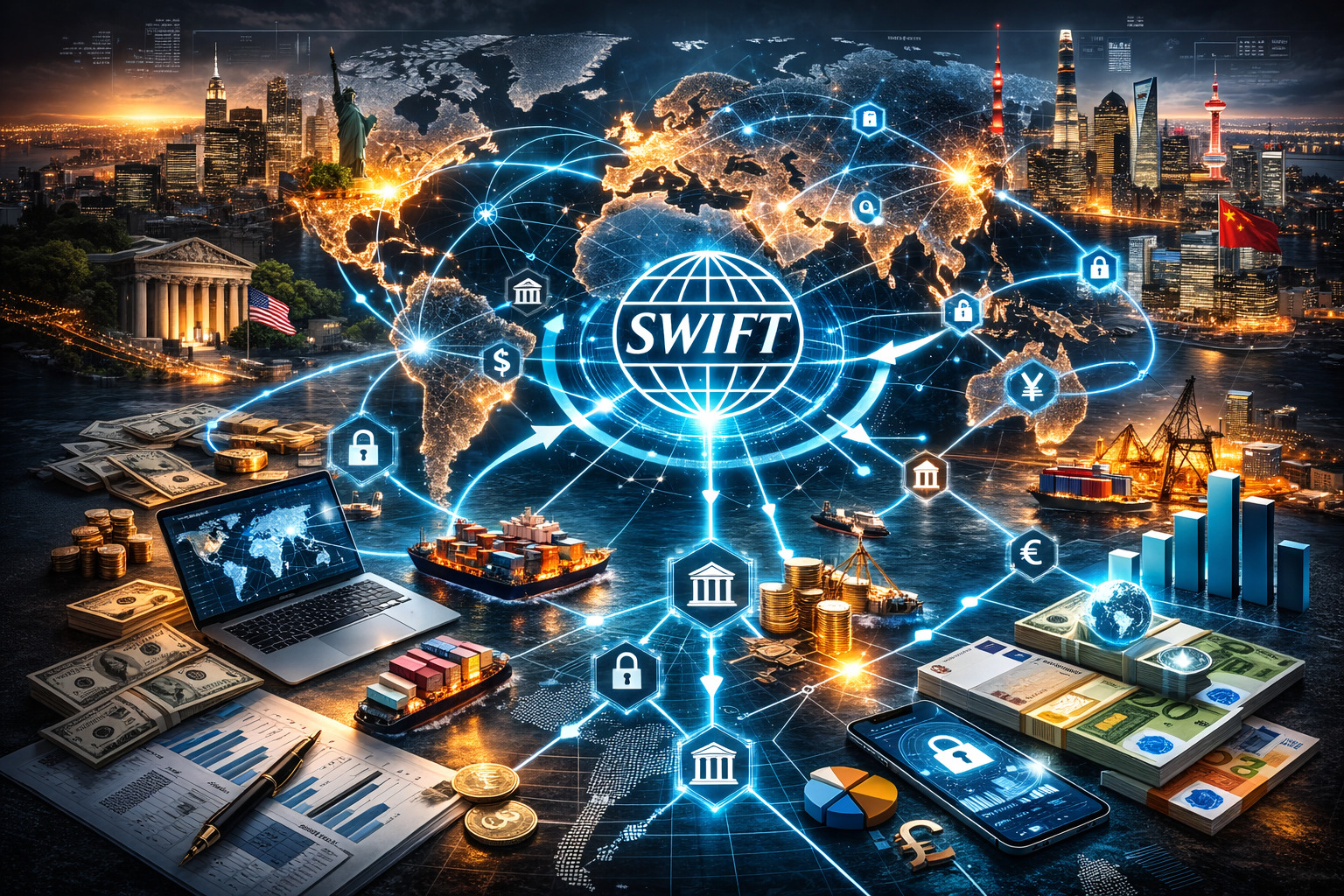
Because SWIFT serves as a main hub connecting the global banking system, access to it has major geopolitical implications. Countries and financial institutions rely heavily on the network to conduct international payments, settle trade transactions, and sustain financial stability. When banks are disconnected from the system, their ability to interact with the global economy becomes severely restricted. This has made SWIFT an important element in modern economic statecraft.
In recent decades, restrictions on SWIFT access have been used as part of international sanctions regimes. By limiting or removing certain banks from the network, governments and global coalitions can isolate targeted economies from global financial flows. Such measures show how financial infrastructure, once designed to facilitate trade, has become a powerful instrument.
Sanctions as a Tool of Power
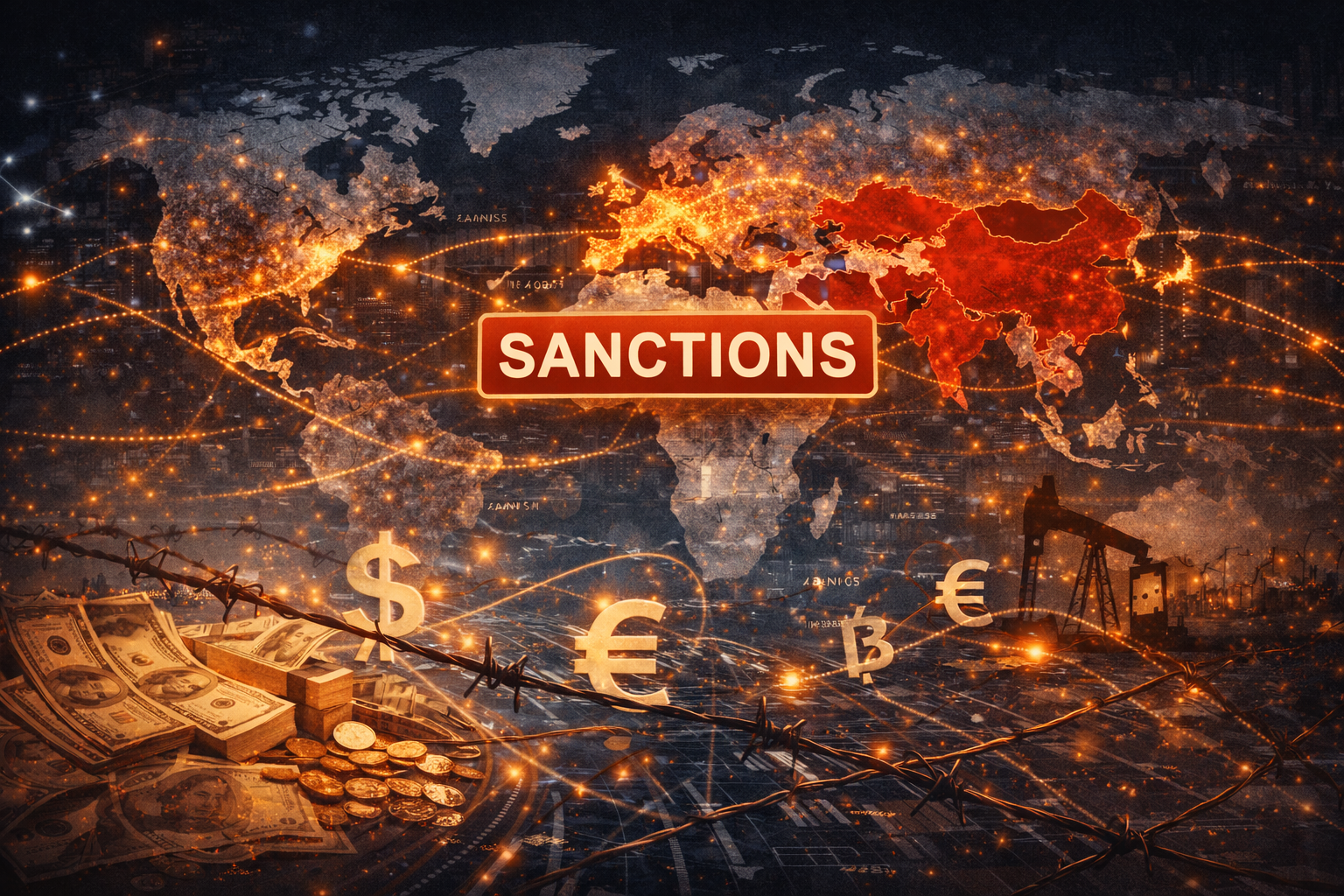
States and international organisations, both universal and regional, impose economic sanctions to influence the strategic decisions of national governments and non-state actors that threaten their interests or violate international legal norms. Sanctions have become a defining feature of state and international organisation responses. Sanctions are unilateral or “collective action against a state considered to be violating international law” designed to compel that state to conform to the law. Sanctions include withholding diplomatic recognition, boycotting athletic and cultural events, and seizing property belonging to citizens of the targeted country. However, the sanctions that attract the most attention and are likely to have the greatest impact are composed of various restrictions on international trade, financial flows, or the movement of people. For sanctions, unlike wars, which have long been governed by specific legal codes governing the behaviour of belligerents and “neutral” third parties, rules emerged late. They were not as clearly defined as those governing wartime behaviour.
In the nineteenth century, economic sanctions consisted primarily of pacific blockades, in which a country or coalition of countries deployed a naval force to interrupt commercial intercourse with certain ports or coasts of a state with which they were not at war. Although most naval blockades involved wars, pacific blockades (a term that originated about 1850 to distinguish those blockades within a declared war from those between nations legally on peaceful terms) developed gradually over time as a coercive tool, short of war, designed to compel recalcitrant nations to pay their debts (often reparations) and to settle other international disputes. Such blockades were typically initiated by powers militarily much stronger than those of the targeted nation, in the exercise of the right to deploy a pacific blockade. The first recorded Pacific blockade dates from 1827, when, during the Greek fight for independence from Turkey, Britain, France and Russia deployed a fleet off the Greek coast to prevent the supply and reinforcement of the Turkish and Egyptian forces fighting in Greece.
Accompanying the recent increase in the use of sanctions has been a shift in perceptions of the contexts in which their imposition might be appropriate. Between 1914 and 1945, sanctions were typically deployed to disrupt military adventures, as in the case of U.S. sanctions against Japan in 1917 and 1940–1941, or the sanctions by the United Kingdom and the League of Nations against Italy in 1935–1936, or to complement a wider war effort, as in the case of sanctions by the United Kingdom against Germany from 1914 to 1918.
However, in recent decades, economic sanctions have been pursued for a much broader range of international goals: forestalling war; hastening the achievement of freedom and democracy; cleaning up the environment; strengthening human rights or labour rights; nuclear non-proliferation; the freeing of captured citizens; and the reversal of captures of land. Sanctions have become a standard, routine policy tool for nations and international organisations to address actions by a targeted nation that the targeting nation or a group of nations opposes. In large measure, sanctions are meant to influence the behaviour of foreign nations, now or in the future, by imposing present constraints or promising future ones. Sanctions may seem appealing in principle, since, compared to war, they may provide a lower-cost way to punish departures from international standards of conduct and to resolve disputes between countries.
Reducing the targeted nation's exports (thereby reducing its income) is intended to limit its ability to purchase needed supplies in the world market, while at the same time providing benefits to the targeting nations’ businesses similar to those provided by tariff protection. Restrictions on imports into the target nation can involve a total ban on all commodities or a more selective set of restrictions on specific military equipment or certain technologically sophisticated materials needed to support the state’s military and productive capacity.
Although the traditional economic statecraft literature focuses on linking economic tools, such as sanctions, to security objectives, new research extends this concept to security externalities arising from an interconnected economy characterised by rapid technological development. Though some argue that the defence technology industry will continue to set the trajectory of defence innovation, the existing literature points to the necessity of private-sector involvement in dual-use technology development to sustain innovation in the information age.
Sanctions also come in the form of investment barriers and monetary rules. Investment sanctions are implemented as restrictions on capital movements, prohibition of specified investments, or sectoral bans designed to freeze foreign investment. Sanctions exert a strongly negative influence on total foreign direct investment inflows, with a more pronounced impact on cross-border mergers and acquisitions (M&As) than on greenfield investments. Research shows that M&A sales fall sharply, by up to 35%, under financial sanctions because these deals are easier to terminate than long-term greenfield projects. Specific restrictions on high-tech, energy, or aerospace sectors, frequently employed alongside investment bans, have proven effective at hindering targeted development.
Financial sanctions are increasingly used to isolate target economies, restricting access to international capital markets and increasing national financial risk. Financial sanctions restrict liquidity, leading to banking insolvency (especially among small and medium-sized banks) and reducing competition among banks in the target economy. Exclusion from the SWIFT financial system is a core, high-impact regulation that severely limits international banking activities. Sanctions increase foreign debt and foreign exchange risks, forcing countries with weak financial development to bear higher costs. Economic pressure can weaken adversaries, shape political decisions, and influence international behaviour. Rather than deploying armies, governments may restrict access to markets, technology, or financial systems.
Resources and the Politics of Energy
Energy policy, both locally and globally, is one of the most important parts of daily life for people, businesses, and countries. Energy is key to a country’s economic growth. Oil-rich countries depend on energy sales, so keeping these resources safe is crucial to their security. Today’s world politics are strongly shaped by energy issues, making energy management a big part of national security. Getting, using, and changing energy also affects the environment and climate, and the choices made now can create risks for future generations.
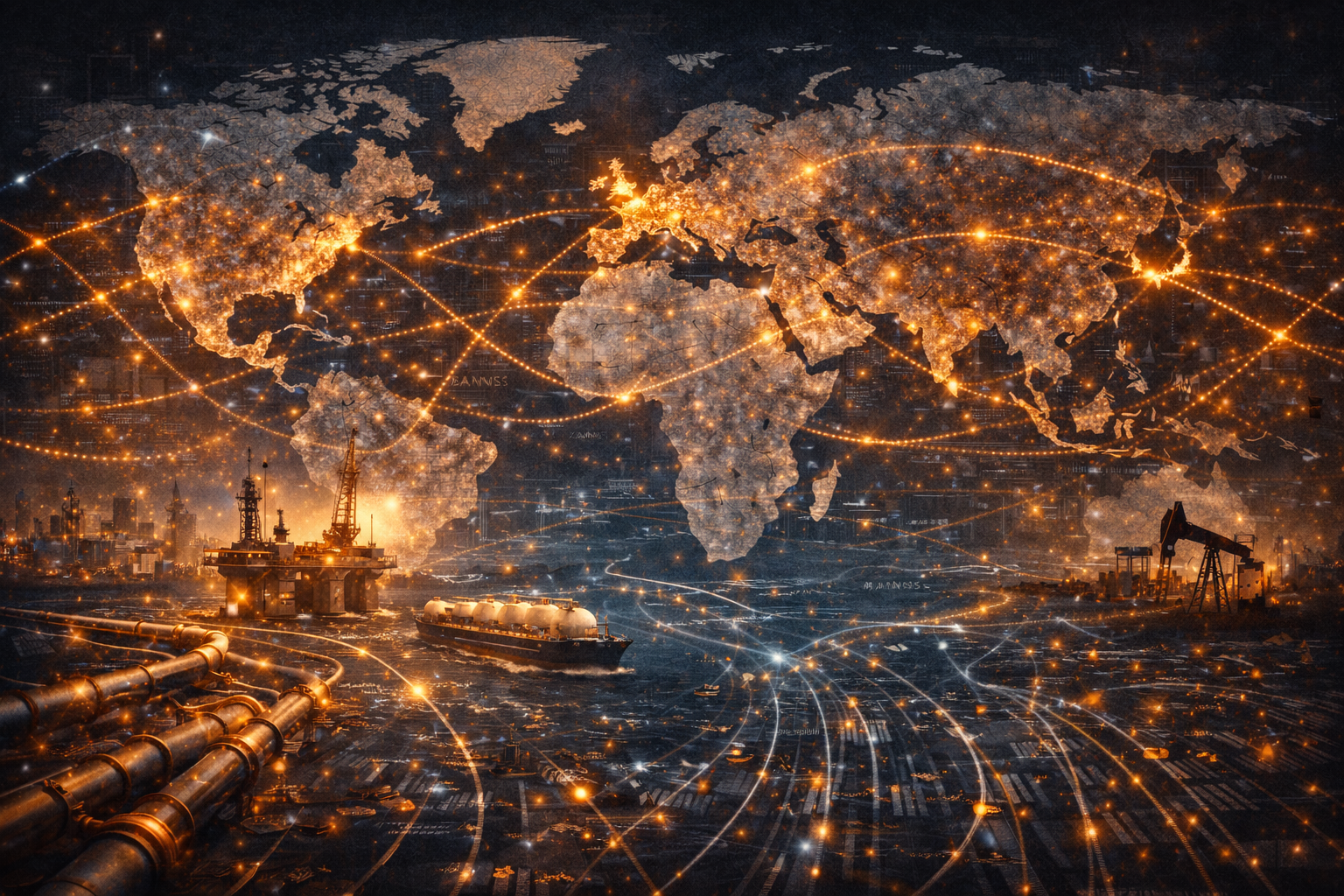
States frequently leverage their energy resources to enhance geopolitical influence by establishing long-term supply agreements. Many nations rely on a limited number of external suppliers for oil or gas, resulting in vulnerabilities within their energy systems. When these agreements are linked to infrastructure such as pipelines or transport routes, altering supply arrangements becomes challenging. This dynamic grants supplier states considerable bargaining power, enabling them to threaten supply disruptions, increase prices, or delay shipments to exert pressure without direct conflict. Thus, energy dependence becomes a mechanism through which supplier countries can influence importers.
The geography of global infrastructure shapes energy politics. Critical maritime chokepoints, pipeline networks, and transit corridors often become focal points of international competition. Strategic waterways such as the Strait of Hormuz and the Suez Canal transport a large share of the world’s energy supply, so instability or conflict in these regions can have global consequences. Similarly, pipeline routes like Nord Stream, connecting producers to consumer markets, often pass through politically sensitive territories, giving transit states leverage. Control over infrastructure becomes almost as important as control over the resources themselves.
The tendency of governments in resource-rich countries to intervene in the distribution of resource rents for political and economic gain has endured for a century. The overlap between geostrategic tensions in powerful countries and a strong climate of economic nationalism within resource-rich countries has made the challenges of resource nationalism in the era of ‘high metal density’ increasingly salient. The contrast between lagging economic growth and abundant natural resources has made minerals and energy a frequent weapon of resistance against fiscal inequality in the global South. From the nationalisation of resources in the 1960s and 1970s to the metals super-cycle of the first two decades of this century, resource nationalism has recurred and become deeply embedded in the world economic order. There is a growing global demand for critical minerals (lithium, cobalt, nickel, copper, etc.) to support technological transitions and address climate change. Changes in clean energy and transportation electrification have put significant pressure on the supply of critical metals. The imbalance between supply and demand pushed international mineral prices higher. Countries with large reserves are being tested on how to respond to the evolution of structural trends in the supply of critical minerals.
Contemporary energy policies are shaped by a range of factors, including political, social, and interest group considerations. Scientific evidence and technological advancements are not consistently integrated into policy decisions. As a result, significant disparities exist in objectives such as achieving carbon neutrality, ensuring universal energy access, and fulfilling the Sustainable Development Goals.
Resource nationalism is increasingly emerging in resource-rich countries in South America, Africa, and Southeast Asia. Economic growth and technological advances increasingly depend on critical metals, such as copper, nickel, cobalt, lithium, and rare-earth elements (REEs). Geopolitics and geo-economics of critical minerals are intensifying, driving dramatic volatility and widespread price increases. As countries transition toward new energy technologies, control over these materials may create new forms of geopolitical leverage akin to those historically associated with fossil fuels. The competition over these resources shows that while the world energy landscape may evolve, the central importance of resource control and the political influence it can generate will remain a central feature of international power.
The Economic Battlefield of the Modern World
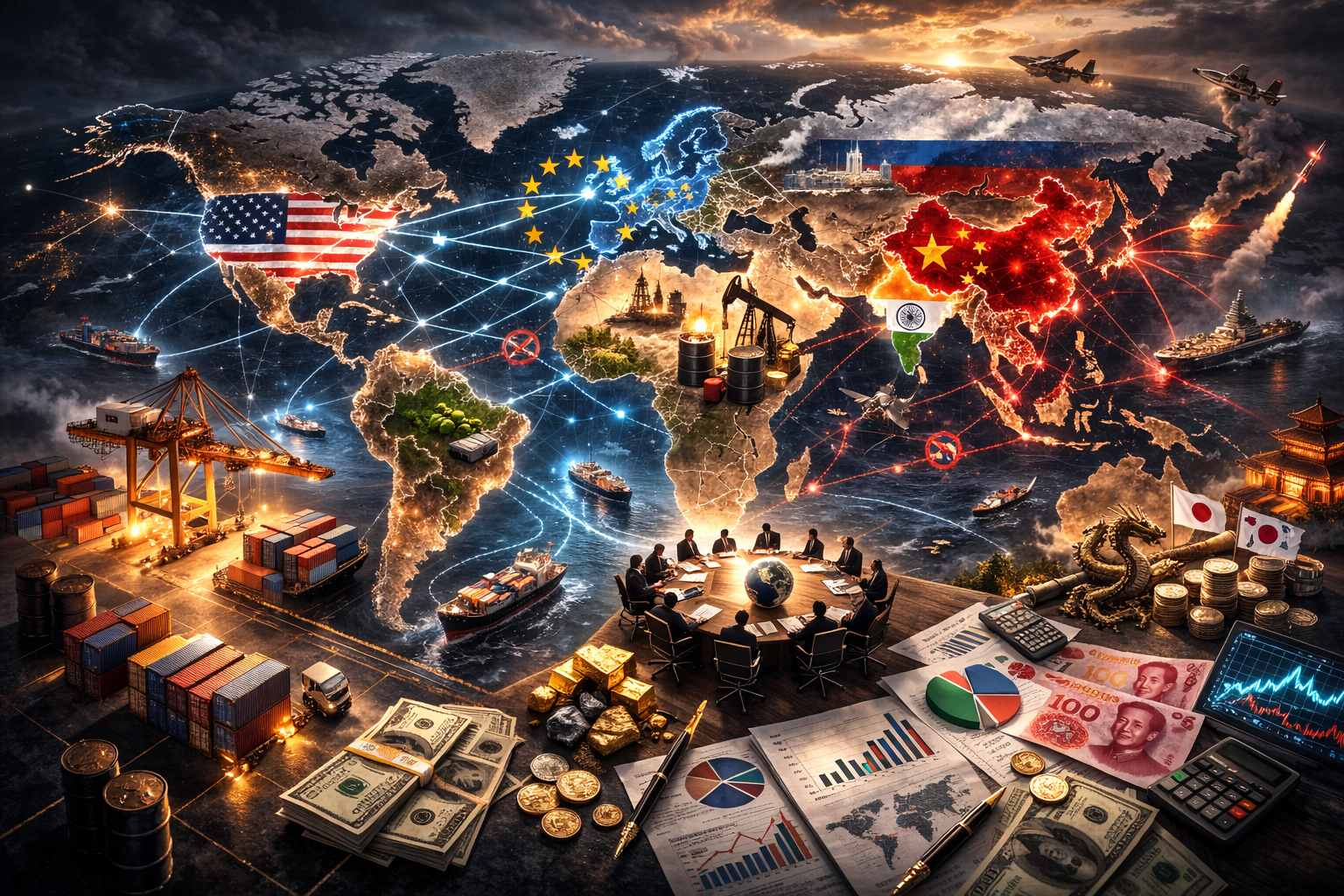
In the contemporary international system, economic systems have increasingly become arenas of strategic competition. Unlike classic warfare, the struggle for influence now frequently unfolds through financial markets, trade networks, technological standards, and currency networks. Governments seek to shape these economic structures in ways that strengthen their own position while limiting rivals. The result is a form of geopolitical competition that operates largely without open conflict but entails serious consequences for global stability. Decisions regarding trade access, financial connectivity, and technological cooperation now shape power dynamics as significantly as territorial control once did.
One of the most significant instruments in this modern economic battlefield is the global financial system, particularly the dominance of certain currencies in international trade. For decades, the United States dollar has functioned as the primary reserve currency of the global economy, enabling international trade, investment, and monetary transactions. Because global commodities from oil to agricultural goods are frequently priced in dollars, many countries maintain large reserves of the currency and conduct transactions through financial institutions linked to the dollar-based system. This structural role confers considerable influence on the institutions that govern these networks, allowing financial mechanisms to serve as tools of geopolitical pressure.
Currencies themselves can therefore become instruments of power. Restrictions on access to international payment systems, limitations on financial transactions, or the freezing of foreign assets can isolate states from the global economy without resorting to military force. Financial networks such as the SWIFT messaging system enable cross-border banking communication, and access to such systems has become critical for modern trade and investment. When states are excluded from these networks or face limitations in currency settlements, the effects can ripple through their economies. In this way, financial architecture becomes part of a wider geopolitical toolkit capable of shaping state behaviour through economic pressure rather than confrontation.
In response to this structure, some countries have begun exploring alternatives designed to reduce their exposure to the existing financial order. Dialogues surrounding de-dollarisation, the effort to lower reliance on the U.S. dollar in global trade, have grown in recent years. Certain states have experimented with bilateral trade agreements using alternative currencies, expanded gold reserves, or developed parallel financial systems intended to operate outside traditional Western-dominated networks. Regional payment platforms, central bank-issued digital currencies, and alternative financial messaging systems are increasingly discussed as means for states to diversify their economic relationships. Although these efforts remain uneven and often limited in scale, they illustrate a wider recognition that financial dependence can translate into geopolitical vulnerability.
At the same time, the structure of global economic power remains intricate and deeply interconnected. The institutions and financial systems that currently dominate global trade were built over decades and are embedded within vast networks of investment, credit, and international commerce. Replacing or reforming these systems is neither simple nor immediate. Even as states attempt to build alternatives, global markets continue to rely heavily on established financial infrastructure, indicating the inertia of economic systems that have evolved over generations.
The contemporary geopolitical environment thus presents a paradox: while global economic interdependence fosters coordination and shared prosperity, it simultaneously generates vulnerabilities that states may exploit. Trade routes, monetary systems, financial networks, and technological supply chains constitute a global framework that both unites and divides nations. In the twenty-first century, power is increasingly defined not solely by military capability but also by the capacity to shape these economic structures.
Whether the future will see the fragmentation of this system into competing financial blocs or the continued dominance of existing institutions is still unclear. The forces of globalisation continue to bind economies together, yet tactical competition is steadily intensifying within those same networks. As states experiment with new financial arrangements and seek greater autonomy in the global economy, the emerging economic battlefield may reshape international relations in ways that remain difficult to predict.
References
Aggarwal, V. K., & Reddie, A. W. (2021). Economic Statecraft in the 21st Century: Implications for the future of the global trade regime. World Trade Review, 20(2), 137–151. https://doi.org/10.1017/s147474562000049x
AYDIN, A. (2014). THE INTERELATION BETWEEN POWER OF NATURAL RESOURCES-ENERGY LINES OWNING COUNTRIES AND THE LEVEL OF CONFLICTS THEY ENGAGE IN. In Fatih University, A. ARABACI, & S. S. GENÇ, Institute of Social Sciences.
Blanchard, J.-M. F., San Francisco State University, Ripsman, N. M., & Concordia University. (2008). A political theory of economic statecraft. Foreign Policy Analysis, 4–398, 371–398.
Borge-Diez, D. (2022). Energy Policy, Energy Research, and Energy Politics: an analytical review of the current situation. Energies, 15(23), 8792. https://doi.org/10.3390/en15238792
Cipriani, M., Goldberg, L. S., & La Spada, G. (2023). Financial sanctions, SWIFT, and the architecture of the international payments system. In Federal Reserve Bank of New York, Staff Reports (No. 1047). https://hdl.handle.net/10419/272860
Cohen, B. J. (2015). CURRENCY POWER. Princeton University Press.
Davis, L., Engerman, S., & National Bureau of Economic Research. (2003). History lessons: Sanctions: Neither war nor peace. In Journal of Economic Perspectives (No. 2; Vol. 17, pp. 187–197).
Dörry, S., Luxembourg Institute of Socio-Economic Research, Robinson, G., Luxembourg Institute of Socio-Economic Research, University of Luxembourg, Ghent University, Derudder, B., & Ghent University. (2018). There is no Alternative: SWIFT as Infrastructure Intermediary in Global Financial Markets.
Dzaleva, T., Lazaroski, S., COREView metadata, & UGD Academic Repository. (n.d.). GLOBALIZATION, TRADE AND BUSINESS. Globalization. https://core.ac.uk/download/pdf/35331351.pdf
Eckes, A. E., Jr. (1975). A search for solvency. In Bretton Woods and the International Monetary-System, 1941-1971. University of Texas Press.
Energy policy between war and peace. (2025, April 2). DGAP. https://dgap.org/en/research/publications/energy-policy-between-war-and-peace
Energy politics | Power and Energy | Research Starters | EBSCO Research. (n.d.). EBSCO. https://www.ebsco.com/research-starters/power-and-energy/energy-politics
Farrell, H., Newman, A., & Henry Holt and Company. (n.d.). All roads lead to Rome. In Henry Holt and Company.
Garcia, F. J. (2014). Bretton Woods System. In Joel Krieger (Ed.), The Oxford Companion to International Relations. Oxford University Press. https://www.oxfordreference.com/view/10.1093/acref/9780199738878.0
Gilpin, R., & Gilpin, J. M. (2001). Global Political economy. Princeton University Press.
Goldstein, J. (2003). War and Economic History. In Joel Mokyr (Ed.), The Oxford Encyclopedia of Economic History. Oxford University Press.
Grisse, C. & Federal Reserve Bank of New York. (2010). What drives the Oil-Dollar correlation?
Helpman, E. (2010). Understanding global trade.
Hughes, L., & Lipscy, P. Y. (2013). The politics of energy. Annual Review of Political Science, 449–469. https://doi.org/10.1146/annurev-polisci-072211-143240
Hunt, E. K., & Lautzenheiser, M. (2011). History of economic thought. M.E. Sharpe.
Itskhoki, O., Harvard University, Ribakova, E., & Peterson Institute for International Economics. (2025). The Economics of Sanctions: From Theory into Practice. In Brookings Papers on Economic Activity: Vol. Fall 2024–Fall 2024 (pp. 425–470). https://www.brookings.edu/wp-content/uploads/2024/09/17160-BPEA-BPEA-FA24_WEB_Istkhoki-Ribakova.pdf
Joe Jackson & Jacqueline Delaney (Ed.). (2019). Globalizing Capital: A history of the International Monetary System (Third). Princeton University Press. https://lccn.loc.gov/2019018286
Lumen, C. (2018). THE POWER OF SANCTIONS AS a TOOL OF INTERNATIONAL RELATIONS: FACTORS THAT DEFINE ITS SUCCESS. In Programme International Relations and European-Asian Studies [Thesis]. Tallinn University of Technology.
Moghani, A. M., Loni, R., & Faculty of Governance, University of Tehran, Tehran, Iran. (2025). Review on energy governance and demand security in oil-rich countries. In Energy Strategy Reviews [Journal-article]. https://doi.org/10.1016/j.esr.2024.101625
Mohsin, S. (2024). Paper soldiers : how the weaponization of the dollar changed the world order. In Penguin Random House, Bloomberg News, Bloomberg Businessweek, & Library of Congress, Portfolio/Penguin (pp. 5–13) [Book]. Portfolio/Penguin. https://lccn.loc.gov/2023049472
Mulder, N. (2022). THE ECONOMIC WEAPON (No. 2021939589). Yale University Press.
Nag, B. (2024). Shifting political economy of energy resources in the world and energy security implications for resource deficient countries. Mineral Metal Energy Oil Gas and Aggregate, 53–59. https://doi.org/10.18311/2meoga/2024/v1i1/44658
Quintana, F. J. & Renew Democracy Initiative. (2025). Dollar dominance, de-dollarization, and international law. In Journal of International Economic Law (pp. 359–381) [Journal-article]. https://academic.oup.com/jiel/article/28/3/359/8270636
Siripurapu, A., & Berman, N. (2023, July 19). The dollar: the world’s reserve currency. Council on Foreign Relations. https://www.cfr.org/backgrounders/dollar-worlds-reserve-currency
Vanderheiden, S. (2011). The politics of energy: an introduction. Environmental Politics, 20(5), 607–616. https://doi.org/10.1080/09644016.2011.608529
Wagdi, O., Elnahrawy, A., Fathi, A., & The Authors. (2023). Petrodollar and De-dollarization: A Survey from OAPEC Countries. E3S Web of Conferences, 449, 02008. https://doi.org/10.1051/e3sconf/202344902008
Xu, D., Dou, S., Zhu, Y., & Cheng, J. (2024). Resource nationalism: the intersection of politics and economics. Humanities and Social Sciences Communications, 11(1). https://doi.org/10.1057/s41599-024-03949-8
Yakoviyk, I., & Novikov, Y. (2024). International Economic Sanctions. Part 1. History and Theory. Theory and Practice of Jurisprudence, 1((25)), 153–173. https://doi.org/10.21564/2225-6555.2024.1(25).307000
Zhang, J., & Liu, X. (2025). Sustainable development at the crossroads: Geopolitical risks, natural resource scarcity, and renewable energy in energy security transitions. Geoscience Frontiers, 16(5), 102129. https://doi.org/10.1016/j.gsf.2025.102129