The Mary Celeste: A Vessel Without Voices.
The disappearance of the crew and passengers of the Mary Celeste remains one of the most significant unresolved mysteries in maritime history. What began as a routine Admiralty salvage hearing evolved into a global cultural reference point for unexplained maritime desertion. Constructed in 1861 in Nova Scotia, Canada, the Mary Celeste was a merchant vessel that operated between New York Harbour and Genoa. The ship had a troubled operational history and was involved in multiple incidents.
The Mary Celeste began its final voyage on November 7, 1872, with seven crew members, Captain Benjamin Spooner Briggs, his wife Sarah, and their two-year-old daughter Sophia on board. The 282-ton brigantine encountered severe weather for two weeks while en route to the Azores, where the last entry in the ship's log was made. On December 4, 1872, the British ship Dei Gratia, sailing near the Azores, observed a brigantine adrift under unusual circumstances. Captain David Morehouse ordered his crew to investigate, and they identified the vessel as the Mary Celeste. The ship was found seaworthy but disordered and deserted. Its cargo was intact, provisions were stored, and the crew's belongings were undisturbed, yet no one was aboard. Although the lifeboat was missing, the logbook remained in the mate's cabin, with the latest entry dated November 25. The crew of the Dei Gratia concluded that an extraordinary and inexplicable event had taken place.
The Ship Itself: Facts vs Legend
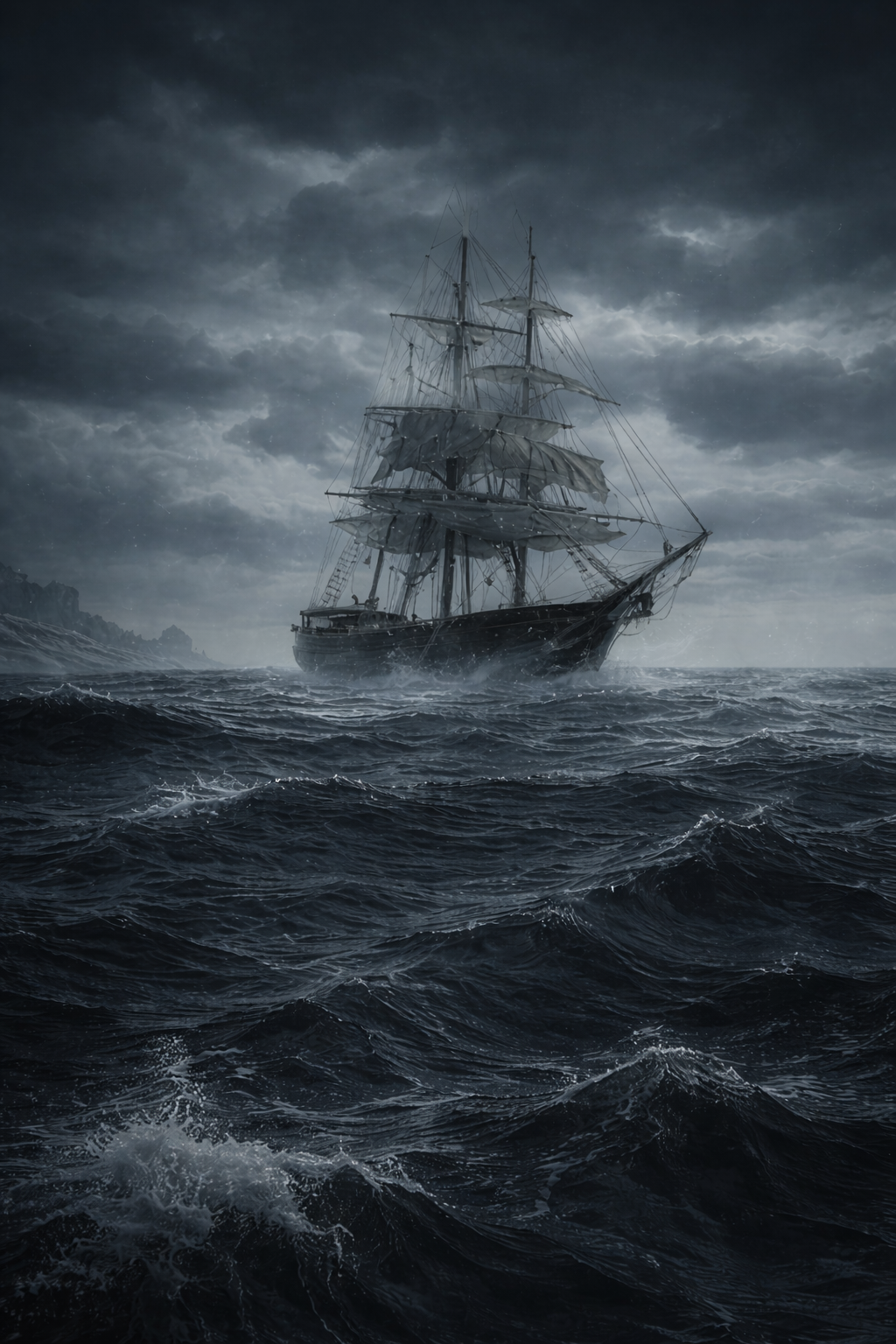
The Mary Celeste, originally constructed in Nova Scotia in 1861 and initially named the Amazon, was a merchant brigantine that departed New York on November 7, 1872, bound for Genoa, Italy. On board were ten individuals: Captain Benjamin S. Briggs, his wife Sarah, their two-year-old daughter Sophia, and seven experienced crew members. The ship's cargo comprised 1,701 barrels of denatured, industrial-strength alcohol.
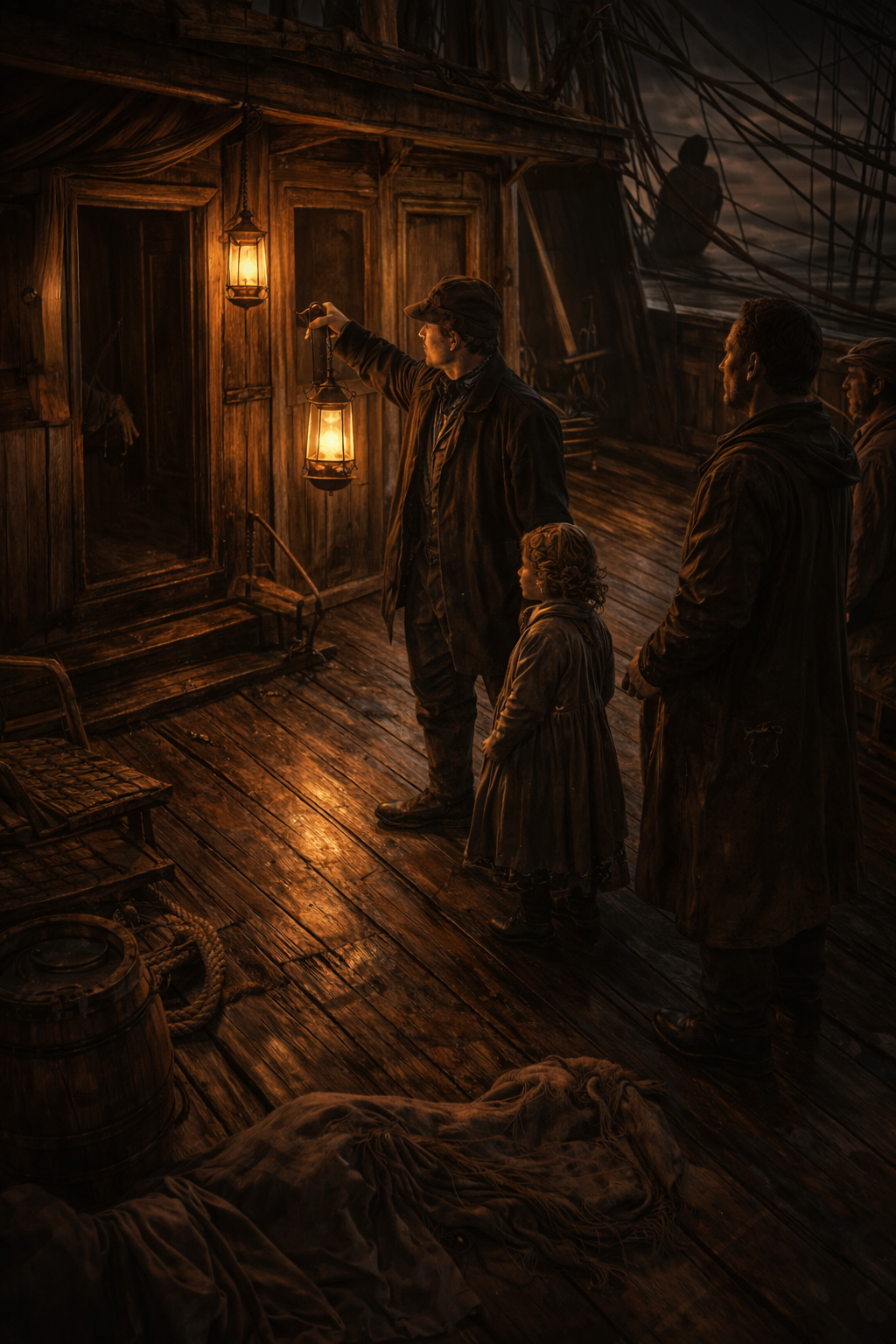
On December 4, 1872, the British ship Dei Gratia discovered the Mary Celeste drifting between the Azores and Portugal. The boarding party found the vessel completely abandoned yet fully seaworthy. Although the ship's single lifeboat, navigational instruments, and register were missing, the crew's personal belongings, clothing, and a six-month supply of food and water remained intact.
The hold contained approximately 3.5 feet of water, and one pump had been disassembled, yet there was no evidence of violence or foul play. The ten individuals aboard were never seen again. The ship was salvaged and continued to operate for twelve years until its final captain deliberately wrecked it on a reef in Haiti as part of an insurance fraud scheme. These constitute the established facts of the case.
Over time, sensationalised accounts and fictional narratives have significantly obscured the factual record of the Mary Celeste. Notably, Arthur Conan Doyle's 1884 short story, "J. Habakuk Jephson's Statement," was particularly influential, popularising the misspelling "Marie Celeste" and introducing fabricated details that were widely accepted as fact.
Persistent myths allege that the boarding party discovered warm tea, hot food on the stove, and a partially eaten breakfast. In reality, no food had been prepared, and the galley was described as a "wet mess." Additional false claims asserted that the ship was found under full sail with lifeboats still in place, or that bloody axes and swords were scattered throughout the vessel.
Subsequent scientific analysis confirmed that the suspected "blood" on the captain's sword was actually harmless rust and iron citrate. The lack of definitive explanations contributed to the proliferation of conspiracy theories, including attacks by giant squids or sea monsters, waterspouts, alien abductions, and mutinies allegedly fueled by the alcohol cargo, despite the fact that the denatured alcohol was toxic and undrinkable.
Maritime Law and Salvage Suspicion
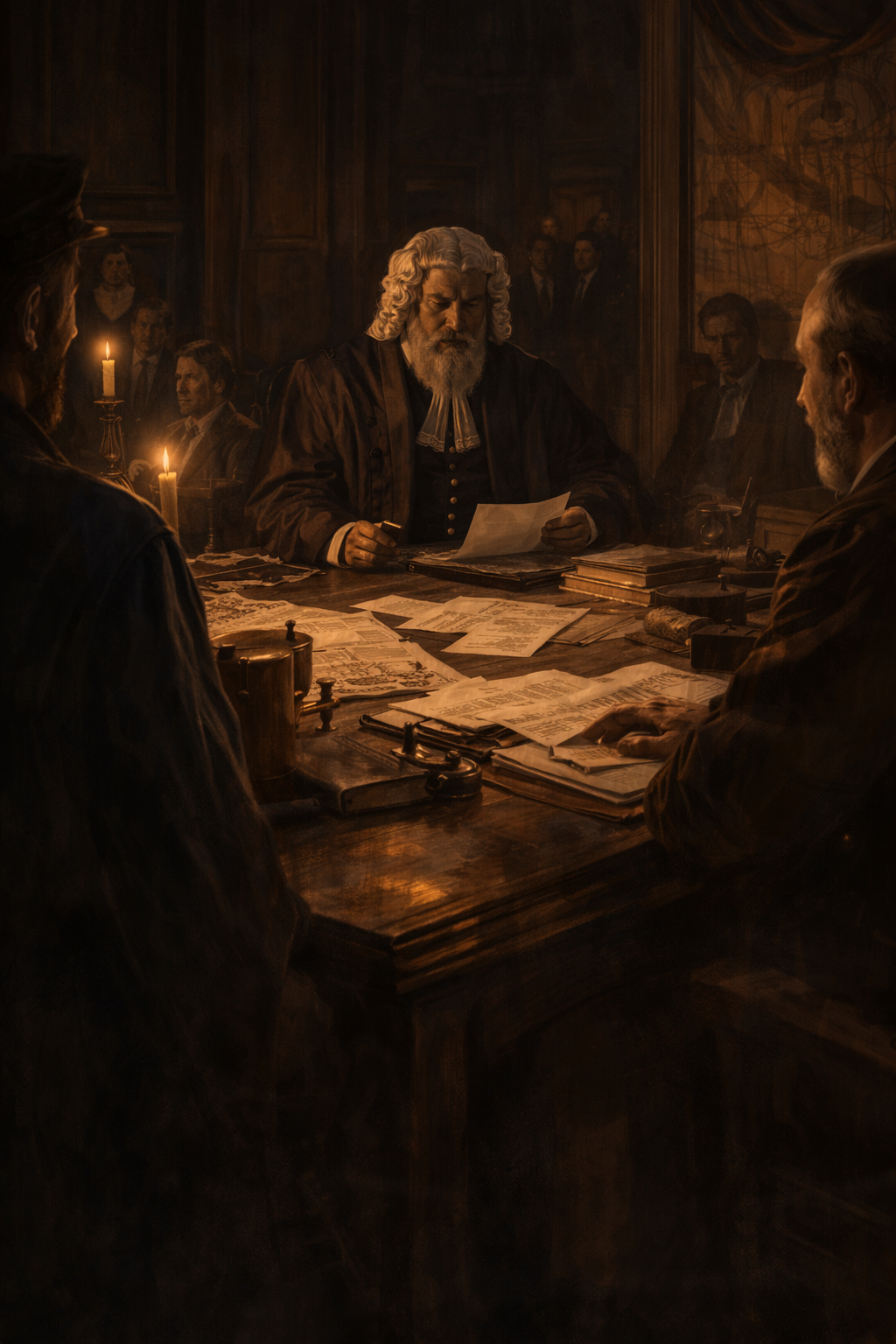
Under nineteenth-century maritime law, the crew of a rescuing ship was entitled to a substantial salvage award, typically a significant percentage of the combined value of the rescued vessel and its cargo, depending on the degree of danger involved in the recovery. When the crew of the British brigantine Dei Gratia discovered the abandoned Mary Celeste in December 1872, they divided their already small crew and sailed the derelict ship 800 miles to Gibraltar to claim these salvage rights. However, rather than receiving a straightforward payout, the rescuers faced extensive legal scrutiny and deep suspicion.
The salvage hearings began in the Vice-Admiralty Court of Gibraltar, led by Frederick Solly-Flood, the Attorney General of Gibraltar. Instead of regarding the Dei Gratia crew as heroic salvors, Solly-Flood immediately suspected them of foul play. Given that the Mary Celeste and its cargo of industrial alcohol were heavily insured for $46,000, Solly-Flood theorised that the salvage claim was the result of a premeditated crime.
During the proceedings, several theories were proposed to explain the disappearance of the ten individuals aboard. One prominent suspicion was that Captain David Morehouse of the Dei Gratia had ambushed the Mary Celeste, lured Captain Briggs and his crew aboard his own ship, murdered them, and then towed the empty vessel into port to claim the salvage reward. Another theory suggested that Briggs and Morehouse had conspired to stage the abandonment in order to divide the salvage payout. Solly-Flood actively sought evidence to support these theories of violence or mutiny, referencing a corroded sword he believed to be bloodstained and marks on the ship's bow he suspected were caused by an axe.
Ultimately, the physical evidence did not support the court's suspicions. Scientific testing demonstrated that the suspected "blood" was actually harmless iron citrate, and naval experts concluded that the marks on the bow resulted from the natural action of the sea. After a three-month investigation, the court was unable to produce any evidence indicating that a crime, mutiny, or fraudulent conspiracy had taken place.
Although the Dei Gratia crew was cleared of legal wrongdoing, the court's doubts persisted. The chief justice awarded them only £1,700, approximately one-fifth to one-sixth of the total value of the ship and cargo. This unusually low payout indicated that the authorities remained unconvinced of the rescuing crew's innocence, which permanently damaged their reputations.
While the 1872 salvage claim was legitimate, the Mary Celeste ultimately became the subject of an actual maritime crime. In 1885, her final captain deliberately wrecked the vessel on a reef in Haiti to collect on a heavily over-insured, worthless cargo, committing a crime in maritime law known as barratry.
The Alcohol Vapour Theory
The alcohol vapour theory, also referred to as the explosion theory, is regarded as one of the most plausible scientific explanations for the abandonment of the Mary Celeste. The vessel was transporting 1,701 barrels of highly flammable industrial alcohol. Upon unloading in Genoa, it was discovered that nine barrels were empty. This leakage has been attributed to the fact that these nine barrels were constructed from porous red oak, while the remainder were stored in watertight white oak barrels. As a result of the porous wood and the heat near the Azores, noxious alcoholic fumes began to accumulate in the tightly packed cargo hold.
Because the hold had been sealed for weeks to withstand harsh conditions, there was no ventilation to disperse the trapped, explosive fumes, creating a significant risk. For many years, critics argued against the explosion theory, noting that the boarding party found no soot or scorch marks aboard the ship. In 2006, Dr Andrea Sella, a chemist at University College London, addressed this issue by constructing a scale model of the ship's hold and igniting butane gas. The experiment demonstrated a "pressure-wave" explosion, which produced a brief ball of flame followed by a rush of cool air. Due to the rapid combustion, no fire damage, soot, or scorch marks were left behind.
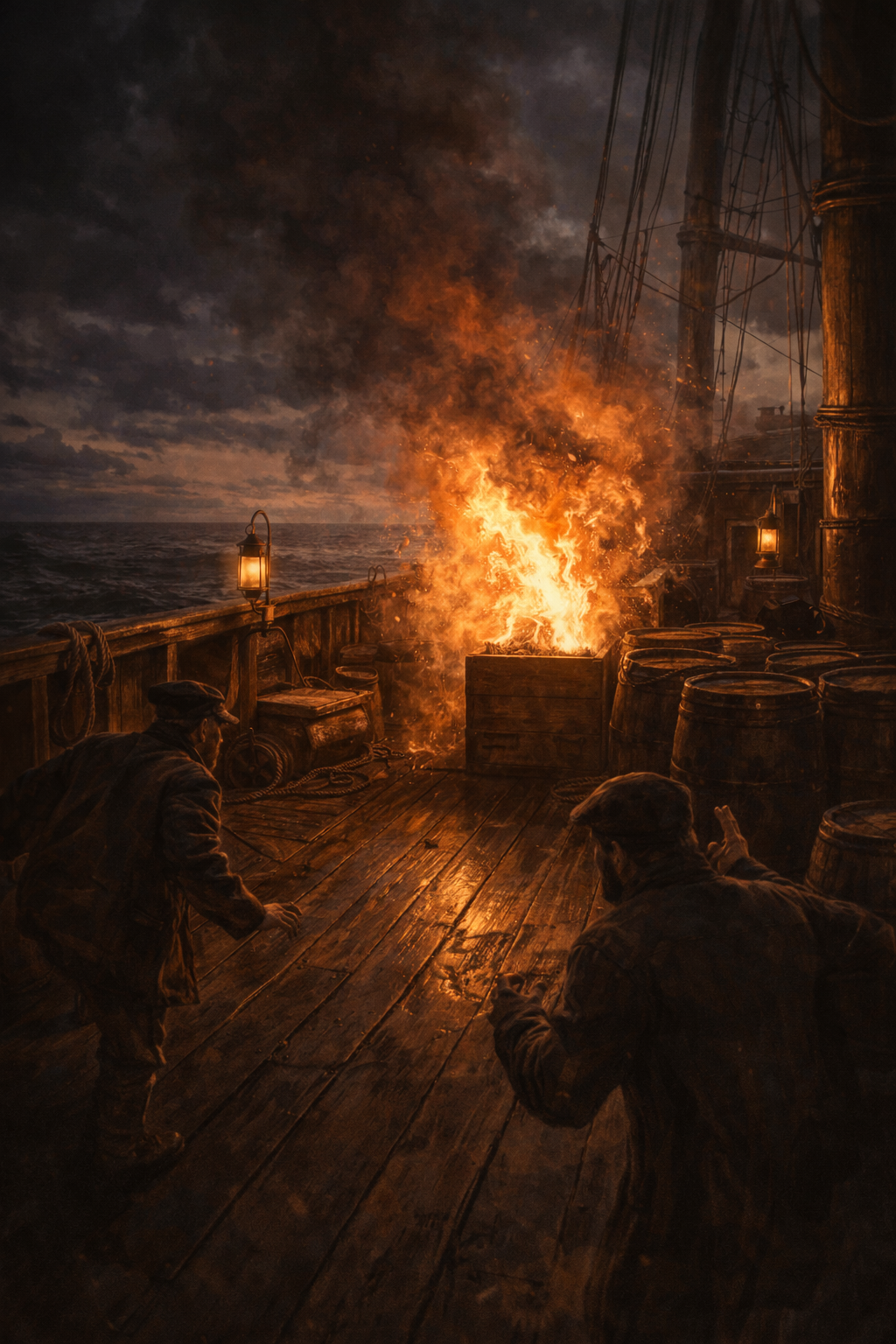
Whether a pressure-wave explosion actually occurred when a crew member went belowdecks with an open flame, or Captain Benjamin Briggs simply heard ominous sounds and detected leaking fumes, historians agree that he likely feared the ship was at imminent risk of an explosion. This fear probably led him to order a temporary evacuation. The crew would have boarded the ship's small yawl, tethering it to the Mary Celeste with the main halyard, intending to remain at a safe distance until the vapours dissipated or the danger subsided. Unfortunately, while they waited, a sudden squall or shift in the wind likely caused the unguided ship to surge forward and break the towline. The boarding party from the Dei Gratia later found the heavy halyard broken and hanging over the side, indicating that the crew had been left adrift in an overloaded boat while their seaworthy ship sailed away.
The Psychology of Abandonment
To understand the psychology behind the abandonment of the Mary Celeste, it is essential to discard the myths of madness, mutiny, or paranormal intervention and look at the intense mental strain placed upon the ship's commander. Captain Benjamin Briggs was widely known as a level-headed, highly respected, and experienced master mariner. Given his extensive background, historians and maritime experts agree that he would never have ordered an evacuation without a compelling, rational reason. The psychological trigger for the abandonment was not a sudden descent into irrational panic, but rather a tragic miscalculation born from a "perfect storm" of misinformation, exhaustion, and an overwhelming protective instinct.
The psychological toll on Captain Briggs and his crew began accumulating well before the evacuation. For over two weeks, the Mary Celeste endured harsh Atlantic storms and severe weather, leaving the crew physically exhausted and mentally fatigued. This psychological strain was compounded by a profound sense of disorientation. Modern researchers, analysing the ship's logs and historical weather data, have concluded that Briggs's chronometer was likely inaccurate, placing him approximately 120 miles west of his actual position. According to his calculations, Briggs should have sighted land three days earlier than he did. This prolonged uncertainty and navigational frustration likely undermined his confidence and heightened his vigilance.
Amid this exhaustion and disorientation, Briggs confronted two significant perceived threats to his vessel. The first was the psychological distress caused by the fear that the ship was rapidly sinking. The Mary Celeste had recently undergone extensive repairs and had previously transported coal, leaving coal dust and construction debris that likely clogged the ship's mechanical pumps. With one pump disassembled for repairs and the cargo hold packed so tightly with barrels that visual inspection of the bilge was impossible, Briggs was forced to rely on a makeshift sounding rod in turbulent seas. This likely produced a misleading measurement of the water in the hold. Unable to accurately assess the extent of the flooding, he may have mistakenly concluded that the ship was foundering.
At the same time, the ship's cargo posed a significant psychological threat. The Mary Celeste was transporting 1,701 barrels of highly volatile industrial alcohol, and nine of these barrels, constructed from porous red oak, had been slowly leaking noxious fumes into the sealed hold. Whether a minor "pressure-wave" explosion occurred or Briggs detected overwhelming fumes and ominous sounds, the psychological impact would have been considerable. Believing he was aboard a "floating bomb," even an experienced captain would have perceived the situation as an imminent catastrophe.
Ultimately, the decisive psychological factor was likely the presence of Briggs's family. Travelling with his wife, Sarah, and his two-year-old daughter, Sophia, Briggs's protective instincts would have been heightened, making him more risk-averse than if he had been sailing solely with a crew of experienced sailors. When the island of Santa Maria appeared on the horizon, it served as a psychological beacon. Believing his ship was either sinking or at risk of explosion, the proximity of land made a temporary evacuation into the ship's small lifeboat appear to be the most responsible and logical choice to protect his family. Unfortunately, this cautious decision left them in a vulnerable yawl that became separated from the seaworthy Mary Celeste, exposing them to the dangers of the open ocean.
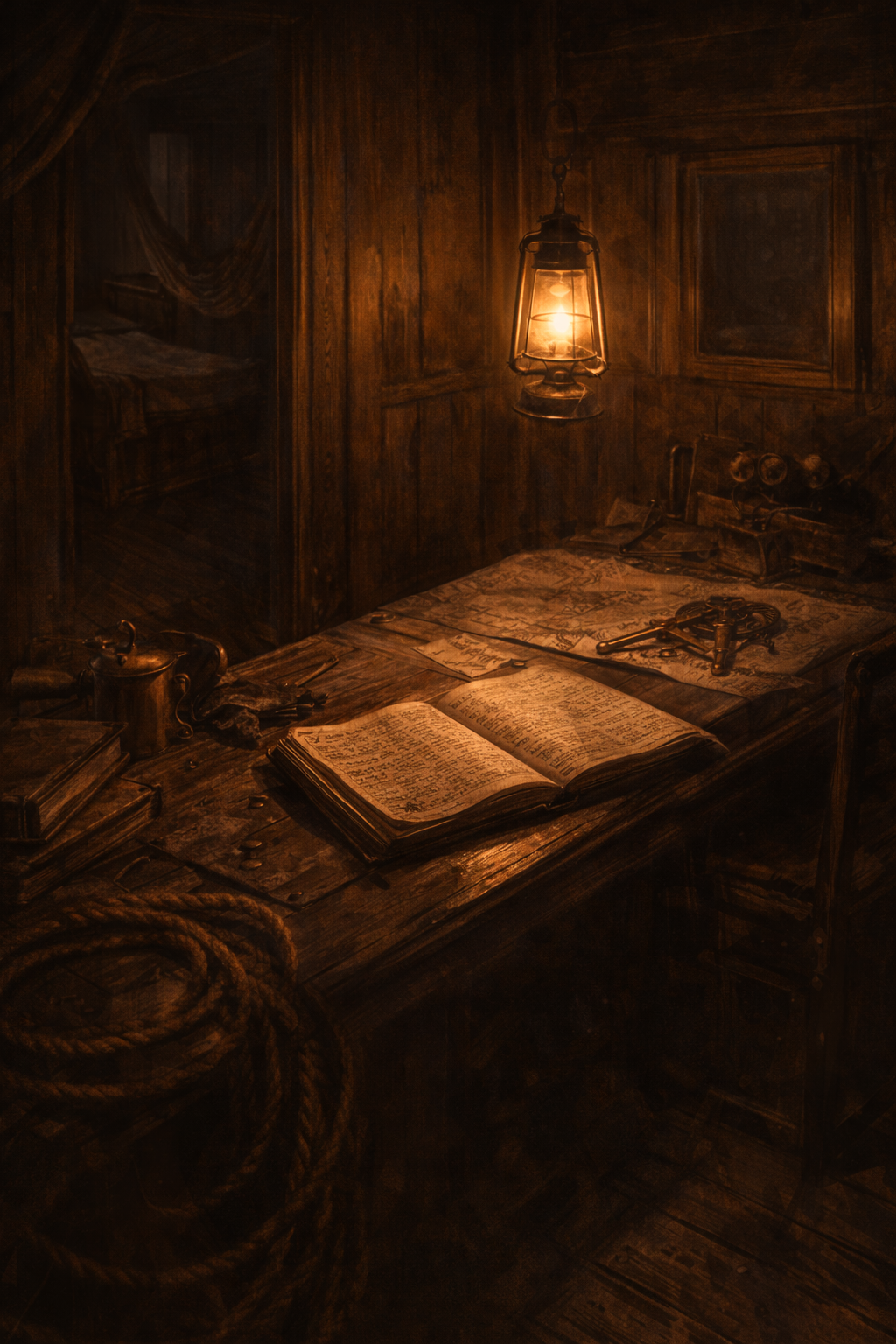
Myth-Making: The Evolution of the Mary Celeste Narrative
The transformation of the Mary Celeste from a maritime tragedy into a legendary "ghost ship" illustrates how historical myths are constructed and propagated through popular media. This embellishment began as early as June 1883, when the Los Angeles Times published an article falsely claiming the ship was found in pristine condition, with "every sail set," a fire burning in the galley, and a dinner "untasted and scarcely cold." The most significant catalyst for the myth was Arthur Conan Doyle, who, at age 25, published the short story "J. Habakuk Jephson's Statement" anonymously in the Cornhill Magazine in 1884. Doyle’s sensationalised fiction, which renamed the vessel the Marie Celeste and introduced a narrative of racial vengeance and murder, was so persuasive that both the public and a U.S. government official accepted its fabricated details as fact. This narrative supplanted the reality of the ship's flooded hold, damaged sails, and missing lifeboat with the enduring image of an untouched vessel whose crew vanished without explanation. The success of Conan Doyle's story led to a cottage industry of hoaxes and fake "survivor" accounts sprouting in the early 20th century. In 1913, The Strand Magazine published the fabricated account of "Abel Fosdyk," claiming the crew had built a temporary platform to watch a swimming contest, which subsequently collapsed, leaving everyone to drown or be eaten by sharks. In the 1920s, an Irish writer named Laurence J. Keating successfully perpetrated a literary hoax, a complex tale of madness and collusion, which was widely reported by major newspapers. Another tale, published in the Daily Express in 1924, claimed the crew came across an abandoned steamer containing £3,500 in gold and decided to abandon the Mary Celeste to start new lives in Spain. Because these stories appeared in reputable publications, readers were easily fooled by the "magic of print," allowing fiction to completely overshadow historical analysis.
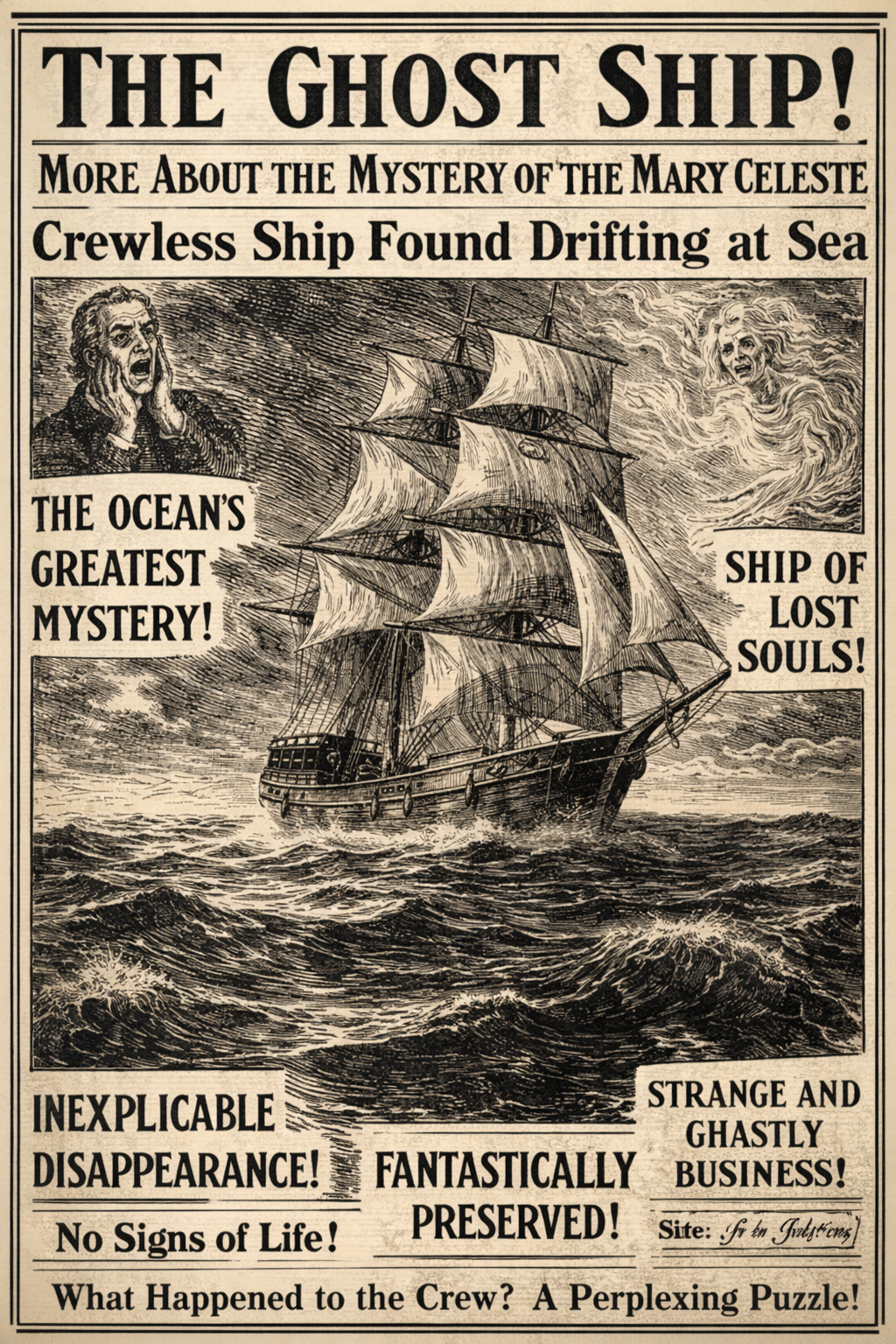
Over time, the myth expanded beyond rogue sailors to encompass cinema, the supernatural, and the paranormal. In 1935, the story was adapted into a British film (released as Phantom Ship in the United States) featuring Bela Lugosi as a homicidal sailor who murders the crew, further reinforcing the association between the ship and fictional horror. As mundane or criminal explanations lost their appeal, conspiracy theorists introduced increasingly fantastical phenomena to explain the mystery. The ship's fate was attributed to attacks by giant squids, alien abductions, the lost continent of Atlantis, and the Bermuda Triangle, despite the vessel being found near Europe, far from the Triangle. Ultimately, the true fate of the Mary Celeste was obscured by a century of layered fictions, transforming a probable case of human error into the quintessential unsolved maritime enigma.
The Enduring Silence at Sea
When the boarding crew from the Dei Gratia first stepped onto the deck of the Mary Celeste on December 4, 1872, they encountered an uncanny silence that has echoed through maritime history for more than a century. The scene was perplexing: the vessel remained seaworthy, stocked with a six-month supply of food and fresh water, the crew's personal belongings undisturbed, and the cargo intact, yet the ship was entirely devoid of human life. The ten individuals who had departed from New York—including Captain Benjamin Briggs, his wife, their two-year-old daughter, and seven experienced seamen—had apparently vanished without a trace. Despite extensive investigations, no definitive evidence of their fate was ever discovered, leaving an enduring silence.
The principal tragedy of the Mary Celeste does not stem from supernatural explanations, but rather from the likelihood of a fatal, rational miscalculation. Modern researchers and nautical experts generally concur that Captain Briggs ordered a panicked, temporary evacuation. Whether motivated by the threat of explosion from leaking red-oak barrels of industrial alcohol or misled by a clogged pump and faulty chronometer into believing the ship was foundering, the captain acted to protect his family and crew. The group likely boarded the ship's 18-foot yawl, tethering it to the Mary Celeste with the main halyard to wait out the perceived danger. In a tragic turn, a sudden squall likely caused the unguided ship to surge forward, snapping the towline. The ten occupants of the small, overloaded lifeboat were left adrift, forced to watch as their seaworthy ship sailed away, leaving them at the mercy of the Atlantic.
Over time, the authentic human tragedy was increasingly eclipsed by sensationalism and myth-making. The inconclusive Gibraltar salvage hearings, led by an Attorney General intent on establishing mutiny or conspiracy, introduced early scepticism. Subsequently, writers such as Arthur Conan Doyle published embellished narratives involving racial vengeance, untouched meals, and bloody weapons. The public readily accepted these fabrications, preferring stories of giant squids, alien abductions, and pirates to the more plausible scenario of a broken towline. Consequently, the Mary Celeste became emblematic of the ghost ship phenomenon.
Ironically, the vessel that withstood natural forces ultimately succumbed to human avarice. For twelve years after the 1872 incident, the Mary Celeste was regarded as an ill-fated or cursed ship, consistently incurring financial losses for her owners. The narrative concluded in January 1885, when her final captain, Gilman C. Parker, intentionally grounded her on the coral reef at Rochelais near Haiti. Parker had loaded the ship with worthless cargo, such as rubber boots and cat food, to perpetrate insurance fraud. The vessel did not sink entirely, thereby exposing the scheme and damaging Parker's reputation, while the Mary Celeste gradually deteriorated in the tropical climate.
Today, the physical remnants of the Mary Celeste rest beneath the coral off the coast of Haiti, while its legend endures. The mystery persists because it embodies humanity's enduring fears of the unknown and the ocean's immense, indifferent power. The precise words and emotions of those final moments aboard the lifeboat remain unknown. The sea claimed the captain, his family, his crew, and the truth of their last hours, ensuring that the enigma of the Mary Celeste will continue to intrigue future generations.
References
Blumberg, J. (2007, November). Abandoned ship: The Mary Celeste. Smithsonian Magazine. https://www.smithsonianmag.com/history/abandoned-ship-the-mary-celeste-174488104/
Briggs, J. F. (1944). In the wake of the Mary Celeste. Old Dartmouth Historical Sketches, (74).
De Kay, O. (1981, February/March). The mystery of the Mary Celeste. American Heritage, 32(2). https://www.americanheritage.com/mystery-mary-celeste
Dellonte, C. (2022, December 1). The mystery of the Mary Celeste. Aula di lingue.
dhwty. (2020, September 10). The mystery of the Mary Celeste: Crew vanishes from seaworthy ship. Ancient Origins. https://www.ancient-origins.net/unexplained-phenomena/mystery-mary-celeste-crew-vanishes-seaworthy-ship-002958
Dwyer, K. (2024, July 8). The mysterious tale of the Mary Celeste: What happened? TheCollector. https://www.thecollector.com/mary-celeste-mysterious-tale-ghost-ship/
English, J., & Hattikudur, M. (2024, March 21). The unsolved mystery of the 'Mary Celeste'. Mental Floss. https://www.mentalfloss.com/history/mystery/decks-mary-celeste-december-1872
A forensic and historical analysis of the Mary Celeste: The archetype of maritime mystery. (n.d.).
Interactive Systems. (2026). The Mary Celeste - Facts not fiction. Maryceleste.net. https://www.maryceleste.net/
National Underwater and Marine Agency. (2001, August 9). Mary Celeste. https://numa.net/expeditions/mary-celeste/
New England Historical Society. (n.d.). The Mary Celeste: A mystery solved by everyone (just never correctly). https://newenglandhistoricalsociety.com/mysterious-disappearance-mary-celeste/
Olivier, D. (2024, December 18). Of ghost ships and giant squid. Ghost Mail. https://www.ghostmail.co.za/of-ghost-ships-and-giant-squid/
Professor Buzzkill. (2017, February 1). The Marie Celeste. Professor Buzzkill History Podcast.
Roach, J. (2020, February 23). Could weather hold the secret to history's greatest ghost ship mystery? AccuWeather. https://www.accuweather.com/en/weather-news/ghost-ship-mystery-does-weather-hold-secret-to-fate-of-mary-celeste/685700
Sheposh, R. (2023). Mary Celeste mystery. EBSCO Research Starters.
Wright, E. (2025, January 18). Secrets of the deep: What is the history of the Mary Celeste? TheCollector. https://www.thecollector.com/history-of-the-mary-celeste-ship/