The Shadow of Cold War: The Architecture of Suspicion.
Following the Japanese attack on Pearl Harbour in 1941, the United States recognised that geographic distance no longer guaranteed protection from enemy assaults. Consequently, American policymakers resolved that the United States must maintain military forces superior to those of any other nation and sought to prevent adversaries from dominating Europe or East Asia. The German invasion of the Soviet Union in 1941 resulted in over 20 million Soviet casualties. Given previous invasions by Napoleon and Germany during World War I, Russia was compelled to prioritise border security to avert future threats. Although the capitalist United States and the communist Soviet Union allied during World War II, their ideological differences quickly led to the onset of the Cold War.
Academic historians and political scientists define the Cold War as an intense, long-term interstate rivalry (roughly 1947–1991) between the United States and the Soviet Union, identified by the absence of direct, large-scale combat between the two superpowers. It was an ideological conflict between the capitalist Western Bloc and the communist Eastern Bloc that manifested as strategic tensions, proxy wars, nuclear arms races, propaganda, and economic competition. It was prevented from escalating into direct military engagement primarily by the doctrine of mutually assured destruction (MAD).
This period is often viewed from three main perspectives: the Orthodox school blames Soviet actions, the Revisionist school blames American capitalism, and the post-revisionist school focuses on both sides making communication errors. Described by scholars as a smaller form of war and as an example of uneasy peace, the Cold War involved the deployment of vast resources to gain global power and weaken opponents, all without triggering nuclear war. Cold War events still shape world relations today; their effects are evident in the collapse of countries, shifts in alliances, and conflicts that continue to cause instability and violence worldwide.
The rapid and enigmatic dissolution of the Soviet Union in 1991 signified the conclusion of the Cold War. Mikhail Gorbachev, the final Soviet leader, advocated for a more open and reformed Soviet Union, envisioning its integration into a broader European framework, which he termed the "common European home." This concept promoted close cooperation between the Soviet Union and the European Community as the Cold War ended; however, subsequent developments diverged from Gorbachev's aspirations. The disintegration of the Soviet Union did not result in a new European order inclusive of Russia. Instead, alliances expanded rapidly and in unexpected directions. Consequently, both the Cold War and its aftermath have generated enduring tensions between the Western world and Russia.
The War That Never Fully Ended
The outcomes of the Cold War fundamentally shaped the paths of both the United States and the Soviet Union. Specifically, the collapse of the Soviet Union ended both Soviet socialism and the Russian Empire. As a result, the conclusion of the Cold War had a dual impact on international relations. On the one hand, the Soviet military withdrawal from Eastern Europe and the developing world enabled states previously under Marxist regimes to begin democratising, thereby contributing to the resolution of several longstanding conflicts. Additionally, the reduction in East-West tensions led to fewer interstate conflicts, many of which had started due to superpower ideological rivalry. Despite these developments, some commentators argued that the utility of military force in international politics had declined.
Conversely, it would be inaccurate to call the post-Cold War world peaceful. After the Soviet Union's collapse, new or revived conflicts emerged in regions that had been stable during the Cold War. Specifically, some conflicts appeared within the former Soviet Union, such as the war between Armenia and Azerbaijan over Nagorno-Karabakh and the conflict in Chechnya. Meanwhile, conflicts also erupted or intensified in countries outside the former Soviet sphere. Furthermore, many ongoing disputes in the developing world persisted despite the end of superpower involvement.
Conflicts in the developing world during the Cold War were exceptionally destructive. Strategies frequently targeted rural populations, employing deprivation of food and water rather than direct military engagement. The primary objective was often the destruction of lives rather than property. In regions such as Kurdistan, Guatemala, Vietnam, Angola, and Ethiopia, rural communities were forcibly displaced, compelled to submit or face starvation. Even after hostilities ceased, governments continued to exert pressure on peasant populations. Actions described as mismanagement or indifference by the International Monetary Fund (IMF) and World Bank in the late 1980s were, in many cases, deliberate attempts to weaken resistant communities by destroying essential resources. At the conclusion of the Cold War, approximately one in four individuals resided in areas with improved living standards; currently, this figure has declined to less than one in six. The disparity continues to widen, making it increasingly improbable that a shrinking privileged minority can sustain global dominance through economic, political, and military means.
American interventions in developing nations have generally produced adverse outcomes. Rather than facilitating positive transformation, these actions have frequently destabilised societies and heightened the risk of future crises. Although the United States achieved stable growth and democratic development in South Korea and Taiwan, comparable successes are lacking in approximately 30 other countries in which it has intervened, either directly or indirectly, since 1945. Both allied and opposing states have experienced significant suffering. In numerous affected regions, landmines and other remnants of conflict continue to pose dangers to future generations.

The Global Order Shaped by the Cold War
The Cold War represented a significant transformation in international relations, and understanding its global impact requires examining how it structured competing alliances. Its influence extended to every region of the world, either directly or indirectly. The post-World War II ascendancy of the Soviet Union was substantial and critically important to its Eastern European allies, collectively referred to as the communist bloc. This bloc also included the People’s Republic of China and member states such as Albania, Bulgaria, Czechoslovakia, East Germany, Hungary, Poland, Romania, and Yugoslavia. The Communist Bloc established a Soviet "sphere of influence," employing various mechanisms to shape developments and assert control over other nations and territories. After Yugoslavia's expulsion in 1948 and Albania's withdrawal in 1961, the remaining countries continued to prioritise trade with the Soviet Union, align their military and foreign policies accordingly, and receive significant economic and humanitarian assistance. The bloc's activities were most prominent during the Cold War.
Single-party communist governments facilitated Soviet expansion and the maintenance of the communist bloc. At the onset of the Cold War, Europe did not uphold the principles established at the wartime conferences of Yalta and Potsdam. During the 1945 Yalta Conference, Soviet leader Joseph Stalin pledged to hold free and fair democratic elections in Eastern Bloc countries liberated by the Red Army. However, instead of honouring this commitment, Stalin supported the takeover of these countries by local communist parties and Soviet forces, aiming to restructure their governments and economies along Stalinist lines. The formation of the Communist Bloc, also referred to as the Eastern Bloc, was intended to protect the Soviet Union and advance its military interests by creating a buffer zone. A buffer zone is an area that separates hostile forces and prevents infiltration. This arrangement was designed to shield the Soviet Union from potential US invasions and to counter the objectives of the North Atlantic Treaty Organisation (NATO).
In addition to Soviet expansion and the establishment of the communist bloc, rival security alliances significantly influenced the postwar international order. The North Atlantic Treaty Organisation (NATO) is a security alliance formed on 4 April 1949 among the United States, Canada, and Western European nations to counter the Soviet Union. Member states agreed to mutual defence against external attacks. Headquartered in Brussels, Belgium, NATO currently comprises 28 members, with Albania and Croatia joining in 2009. Additionally, 22 countries have joined the Partnership for Peace, and 15 participate in dialogue programs. Initially established as a political association, NATO became increasingly militarised during the Korean War under the leadership of US Supreme Commanders.
The Warsaw Pact, formally known as the Warsaw Treaty of Friendship, Cooperation, and Assistance, was established in 1955 as a political-military alliance among Communist Bloc countries, including the Soviet Union, Albania, Poland, Czechoslovakia, Hungary, Bulgaria, Romania, and East Germany. The Soviet Union exercised significantly greater control over the Pact's decisions and structure than NATO members exercised within their alliance. Member nations of the Warsaw Pact had no authority over nuclear weapons or key military commands. Although the Soviets asserted the existence of a unified command, they maintained dominant authority over military operations. This arrangement further entrenched the division between East and West, shaping security dynamics for decades.
Before these developments, the Yalta Conference was held in early 1945 in Yalta (modern-day Crimea) by the heads of state of the United States, Britain, and the USSR—Roosevelt, Churchill, and Stalin. This conference gave rise to the Yalta System, a term describing the international political order that prevailed after World War II. The Yalta System was characterised by the central roles of the United States and the USSR, with the Cold War for global hegemony unfolding. This system did not preclude wars in which the two superpowers participated directly or indirectly in local conflicts, such as the Korean War, the Vietnam War, and the Afghanistan War.
Distinguishing between direct and indirect conflicts requires examining proxy wars. Proxy warfare occurs when rival powers employ third parties to engage in conflict on their behalf, rather than confronting each other directly. Although governments have occasionally served as proxies, violent non-state actors, mercenaries, and other groups are more commonly utilised. The primary objective is to inflict damage on adversaries without escalating to full-scale war. These rival powers are typically major states with opposing ideologies and interests. Due to the potentially catastrophic consequences of direct large-scale conflict, such powers often wage proxy wars in developing regions to minimise their own risks while advancing their strategic objectives.
The primary impetus for proxy wars was the threat of nuclear holocaust, resulting in the doctrine of mutually assured destruction (MAD). The devastation caused by the atomic bombings of Hiroshima and Nagasaki instilled global fear regarding nuclear conflict. Consequently, the two nuclear-armed superpowers avoided confrontation, as it would likely have resulted in catastrophic nuclear war. Instead, both the United States and the Soviet Union sought to expand their spheres of influence worldwide, leading to numerous proxy wars, including those in Greece, Korea, Afghanistan, and notably Vietnam. The first proxy war occurred in Greece between communist and non-communist factions. The Korean War involved the United States supporting South Korea against the communist North, which received aid from the Soviet Union and China. The Vietnam War was fought between the American-backed South Vietnamese government and the Soviet and Chinese-backed North Vietnamese government. During the 1961 Bay of Pigs invasion, the United States attempted to use Cuban exiles to avoid direct military intervention in Cuba. In 1979, as the United States remained reluctant to engage in another war following Vietnam, it provided support and training to the Mujahedin in Afghanistan to oppose the Soviet invasion.
These proxy wars were strategic manoeuvres intended to expand one's own influence and limit the opposing superpowers' influence. This period was a critical testing ground for the development and evolution of intelligence tactics among the world’s superpowers. Espionage was a crucial tool used by both countries to gather intelligence, gain strategic advantages, and monitor each other’s activities. The Central Intelligence Agency (CIA) and the KGB (Komitet Gosudarstvennoy Bezopasnosti) were at the centre of such operations. Both used various intelligence-gathering techniques and methodologies during this period, which have had a permanent impact on modern intelligence communities. Espionage played a pivotal role in shaping intelligence gathering, and its impact is still evident in the current intelligence landscape.
Covert actions and strategic manoeuvres characterised this period of shadowy intrigue and high-stakes political competition, significantly influencing modern intelligence practices. These clandestine operations played a fundamental role in shaping international relations during the latter half of the twentieth century, as nations competed for ideological and military supremacy. The era witnessed the development of advanced surveillance techniques, the deployment of satellites for reconnaissance, and the refinement of cryptographic methods. It also prompted the establishment of specialised intelligence agencies and units dedicated to counterintelligence and counterespionage.
The 1960s and 1970s represented pivotal decades in the history of espionage between the United States and the Soviet Union. This period was marked by significant events, including the 1960 downing of American pilot Francis Gary Powers' Central Intelligence Agency (CIA) U-2 spy plane and the 1962 Cuban Missile Crisis, both of which had far-reaching implications for the superpowers and the global balance of power. The espionage tactics developed and employed during this era have had a profound and lasting impact on modern intelligence practices and strategies. Shaped by intense competition and technological advancements, these methods continue to influence contemporary intelligence gathering, analysis, and utilisation.

Alliances that are forgotten
While NATO was established to defend Western Europe, the Southeast Asia Treaty Organisation (SEATO) and the Central Treaty Organisation (CENTO) were created to extend deterrence into Asia and the Middle East. These alliances reflected the prevailing atmosphere of enduring suspicion characteristic of the era.
SEATO was established by the 1954 Manila Pact following the French defeat in the First Indochina War. Its membership included the United States, the United Kingdom, France, Australia, New Zealand, Pakistan, Thailand, and the Philippines. The alliance’s primary objective was to deter and, if necessary, counter conventional communist aggression from China and North Vietnam. SEATO’s Military Planning Office developed contingency plans for both limited conventional conflicts and counter-insurgency operations, and the alliance conducted large-scale joint military exercises. However, divergent political agendas among member states fundamentally undermined SEATO’s effectiveness. When communist insurgencies threatened Laos and South Vietnam, France and the United Kingdom resisted intervention, causing frustration for the United States and Thailand. Ultimately, the United States bypassed the incapacitated alliance to pursue unilateral military intervention in the Vietnam War, rendering SEATO irrelevant and leading to its formal dissolution in 1977.
CENTO originated from the 1955 Baghdad Pact in the Middle East. Turkey, already a NATO member, played a leading role in establishing this alliance with Iraq, Iran, Pakistan, and the United Kingdom to create a "northern tier" defence against Soviet expansion. Turkey functioned as the western anchor, protecting critical Middle Eastern oil reserves and preventing potential Soviet advances toward the Suez Canal and Africa. Unlike NATO, CENTO did not possess an integrated military command structure; instead, it relied on ad hoc contingency planning, bilateral agreements with the United States, and significant regional economic and infrastructure initiatives, such as railways and telecommunications connecting Turkey and Iran. CENTO’s decline began when Iraq withdrew after its 1958 revolution, prompting a change from the Baghdad Pact to CENTO. The alliance was further weakened by the United States’ refusal to join formally and by divergent security priorities among members, particularly Pakistan’s shift in focus toward its rivalry with India.
The Collapse That Resolved Less Than Anticipated
Following seventy years of ideological, political, and economic confrontation with Europe and the broader international community, the Soviet Union collapsed rapidly, culminating in its dissolution in 1991. Few anticipated this outcome, as the Soviet Union’s existence was widely regarded as a permanent fixture in international affairs. Politicians, scholars, and the public generally assumed that the Soviet Union might reform, become a more robust society, or move away from Stalinism, but would ultimately endure. Mikhail Gorbachev’s introduction of fundamental reforms—democratisation, liberalisation, and his policy of ‘new thinking’—brought significant structural changes to the communist system and ultimately precipitated the Soviet Union’s collapse.
When Mikhail Gorbachev took office in 1985, he was aware that any delay in launching a wide-ranging programme of domestic reform would have threatened the Soviet Union with a serious social, economic and political crisis. Inflexible and outmoded planning mechanisms, disincentives to enterprise and technological innovation, low productivity, high levels of waste, and the USSR’s limited integration into the world economy led to a dramatic domestic decline. Gorbachev was conscious of the linkage between domestic stability and international positioning. Therefore, he made it clear in 1984 that ‘only an intensive, fast- developing economy can ensure the strengthening of the country’s position in the international arena. Yet there is still no clear answer as to why the Soviet Union collapsed; every theory or explanation offered by people around the world is speculative and inconclusive.
The collapse of communist regimes in Eastern Europe and the dissolution of the Soviet Union ended the bipolar international system that had defined the Cold War, resulting in a predominantly unipolar order led by the United States, particularly in military and political spheres. Former adversaries, notably the Soviet Union and China, either collapsed or abandoned key ideological elements that had previously opposed the United States. Many states subsequently sought American military protection. The influence of the United States is especially evident in the Persian Gulf, Iraq, and the broader Middle East, where American armed forces have established a semi-permanent presence and maintain vigilance over Iran, Syria, and other perceived adversaries.
The dissolution of the Soviet Union was widely heralded as the advent of a "new world order" and the ultimate victory of Western liberal democracy. However, this event did not result in a decisive historical break. Instead of inaugurating an era of lasting peace and stability, the post-Cold War environment revealed that the underlying anxieties, strategic behaviours, and unresolved structures of the preceding fifty years persisted within the international system.
A central factor contributing to this lack of resolution was the persistence of a deeply ingrained "Cold War mentality." Rather than embracing cooperative global engagement, former adversaries maintained entrenched strategic suspicions. In the West, the conclusion of the Cold War was perceived as a definitive victory, prompting the rapid eastward expansion of NATO into territories that had been within the Soviet sphere of influence. Russian elites, experiencing a profound loss of superpower status, interpreted this expansion not as a benign security initiative but as a hostile encirclement that threatened national security. As a result, Russia reverted to traditional great-power strategies and nationalist ambitions, continuing to interpret international relations through the zero-sum framework characteristic of the bipolar era.
Additionally, the most perilous unresolved legacy of the Cold War—mutual nuclear deterrence—remained intact. Although arms control agreements reduced the overall number of nuclear weapons, both the United States and Russia continued to base their military doctrines on nuclear deterrence, maintaining thousands of active and modernised warheads. This ongoing nuclear standoff ensured that the existential threat of mutually assured destruction, along with the associated psychological anxiety, persisted as a structural feature of international relations.
Geopolitically, the Soviet collapse created a significant power vacuum that Russia sought to fill, maintaining its traditional imperial strategies. Rather than integrating into a European framework, Russia leveraged its substantial energy resources, particularly its control over oil and gas pipelines, to exert economic pressure on former satellite states. When such measures proved ineffective, Russia resorted to military intervention to preserve a buffer zone of relatively weak states, as evidenced by its involvement in conflicts in Georgia, Moldova, and later Ukraine. This assertive pursuit of a sphere of influence indicated that territorial disputes in Eastern Europe and the Caucasus remained unresolved.
The collapse of the Soviet system unleashed a resurgence of longstanding ethnic, religious, and nationalist tensions that had been suppressed under authoritarian communist rule. The retreat of centralised Soviet authority directly triggered violent ethnopolitical conflicts and civil wars throughout the former Soviet territories and along its borders, including severe violence in Chechnya, Nagorno-Karabakh, and the Balkans. Domestically, Russia did not transition into a stable, law-based democracy; instead, it evolved into a kleptocratic, authoritarian regime characterised by a constructed ideology of "sovereign democracy" and the use of state-controlled media, xenophobia, and anti-Western propaganda reminiscent of Soviet practices.
Ultimately, the Soviet collapse did not erase the geopolitical friction of the 20th century. By leaving the arsenals of nuclear deterrence intact, validating old imperial impulses, and unfreezing dormant nationalist hostilities, the end of the USSR merely shifted the world from a predictable bipolar standoff into a more complex, volatile era that bore all the hallmarks of a "New Cold War".

Persistence of Alliances Beyond the Cold War
The dissolution of the Soviet Union and the Warsaw Pact in 1991 ostensibly removed the primary adversary that Western security structures were designed to contain. Nevertheless, the conclusion of the Cold War did not lead to the dismantling of these entrenched systems. Rather, the alliances, military deployments, and strategic doctrines that characterised the bipolar era adapted to the emerging unipolar context, thereby ensuring the persistence of Cold War security architectures beyond the conflict.
The North Atlantic Treaty Organisation (NATO) exemplifies the enduring nature of Cold War-era institutions. Following the collapse of the Soviet Union, initial optimism emerged that adversarial military alliances could be supplanted by collective security arrangements, potentially through a strengthened United Nations or the Organisation for Security and Co-operation in Europe (OSCE).
However, this vision was not realised. Rather than evolving into a broader, inclusive pan-European security structure similar to Mikhail Gorbachev’s concept of a "common European home," NATO redefined its mission and expanded eastward. This expansion was motivated both by former Eastern Bloc states seeking integration with the West and by US arms manufacturers pursuing new markets. The accession of Warsaw Pact nations such as Poland, Hungary, and the Czech Republic in 1999, followed by the inclusion of former Soviet republics like the Baltic states, structurally reinforced the historical East-West divide. Additionally, NATO extended its mandate beyond collective territorial defence, adopting new missions centred on conflict prevention and crisis management. The alliance conducted out-of-area operations, including armed interventions in the Balkans during the 1990s and the 1999 bombing of Yugoslavia. These actions alienated Russia and indicated that NATO was actively seeking new rationales for its continued prominence.
The physical infrastructure of Cold War alliances also persisted beyond the conflict. During the bipolar era, the United States established an extensive global network of military bases, including Clark Air Force Base and Subic Bay in the Philippines, to project power and deter communist expansion. In the post-Cold War period, rather than dismantling this infrastructure, the United States repurposed it to sustain a global garrison presence. The rationale for extended deterrence was applied to new regions, with American military forces establishing semi-permanent positions in the Persian Gulf and the Middle East. Thousands of soldiers were deployed to monitor perceived adversaries, including Iran and Syria. The United States reinforced these official and informal alliances by investing in permanent basing infrastructure, conducting joint military exercises, and offering preferential arms sales, thereby ensuring its continued role as the principal arbiter of international security.
Underlying these physical and institutional structures was a strategic planning mindset rooted in Cold War assumptions. After the Soviet collapse, there were widespread calls for a "peace dividend" to redirect substantial defence budgets toward social and environmental priorities. Instead, Pentagon planners shifted focus from the Soviet threat to the dangers of "uncertainty," emphasising hypothetical worst-case scenarios, rogue states, and asymmetric warfare. The 1997 US Quadrennial Defence Review exemplified this enduring Cold War mentality by requiring that US forces be capable of fighting and winning two major theatre wars nearly simultaneously, a demanding posture in the absence of a rival superpower. As a result, US military expenditure remained at approximately 77% of its Cold War average, perpetuating a continuous arms race against perceived threats.
Nuclear deterrence, the foundational element of Cold War strategic planning, was never abandoned. Although international treaties significantly reduced the number of deployed nuclear warheads, major powers did not pursue complete nuclear disarmament. The United States, Russia, and other nuclear-armed states transitioned from a posture of immediate existential conflict to "recessed general deterrence," maintaining large arsenals as a safeguard against unpredictable future power shifts. The ongoing modernisation of nuclear forces, along with the development of advanced missile defence systems, indicated that the logic of mutually assured destruction had adapted rather than disappeared. By preserving NATO, sustaining a global network of bases, and adhering to threat-centric defence doctrines, post-Cold War policymakers ensured that the institutional legacy of the twentieth century would continue to shape the security landscape of the twenty-first.

The Enduring Presence of the Nuclear Shadow
The conclusion of the Cold War did not consign nuclear weapons to obsolescence. Instead, the logic of deterrence persisted as a central element in international politics, adapting to a more complex and multipolar global order. Nuclear weapons continued to serve as the primary currency of global power and prestige, shaping the behaviour of major powers and functioning as the ultimate guarantor of national survival. The psychological basis of deterrence, which involves influencing an adversary's cost-benefit analysis through the fear of unacceptable retaliation, has remained as relevant in the twenty-first century as it was during the era of bipolar superpower rivalry.
Instead of pursuing comprehensive nuclear disarmament, established nuclear powers—particularly the United States and Russia—opted to maintain and modernise their extensive arsenals. The dynamic between these former adversaries evolved into a form of "recessed general deterrence," wherein thousands of operational warheads are retained as a safeguard against future uncertainties and potential shifts in power. Rather than diminishing the relevance of nuclear weapons, both states revised their military doctrines to broaden the circumstances under which nuclear force might be employed. Russia, confronted with a significant decline in conventional military capabilities, officially rescinded its Soviet-era "no first use" policy in 1993. Moscow increasingly adopted an "escalate to deescalate" strategy, reasoning that the threat or limited use of nuclear weapons could compel a favourable resolution to conventional conflicts. Concurrently, the United States developed specialised nuclear capabilities, such as earth-penetrating warheads intended to destroy fortified underground targets, indicating a move toward pre-emptive counterforce strategies aimed at rogue states and the protection of national interests. Other nuclear-armed states, including China, have expanded their nuclear triads to secure second-strike capabilities and maintain strategic stability. These developments indicate that major powers continue to regard nuclear deterrence as a fundamental and legitimate component of national security.
The logic of deterrence also expanded geographically, persisting beyond the Cold War through the horizontal proliferation of nuclear weapons into unstable regions. The principle of Mutually Assured Destruction (MAD), which initially deterred direct conflict between the United States and the Soviet Union, was subsequently tested in other contexts. In South Asia, the acquisition of nuclear capabilities by India and Pakistan fundamentally altered the nature of their longstanding rivalry. While both states engaged in limited conflicts, such as the 1999 Kargil confrontation, the presence of nuclear weapons fostered strategic restraint and effectively prevented escalation to a full-scale conventional war.
In the twenty-first century, the underlying fears in international relations shifted from a predictable bipolar confrontation to a form of "complex deterrence" characterised by asymmetric power dynamics. For weaker regional actors, nuclear weapons have come to be regarded as the ultimate "great equaliser" in response to the overwhelming conventional military superiority of the United States and its allies. States such as North Korea have pursued nuclear arsenals primarily to guarantee regime survival and to establish an asymmetric deterrent against potential American intervention. This trend illustrates that the essential elements of deterrence—ambiguity and apprehension—remain highly effective. The immense destructive potential of nuclear weapons ensures that even a small and ostensibly vulnerable arsenal can compel a superpower to exercise significant restraint, as no rational leader would risk the destruction of their own cities.
Ultimately, the persistence of the nuclear shadow can be attributed to the enduring logic of deterrence, which relies on preventing war by threatening catastrophic retaliation. This foundational principle has not been supplanted by any viable alternative. Rather than dismantling the architecture of fear, the post-Cold War period has seen its diffusion. Through the maintenance of extensive strategic arsenals, the expansion of military doctrines to encompass pre-emptive and tactical nuclear strikes, and the use of nuclear capabilities to protect weaker states from conventional threats, the international community has ensured that the fear of nuclear annihilation remains a pervasive element in global politics, with the "doomsday clock" continuing to signal persistent danger.

The Evolution of Proxy Warfare
Proxy warfare has adapted to the realities of a multipolar international system. Both established great powers and emerging regional actors have continued to avoid direct confrontation, opting instead to compete for global influence through client relationships, intelligence operations, and indirect forms of pressure.
The strategic rationale for employing proxies has remained compelling in the post-Cold War era. Engaging in proxy warfare is significantly less costly and politically risky than direct military intervention. By providing financial support, training, weapons, and intelligence to third parties, sponsoring states avoid risking their own personnel and conventional forces. Additionally, local proxies offer external powers superior on-the-ground intelligence due to their cultural knowledge, shared language, and familiarity with the terrain. These advantages are typically unavailable to foreign intervening forces. For many regional powers lacking the naval or airlift capabilities necessary for long-distance power projection, reliance on proxies is the only feasible means of influencing events beyond their borders.
With the decline of the bipolar superpower standoff, independent local conflicts were often appropriated and transformed into proxy wars by external actors seeking to expand their spheres of influence. This phenomenon has been particularly evident in several regional contests. The ongoing geopolitical rivalry between the West and Russia has persisted through indirect means. In Ukraine, competing Western and Russian politico-economic interests have fueled a proxy conflict, with pro-Russian rebels opposing Ukrainian forces supported by the United States and European allies. In South Asia, the enduring rivalry between India and Pakistan has similarly evolved into a persistent proxy struggle. Both states have frequently accused each other of supporting militant and separatist groups to destabilise the other, with Pakistan historically backing the Afghan Taliban and India supporting the Northern Alliance and Baloch insurgents.
Through these client relationships, external powers exert significant influence, choosing either to provide overwhelming support for a swift victory or to supply just enough resources to prolong conflict and exhaust their adversaries. While sponsoring nations remain largely insulated from the violence, the states where these conflicts occur experience severe devastation. Proxy wars, often sustained by external funding and intelligence, typically last longer than direct wars, resulting in extensive casualties, large-scale civilian displacement, and the systematic destruction of critical infrastructure such as hospitals and bridges.
Furthermore, these indirect conflicts produce destabilising effects that extend beyond their immediate regions, posing significant threats to global security. The power vacuums and prolonged violence resulting from proxy wars in countries such as Iraq and Syria have directly contributed to the emergence of extremist organisations like ISIS, illustrating how external intervention can escalate beyond initial intentions. Although the Cold War has ended, the fundamental strategy of proxy warfare has persisted. By replacing direct military engagement with covert funding, intelligence sharing, and the manipulation of local actors, both great and regional powers have ensured that indirect conflict remains a central, though destructive, instrument of contemporary international relations.

The Enduring Psychology of Permanent Suspicion
The Cold War profoundly altered the psychological landscape of global politics, embedding a paradigm of permanent suspicion that outlasted the conflict itself. It forged a deeply entrenched "Cold War mentality" characterised by intense ideological antagonism, strategic paranoia, and the unshakeable belief that international relations were essentially a zero-sum game. Rather than treating global diplomacy as a venue for mutual benefit, this psychological framework held that any strategic, economic, or territorial gain by the capitalist blocs was perceived as an absolute, existential loss for the socialist bloc. A central feature of this psychological paradigm was the reliance on enemy narratives. Both superpowers systematically fabricated or exaggerated threat perceptions to consolidate domestic authority, enforce internal discipline, and justify extensive military expenditures. In the Soviet Union, regime security depended on perpetuating the myth of relentless foreign hostility; leaders consistently emphasised the threat posed by the capitalist world to legitimise authoritarian control and suppress dissent. Communist ideology asserted an inherent and unavoidable antagonism toward capitalism, ensuring that any Western diplomatic initiative was met with secrecy, duplicity, and suspicion. In contrast, the United States developed a psychological tendency to identify a singular external source of evil responsible for global challenges. This binary framing reduced complex international dynamics to a simplistic struggle between good and evil, making it difficult for leaders to assess state behaviour without moral absolutism or to accept outcomes short of total victory. victory.
As a result, global politics came to be perceived as an ongoing, concealed contest fought not on conventional battlefields but within the clandestine domains of subversion, propaganda, and covert operations. The persistent belief that adversaries were continually plotting internal subversion fostered a pervasive "paranoid style" of politics, obscuring the distinction between legitimate national security concerns and conspiratorial thinking. In the United States, this paranoia manifested in the Red Scare and McCarthyism, where fears of communist infiltration produced widespread political hysteria, the persecution of innocent individuals, and a distorted public understanding of foreign policy. The psychological climate was shaped by cognitive biases, particularly the "fundamental attribution error," whereby each superpower exaggerated its adversary's hostility while rationalising its own aggressive actions as defensive responses to external threats.
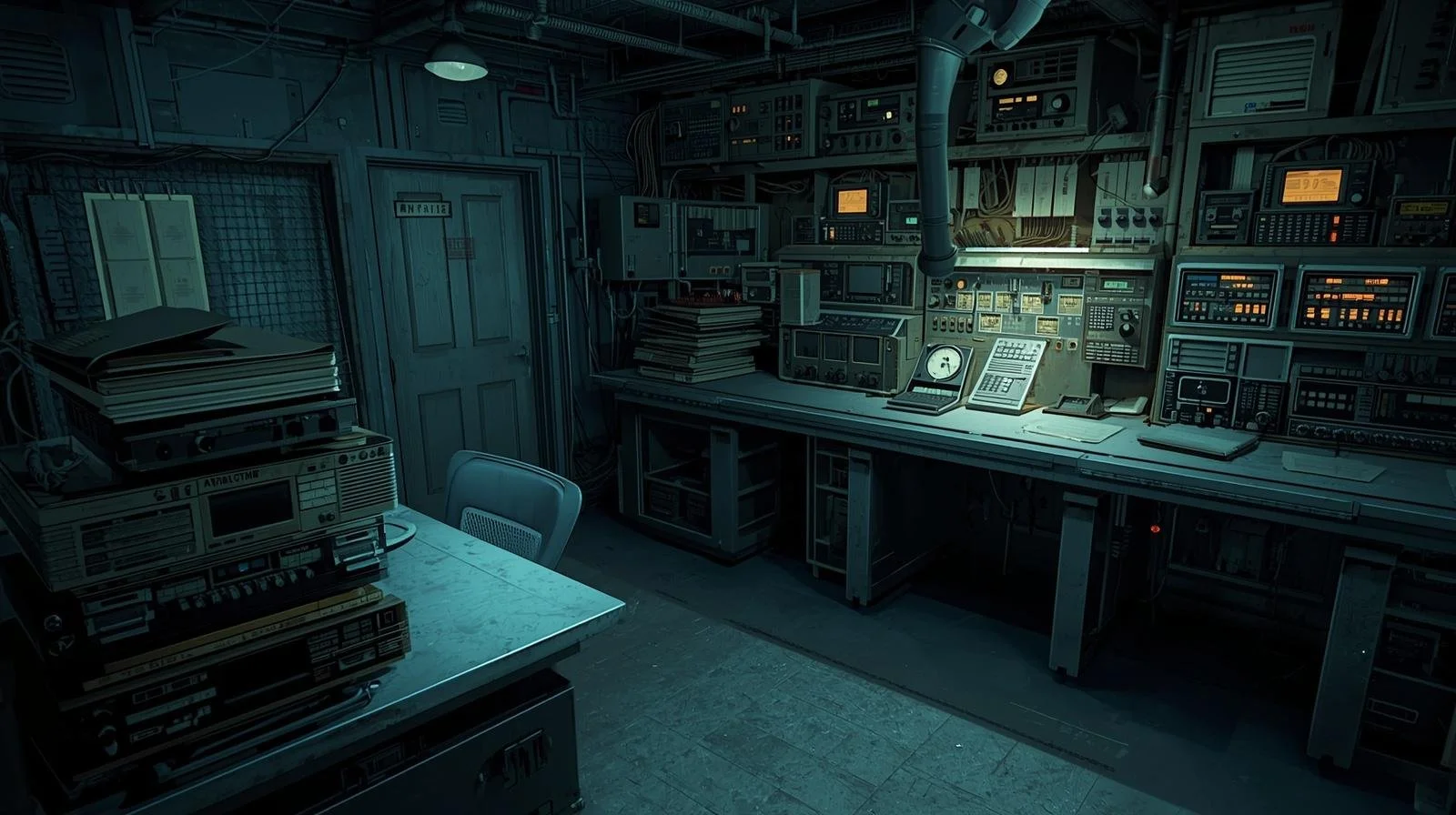
In response to this concealed contest, both superpowers developed an intense focus on intelligence gathering, elevating espionage to a central component of statecraft. The Cold War saw the emergence of large intelligence agencies, including the CIA, NSA, and KGB, which engaged in a continuous, high-stakes competition involving spies, double agents, defectors, and sleeper cells. This fixation on intelligence prompted both nations to undertake bold, high-risk operations. For example, the United States initiated Project Azorian to covertly recover a sunken Soviet submarine and Operation Ivy Bells to tap underwater Soviet communication cables, illustrating the extraordinary measures pursued for strategic advantage. On the Soviet side, similar paranoia led to initiatives such as Project RYAN in the early 1980s. Motivated by exaggerated fears of a surprise Western nuclear strike, the Soviet leadership directed operatives to monitor communications and economic indicators for signs of imminent attack. Such operations fostered an atmosphere of fear and miscalculation, highlighting how strategic paranoia could escalate tensions to the brink of nuclear conflict over misinterpreted military activities.
The fixation on intelligence extended beyond conventional espionage into the psychological domain. Widespread fears that adversaries possessed advanced methods of psychological manipulation fueled the "brainwashing" scare of the 1950s. In response to exaggerated claims of communist mind-control techniques, the CIA initiated controversial and unethical research programs such as MK-ULTRA. Under the pretext of national security, researchers explored esoteric devices, sensory deprivation, and psychoactive substances to alter human behaviour and extract confessions covertly. The pursuit of these programs demonstrated how the psychology of permanent suspicion normalised violations of ethical standards, civil liberties, and human rights. Permanent suspicion functioned as a self-fulfilling prophecy. By consistently assuming the worst intentions of their adversaries, both the United States and the Soviet Union acted as deeply paranoid rivals, interpreting peace or disarmament proposals as deceptive manoeuvres. Even as the tangible structures of the Cold War dissolved, the underlying psychological framework—marked by zero-sum thinking, reliance on deterrence, and assumptions of covert adversarial activity—remained persistent. This era established a legacy of fragile international trust, ensuring that the mentality of hidden contestation endured beyond the geopolitical conflict itself.
The Cold War’s Ghost in Today’s World
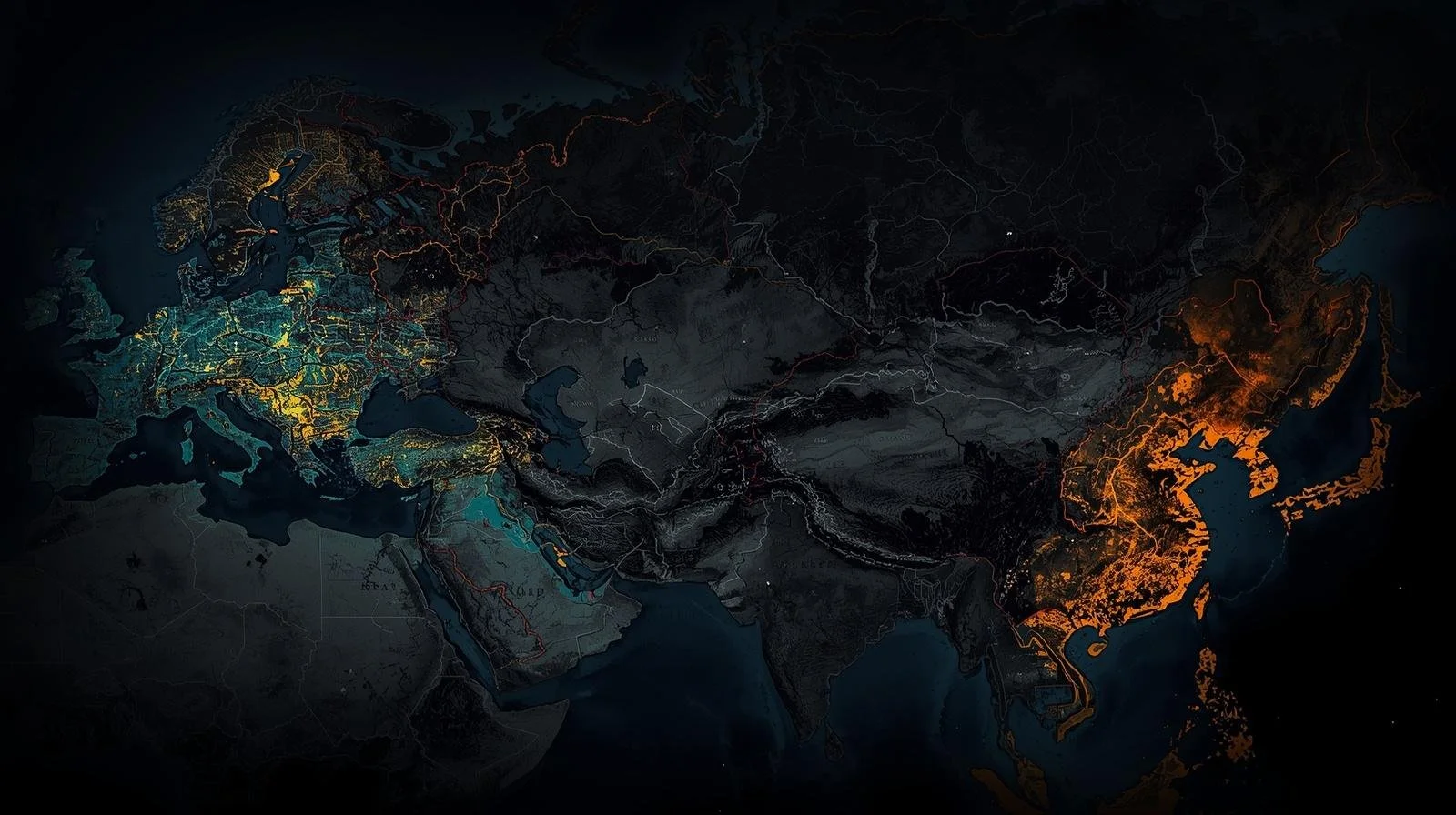
Despite the dissolution of the Soviet Union more than thirty years ago, the international system continues to operate within the framework of Cold War geopolitical logic. The most prominent institutional legacies of this period are the persistence and eastward expansion of the North Atlantic Treaty Organisation (NATO) and the European Union. Instead of integrating Russia into a new pan-European security architecture, NATO expanded to include former Warsaw Pact states and Soviet republics. Russian leadership, characterising the collapse of the USSR as a "geopolitical catastrophe," interpreted this expansion as a hostile "encirclement" that threatened national security. In response, Russia has reverted to traditional sphere-of-influence strategies, employing military force and proxy interventions to assert control in regions such as Georgia and Ukraine, most notably through the annexation of Crimea. These actions illustrate how the Cold War boundaries of Eastern Europe have shifted eastward, perpetuating a volatile frontline of strategic tension.
In East Asia, the physical and ideological divisions established during the bipolar era remain particularly pronounced. The Korean peninsula continues to be divided along the 38th parallel, a direct legacy of the 1950s proxy conflict, with North Korea's nuclear ambitions presenting an ongoing threat to regional stability. Concurrently, strategic competition between the United States and China increasingly mirrors Cold War containment dynamics. As China modernises its military capabilities, including expanding its nuclear triad and asserting territorial claims in the South China Sea, the United States maintains extended deterrence commitments to allies such as Japan, South Korea, and Taiwan—the rationale for a forward military presence and regional defence. The persistent influence of nuclear postures underpins these regional flashpoints. Major powers have not abandoned the foundational logic of Mutually Assured Destruction; rather, they have adapted it into a framework of "complex deterrence." The United States, Russia, and China continue to modernise their strategic arsenals and are engaged in a technological arms race involving ballistic missile defences and precision-guided conventional weapons. To offset conventional military disadvantages, Russia has adopted an "escalate to de-escalate" nuclear doctrine and has threatened to target European states hosting US missile defence systems. Additionally, the Cold War legacy of nuclear proliferation has contributed to regional rivalries, as exemplified by the localised nuclear standoffs between India and Pakistan, which are rooted in the same cost-benefit calculations of deterrence that characterised the US-Soviet relationship.
The diplomatic discourse of the twenty-first century remains heavily influenced by the terminology of the twentieth. Great power competition continues to be conceptualised in terms of "spheres of influence," "containment," and "deterrence." Russia's use of European energy pipelines to exert pressure on former Soviet states, as well as the strategic manoeuvring by the United States and China in global trade and security networks, exemplify the persistence of zero-sum calculations. Although the ideological confrontation between communism and free-market capitalism has diminished, it has been supplanted by a rivalry between liberal democracies and authoritarian capitalist systems. By maintaining established alliance structures, modernising nuclear triads, and approaching geopolitics as an ongoing contest for dominance, contemporary global powers perpetuate the enduring influence of the Cold War on the current international order.
The Illusion of Cold War Peace
The absence of direct military conflict between the United States and the Soviet Union during the Cold War is frequently celebrated as a historic "long peace." However, this period represented a fundamentally deceptive tranquillity. Rather than a harmonious resolution of global tensions, the stability of the bipolar era aligns with what international relations scholars conceptualise as "negative peace": an order defined by the absence of direct, catastrophic violence rather than the presence of genuine security or justice. This peace was an artificial construct, consistently uncomfortable and perpetually on the brink of unparalleled disaster.
Central to this uneasy peace was the paradox of nuclear deterrence. The overwhelming destructive capacity of atomic arsenals fundamentally altered the nature of statecraft, removing the traditional optimism associated with great-power competition. For the first time in history, no nation could initiate a major war with any expectation of victory or survival. The threat of total annihilation transformed large-scale war into a profound hazard to human existence, rendering direct superpower conflict obsolete.
This reliance on the threat of apocalypse produced a deeply flawed psychological and structural environment. The logic of deterrence demanded a permanent state of military readiness, transforming the pursuit of mutual destruction into a formula that perpetually risked catastrophe. Strategic theorists observed that this fear-based stability operated in a vicious cycle: the danger of nuclear destruction created rigid stability, yet this same stability encouraged risk-taking at lower thresholds, thereby recreating the danger of war. The inability to fully control the adversary's actions compelled both superpowers to maintain a constant distance from direct conflict, while remaining trapped in an unending arms race.
Moreover, the illusion of a bloodless peace was confined to the core of the global system, where superpowers deemed direct confrontation too risky. For millions living on the global periphery, particularly in the developing world, this era was marked by violence and devastation comparable to any other period in history. In regions such as Korea, Vietnam, Afghanistan, and Yemen, the ideological struggle for dominance manifested through brutal proxy wars. Characterising the Cold War solely as a period of "peace" disregards the experiences of those who suffered as a direct result of superpower geopolitics.
Ultimately, the Cold War prevented the outbreak of a third world war, thereby ensuring humanity's survival. However, this survival came at the cost of normalising existential dread, as preparations for potential catastrophe became routine bureaucratic functions within modern alliances. The Cold War demonstrated that global stability could be engineered not through mutual understanding or shared values, but by managing tension, balancing terror, and maintaining a constant threat over human civilisation.

The Shadow That Stayed
The collapse of the Soviet Union was widely celebrated as the end of an era, with many anticipating a peaceful "new world order" free from ideological conflict. However, the notion of a definitive conclusion to the Cold War proved illusory. The conflict did not disappear but instead became embedded within the structural foundations of the modern world; rather than closing as a discrete historical chapter, the bipolar struggle transformed, its influence permeating the fabric of 21st-century global politics. Although the world shifted from a rigid bipolar standoff to a more complex and uncertain environment, the foundational elements of the previous conflict remained largely intact.
Although the physical barriers of the 20th century were dismantled, the institutional structures and strategic practices they produced were preserved and even expanded. Transatlantic organisations such as NATO and the European Union, initially established to counter Soviet influence, not only persisted but also expanded eastward, thereby reinforcing the legacy of a divided continent. Within these institutions, the underlying logic of the Cold War continues to influence the global order. The principles of nuclear deterrence, once central to the superpower standoff, have evolved into a "complex deterrence" involving emerging regional powers, asymmetric threats, and modernised arsenals maintained as ultimate security guarantees. The international community continues to depend on the threat of catastrophic destruction to sustain a precarious peace.
More significantly, the psychological legacy of the Cold War has persisted beyond its geopolitical boundaries. The period fostered a pervasive culture of strategic paranoia, an intense focus on intelligence gathering, and a lasting fear of external threats. Although the immediate fear of a sudden thermonuclear catastrophe has diminished in everyday civilian life, the mindset of constant suspicion has adapted to new challenges. Former anxieties about ideological subversion and covert manipulation have evolved into contemporary concerns regarding cyber warfare, digital disinformation, and the covert manipulation of global networks. The predictable fear associated with the Soviet threat has been replaced by a multifaceted apprehension of rogue states, terrorism, and asymmetric warfare, ensuring that global consciousness remains continually alert to unseen dangers.
This enduring legacy necessitates an acknowledgement of the inherent unpredictability of human history. During the Cold War, theorists and policymakers frequently treated international relations as a predictable science, attempting to model state behaviour with precision. Nevertheless, the unexpected dissolution of the Soviet Union revealed that historical developments are considerably more fluid and vulnerable to abrupt, chaotic transformations. History does not advance in a linear or predetermined manner; instead, it is shaped by a complex interplay of contingencies, human motivations, and sudden structural changes that defy precise forecasting. Despite ongoing efforts to predict future events, the trajectory of history remains subject to unforeseen variables and random occurrences.
Ultimately, the legacy of the Cold War continues to influence the modern world order because its structures of fear, managed tension, and institutionalised suspicion were never fully dismantled. The international community now faces an unpredictable future, navigating a multipolar landscape that remains deeply affected by the unresolved issues of the 20th century. As the world moves forward, we need to acknowledge the profound uncertainty that characterises the current trajectory. The future remains unwritten and unpredictable, unfolding under the persistent shadow of a conflict that ended in name but never truly disappeared.

References
Aldrich, R. (2002). ‘Grow your own’: cold war intelligence and history supermarkets. Intelligence & National Security, 17(1), 135–152. https://doi.org/10.1080/02684520412331306450
Aleknonis, G. (2020). The Conspiracy of Brainwashing: the Experiences of the First and the Second Cold War. Slovak Journal of Political Sciences. https://doi.org/10.34135/sjps.200105
Anderson, M. W., Corps of Engineers, & US Army War College. (1966). Turkey, CENTO vs. NATO: Mutually Supporting or a Conflict of Interest?
Bai, Y. & Nanjing Jingling High School Hexi Campus. (2025). The Cold War: origins, causes, and global impacts. In Advances in Humanities Research (Issue 6). EWA Publishing.
Borjas, G. J., Doran, K. B., & National Bureau of Economic Research. (2012). The collapse of the Soviet Union and the productivity of American mathematicians (Working Paper 17800). http://www.nber.org/papers/w17800
Busch, G. K. (n.d.). The legacy of the Cold War.
Cioffi-Revilla, C., Ph. D. (2020). Nuclear Deterrence Theory in the Early Cold War, 1945–1962. In Oxford Encyclopedia of International Studies.
Civil Wars & the Post–Cold War International Order. (2017). In Dædalus, the Journal of the American Academy of Arts & Sciences (pp. 33–35). https://doi.org/10.1162/DAED_a_00457
Davis, P. E. (2011). The Non-Aligned Movement: a struggle for global relevance (By Stephen D. Krasner, Interschool Honors Program in International Security Studies, Center for International Security and Cooperation (CISAC), & Stanford University).
De Silva, S. (21 C.E.). NUCLEAR DETERRENCE: a CONTESTED CONCEPT IN THE 21st CENTURY. In DEFENCE AND SECURITY JOURNAL [Journal-article].
Fallon, J. E. (n.d.). “DOWN THE RABBIT HOLE”: CONSEQUENCES OF U.S. AND NATO GEOPOLITICAL MISTAKES SINCE 2001.
Fenton, D. M. (2006). SEATO and the Defence of Southeast Asia 1955-1965 [Thesis]. In Thesis submitted for the degree of Doctor of Philosophy in the School of Humanities and Social Sciences, UNSW@ADFA.
Freedman, L. (2020). Introduction—The evolution of Deterrence Strategy and research. In NL ARMS (pp. 1–10). https://doi.org/10.1007/978-94-6265-419-8_1
Frroku, E. (2021). History, has it Ended or Just Begun After the Cold War [History].
Gaddis, J. L. (1992). International Relations Theory and the end of the Cold War. In International Security (Vols. 17–17, Issue 3, pp. 5–58). The MIT Press. https://www.stat.berkeley.edu/~aldous/157/Papers/gaddis.pdf
Gaddis, J. L. (2005). The Cold War: a new history [Book]. The Penguin Press.
Gehrig, S. (2022). Informal Cold War Envoys: West German and East German cultural diplomacy in East Asia. In Journal of Cold War Studies (pp. 112–156) [Journal-article]. President and Fellows of Harvard College and the Massachusetts Institute of Technology. https://doi.org/10.1162/jcws_a_01092
Geronik, A. (2024). The Cold War in retrospect: a continuous international conflict or a world war? Cogent Social Sciences, 10(1). https://doi.org/10.1080/23311886.2023.2300527
Guerdat, M. G. (2013). The collapse of the Soviet Union and its repercussions: a literature review. In Vulcan Historical Review (Vol. 17) [Journal-article]. https://digitalcommons.library.uab.edu/vulcan/vol17/iss2013/8
Harwood-Melligan, K. (2023). COLD WAR ESPIONAGE INFLUENCE ON MODERN INTELLIGENCE [Master’s Thesis]. In American Public University System & R. Redding, American Public University System. https://d1wqtxts1xzle7.cloudfront.net/115362240/Cold_War_Espionage_Influence_on_Modern_Intelligence-libre.pdf?1716820878=&response-content-disposition=inline%3B+filename%3DCold_War_Espionage_Influence_on_Modern_I.pdf&Expires=1734092982&Signature=doKLExy9OOY~EE~LfjCqaKfVEtpNqmyWw-hhgR5bh6OPSnPxx6ioFc~2lBo~HIZ42cQht1gbQ~pI7Z-~vo7cmmnOm8mEioGzOoRHdZp50Pd-K6FoxPxfr-YanSU5TLTMVnyLSU0RTibBrURCVo4zJtx4o~FpVo0aEacqRwYTNd-YWRbgiNzr7wPpIhxAiY1gJxCEFl7XktE8kfGkJiZM4BT0CW2jbIzlmtjBQhPR~sqCYZaNmlORq8I0A5micUj-J0i0Ik6C8nXNOjlEAN-LwLbeZzShaIpf18lA8s9rK9TNnwSg3EYbkWTE-PrQAjjnrxh4apA9zL67Df-LTDhEcA__&Key-Pair-Id=APKAJLOHF5GGSLRBV4ZA
Johnson, R. (1999). Post-Cold War Security: the lost opportunities. In THE NEW SECURITY DEBATE.
Karsh, E. (1997). Cold War, post-Cold War: does it make a difference for the Middle East? In Review of International Studies (Vols. 23–23, pp. 271–291) [Journal-article].
Kennan, G. F. & John J. Mearsheimer. (2012). American diplomacy (Sixtieth-Anniversary Expanded Edition). The University of Chicago Press.
Long, A. & RAND Corporation. (2008). Deterrence from Cold War to long war. RAND Corporation.
Lucas, E. (n.d.). The New Cold War: Putin’s Russia and the threat to the West. In The New Cold War (2014th ed.).
McCauley, M. (2021). The rise and fall of the Soviet Union. Routledge.
mmahindro@yahoo.com. (2018). Proxy Wars: Role of External elements.
Morewood, S. (2005). Gorbachev and the collapse of the Soviet Union. In End of Empire [Journal-article].
Mrvaljevic, S. (2021). Is nuclear deterrence defensible in the 21st century? In Lund University.
NATO. (n.d.). Introduction to NATO.
NATO. (1949). NATO. JSTOR.
Ogilvie-White, T. (2020). The logic of nuclear deterrence: assessments, assumptions, uncertainties and failure modes (By United Nations Institute for Disarmament Research). UNIDIR. https://doi.org/10.37559/WMD/20/DDAC/03
Paul, T. V., Morgan, P. M., & Wirtz, J. J. (Eds.). (2009). Complex deterrence.
Pooe, K. L. M. & Independent Institute of Education, Monash South Africa. (2025). The Communist Bloc and the Cold War: geopolitical tensions and ideological struggles. Monash.
Sakwa, R. & University of Kent. (2013). The Soviet collapse: Contradictions and neo-modernisation. Journal of Eurasian Studies, 65–77. http://dx.doi.org/10.1016/j.euras.2012.07.003
Snyder, T. (2018). The road to unfreedom: Russia, Europe, America. Tim Duggan Books.
Tomes, R. (2014). THE COLD WAR OFFSET STRATEGY: ORIGINS AND RELEVANCE.
Turner, I. (2015). The new Cold War. In Political Science 2024: Research Methods.
Understanding Soviet Foreign Policy (1917-1991). (2019). In Journal of International Eastern European Studies/Uluslararası Doğu Avrupa Araştırmaları Dergisi: Vol. Vol./Yıl. 1 (Issue No/Sayı. 1) [Journal-article].
Unknown. (n.d.-a). POST-COLD WAR DEVELOPMENTS.
Unknown. (n.d.-b). Proxy war: role of external elements. In Proxy War: Role of External Elements (pp. 1–7).
Van Oudenaaren, J. & Francis Conte. (n.d.). UNDERSTANDING SOVIET FOREIGN POLICY.
Vijayakumar, S. (n.d.). THEORY OF NUCLEAR DETTERENCE -A CHALLENGE TO INTERNATIONAL HUMANITARIAN LAW.
Waltz, K., Freedman, L., Sagan, S. D., Beaufre, A., Graham, J. J., Maude, F. N., & Luddendorf, E. (n.d.). Main Challenges of Deterrence During the Cold War and Its Validity Post-1991. JSTOR.
Westad, O. A. (2007). The global Cold War. Cambridge University Press. https://ir101.co.uk/wp-content/uploads/2018/11/westad-2007-the-global-cold-war-compressed.pdf
Wikimedia Commons, Constitutional Rights Foundation, Kennan, G. F., Roosevelt, F., Churchill, W., Stalin, J., Truman, H., & Tito, J. B. (n.d.). U.S. HISTORY. https://teachdemocracy.org/images/pdf/gates/Cold-War.pdf
Williams, C. & Europe PMC Funders Group. (2020). Public psychology and the Cold War brainwashing scare. In Hist Philos Psychol (Vols. 21–30). https://pmc.ncbi.nlm.nih.gov/articles/PMC7116730/pdf/EMS114217.pdf
Zanchetta, B. (2016). STRATEGIC SECURITY ANALYSIS. In GCSP - THE RELEVANCE OF THE COLD WAR TODAY.
Zubok, V. M. (2021). THE FALL OF THE SOVIET UNION. YALE UNIVERSITY PRESSYALE UNIVERSITY PRESS.