Part 3. The Consequences: Implications of Endless Wars for the Future
Modern wars no longer behave like events with a beginning, middle, and end. Increasingly, they harden into conditions — persistent states of managed violence that shape politics, borders, and everyday life without ever resolving themselves. This transformation does not merely change how wars are fought. It alters how societies govern, how states interact, and how the international system understands peace itself.
If wars do not end cleanly because politics prevents decisive conclusions, and if peace fails because it is structurally dangerous, then the logical consequence is adaptation. The world does not solve endless wars. It learns to live with them.
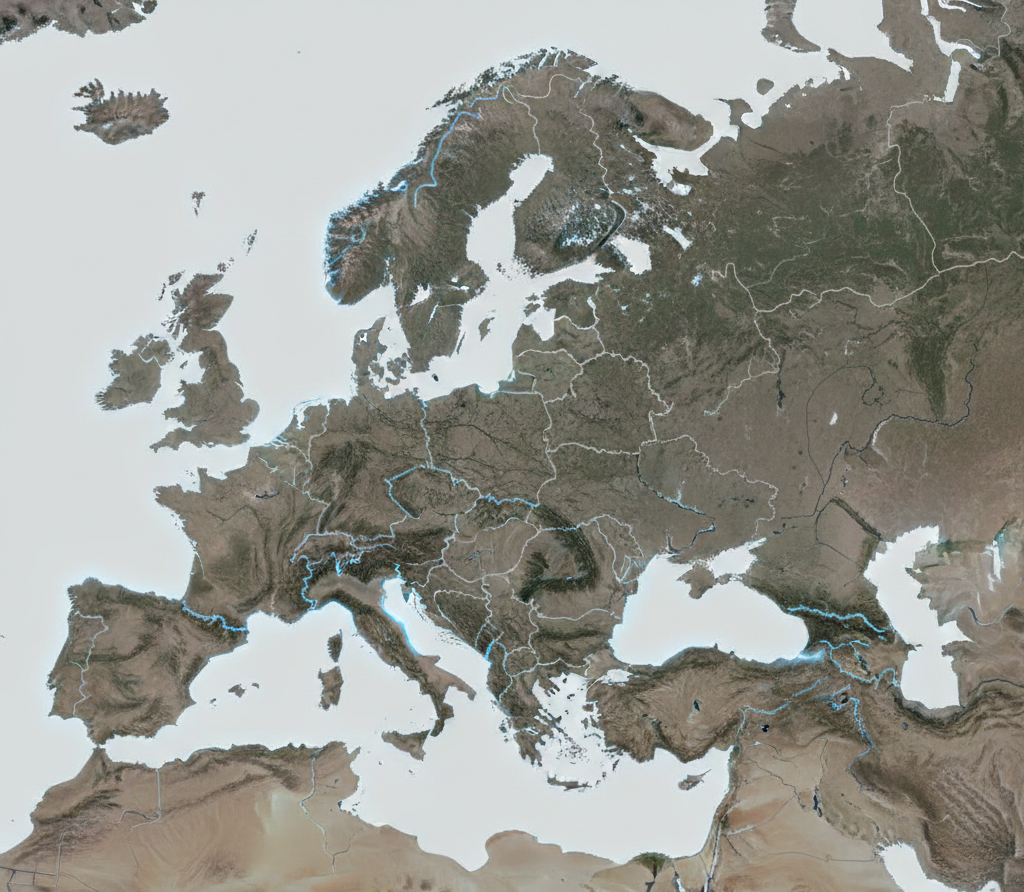
From Wars to Conditions
Classical theories of war assumed decisiveness. Conflicts ended with surrender, treaties, or exhaustion followed by settlement. Yet as Carl von Clausewitz observed, war is never an isolated act; it is shaped and sustained by political objectives. When those objectives evolve, war does not necessarily conclude — it adapts.
In many contemporary conflicts, political goals no longer require resolution. They require endurance. Rather than seeking outright victory, states and armed groups pursue leverage, deterrence, and survival within prolonged instability. Ceasefires freeze front lines without resolving underlying power struggles. Negotiations become pauses rather than turning points. Violence fluctuates, but it does not disappear.
Mary Kaldor’s work on “new wars” helps explain this shift. Modern conflicts are sustained by fragmented actors, external funding, illicit economies, and identity-based mobilisation rather than mass national mobilisation. Under these conditions, ending the war would require dismantling entire political and economic systems built around conflict itself. Peace becomes disruptive; war becomes stabilising.
The result is equilibrium. Not peace, not total war, but a durable middle ground — violent enough to matter, contained enough to persist. Wars stop aiming for conclusions and instead become environments within which politics, economies, and identities operate.
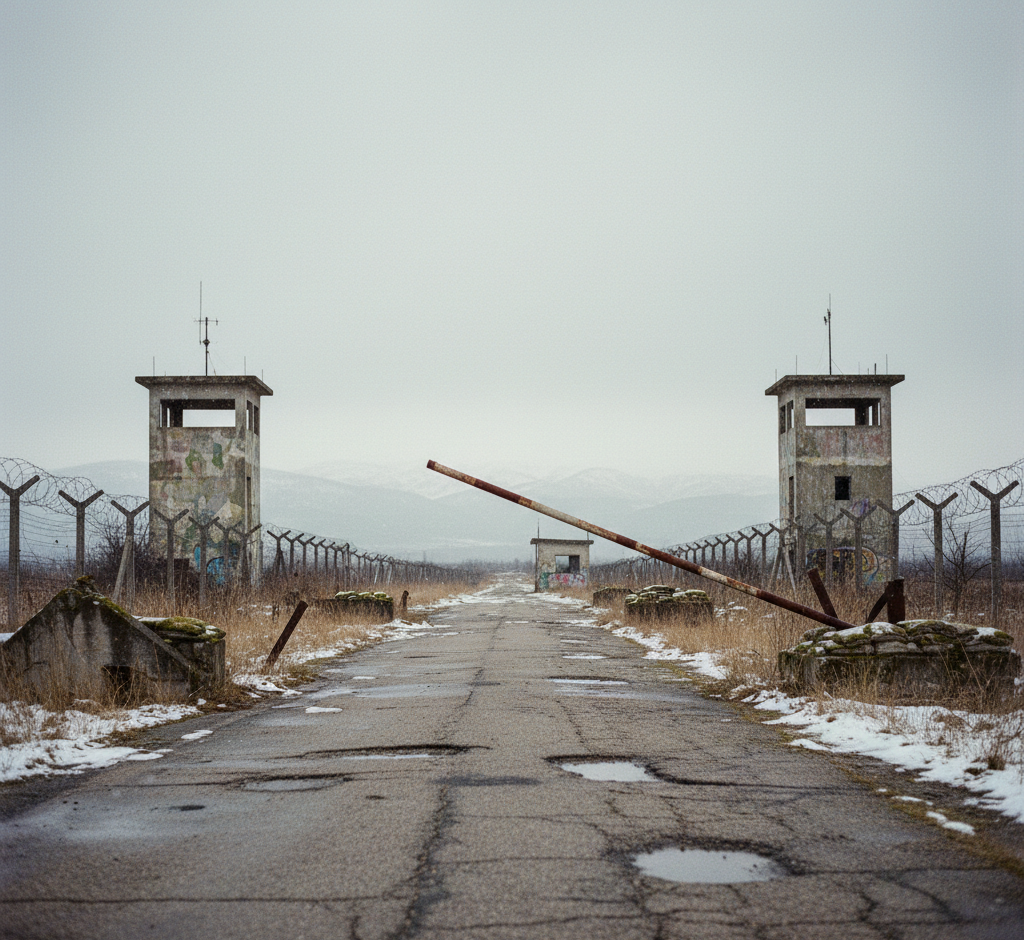
The Normalisation of Endless War
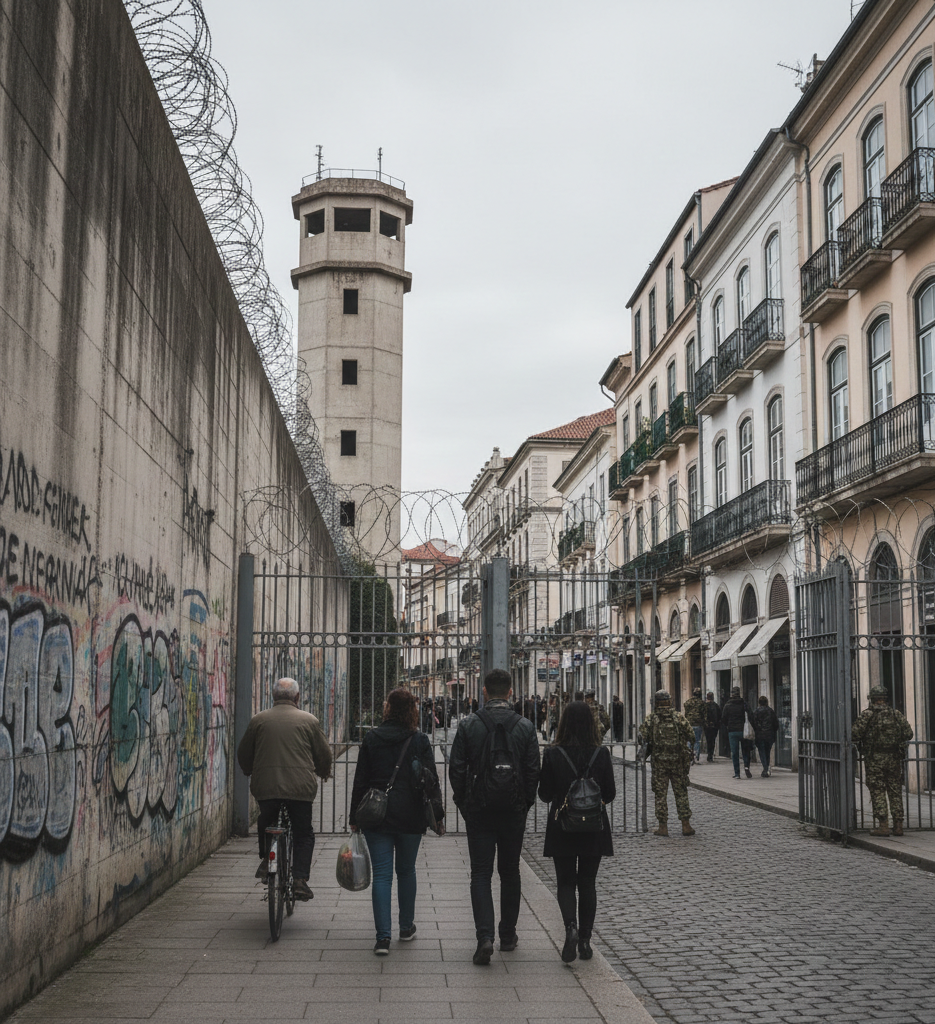
When wars persist long enough, societies stop treating them as emergencies. What begins as an exception gradually becomes the norm. States governed under prolonged conflict expand executive power, normalise surveillance, militarise public discourse, and justify extraordinary measures as permanent necessities. Borders harden or dissolve selectively. Civil liberties are framed as conditional. Security becomes the dominant political language, not because danger is constant, but because uncertainty is.
Over time, generations grow up knowing no clear “before” or “after” the conflict. War becomes background noise — present, shaping daily life, but no longer shocking. This normalisation dulls political urgency. Ending the conflict becomes abstract, even destabilising, while managing it feels pragmatic.
Hannah Arendt warned that permanent emergencies erode the distinction between exceptional rule and ordinary governance. In endless wars, that erosion accelerates. States do not collapse under conflict; they recalibrate around it. The danger is not authoritarianism alone, but acceptance — the quiet adjustment to violence as a governing condition rather than a political failure.
The Global System Under Strain
The consequences extend beyond individual states. Endless wars reshape the international system itself. International law and mediation frameworks are built on the assumption that conflicts move toward resolution. When wars freeze instead of ending, those frameworks lose credibility. Peace processes multiply but succeed less often. Ceasefires replace treaties. Monitoring missions replace settlements. The language of conflict management displaces the language of peace.
Frozen and protracted conflicts also incentivise proxy warfare. When decisive victory is costly or risky, external powers fund, arm, and indirectly influence conflicts, keeping them alive without owning them. Responsibility diffuses. Accountability erodes. Wars persist without clear authorship.
Over time, the international system adapts by lowering expectations. Resolution becomes optional. Stability replaces justice. Containment replaces conclusion. The idea that every conflict must end gives way to the belief that some conflicts are simply permanent features of global politics.
The Human and Economic Cost of Permanence
The most severe consequences of endless war are not measured in battles, but in time. When conflict persists for decades, displacement becomes generational. Refugee camps turn into semi-permanent cities. Education, healthcare, and civic institutions erode slowly rather than collapse dramatically. Aid replaces development. Survival replaces progress.
Economies adapt to conflict as well. War economies entrench themselves through smuggling, arms flows, and patronage networks. Violence becomes a livelihood. Peace threatens not only security, but income, status, and power. The longer a war lasts, the more actors emerge who depend on its continuation.
The human cost compounds quietly. Lost decades cannot be rebuilt quickly. Societies shaped by prolonged insecurity struggle to imagine stable futures. Even if violence subsides, the damage lingers — politically, economically, psychologically.
A World of Managed Conflict
Taken together, these dynamics point toward a sobering conclusion. The future of war is less likely to be defined by decisive endings and more by prolonged management. Conflicts will be contained rather than resolved, stabilised rather than settled, endured rather than ended. Peace will increasingly be understood as a process, not an outcome — a fragile balance maintained through deterrence, external guarantees, and controlled instability.
This does not mean violence will always escalate. It means it may never fully recede. The danger of modern war is not only destruction, but accommodation — the gradual acceptance of conflict as a permanent condition of political life. If war once represented the failure of politics, endless war represents its adaptation. The question facing the world is no longer how to win wars decisively, but whether living indefinitely with them is a price we are willing — or able — to keep paying.
Contemporary wars rarely manifest as discrete events with clear beginnings, middles, and ends. Instead, they increasingly become persistent states of managed violence that shape politics, borders, and daily life without resolution. This transformation alters not only the conduct of warfare but also fundamentally reshapes governance, interstate relations, and the international system’s conception of peace.
When wars fail to end decisively due to political obstacles, and peace remains unattainable because it introduces structural risks, adaptation becomes the prevailing response. Societies do not resolve protracted conflicts; instead, they adapt to their ongoing presence.
From Discrete Wars to Enduring Conditions
Classical theories of war assumed decisive outcomes, with conflicts concluding through surrender, treaties, or exhaustion, followed by settlement. However, as Carl von Clausewitz observed, war is never an isolated act but is shaped and sustained by political objectives. When these objectives shift, war does not necessarily end; it adapts.
In many contemporary conflicts, political objectives prioritise endurance rather than resolution. Rather than seeking outright victory, states and armed groups pursue leverage, deterrence, and survival amid prolonged instability. Ceasefires often freeze front lines without addressing underlying power struggles. Negotiations function as temporary pauses rather than decisive turning points. Although the intensity of violence may fluctuate, it rarely disappears.
Mary Kaldor’s analysis of “new wars” elucidates this transformation. Contemporary conflicts are sustained by fragmented actors, external funding, illicit economies, and identity-based mobilisation, rather than by mass national mobilisation. In these contexts, ending conflict would require dismantling entire political and economic systems structured around war. As a result, peace becomes disruptive, while war assumes a stabilising function.
The outcome is a form of equilibrium: neither peace nor total war, but a durable middle ground that remains consequentially violent while sufficiently contained to persist. Wars no longer seek definitive conclusions; instead, they become environments in which political, economic, and social dynamics unfold.
The Normalisation of Perpetual Conflict
As wars persist over extended periods, societies cease to perceive them as emergencies. What initially appears exceptional gradually becomes normalised. States governed under prolonged conflict expand executive power, normalise surveillance, militarise public discourse, and justify extraordinary measures as permanent necessities. Borders harden or dissolve selectively. Civil liberties are presented as conditional. Security becomes the dominant political language, not because danger is constant, but because uncertainty prevails
Over time, entire generations may grow up without a clear sense of what life was like before or after conflict. War becomes a persistent backdrop, shaping daily existence while losing its capacity to shock. This normalisation reduces political urgency; ending the conflict appears abstract or even destabilising, whereas ongoing management is regarded as pragmatic.
Hannah Arendt cautioned that permanent emergencies erode the distinction between exceptional rule and ordinary governance. In the context of endless wars, this erosion accelerates. States do not necessarily collapse in the face of conflict; instead, they recalibrate their structures around it. The principal danger lies not only in authoritarianism but also in the gradual acceptance of violence as a governing condition rather than a political failure.
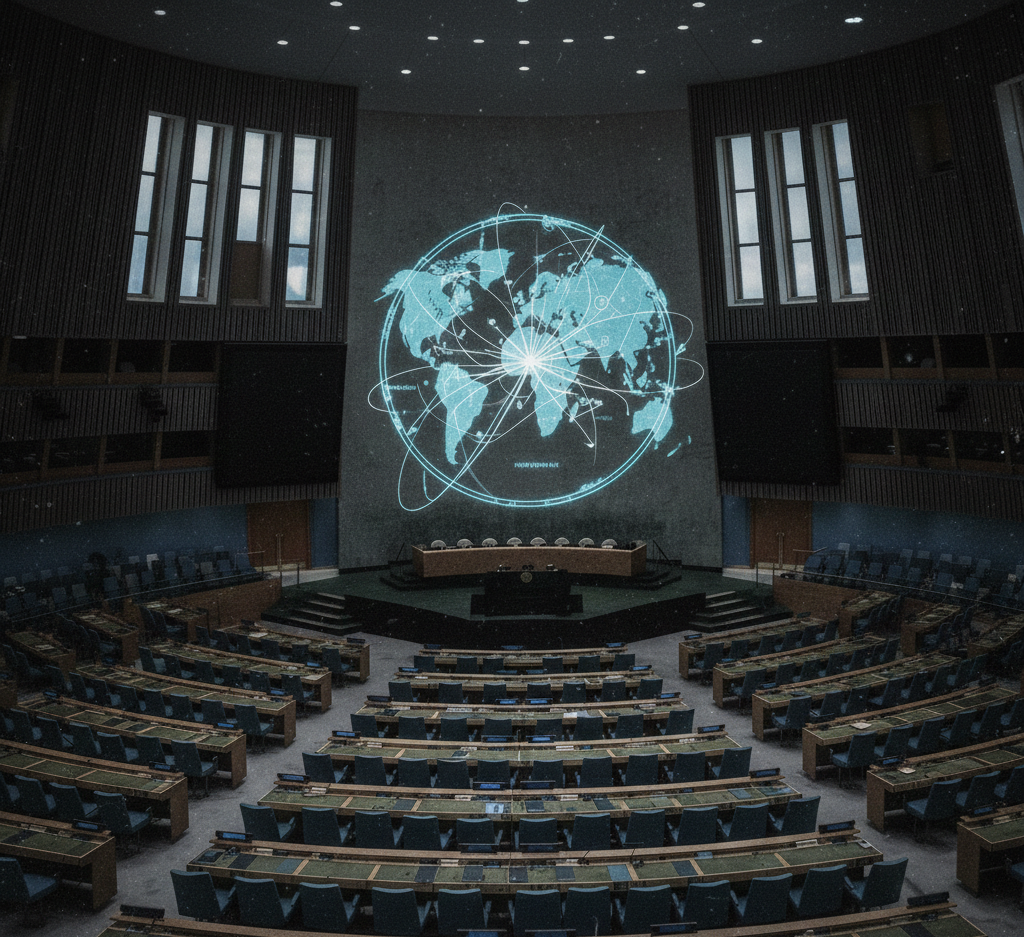
Strain on the Global System
The consequences of endless wars extend beyond individual states and fundamentally reshape the international system. International law and mediation frameworks are built on the assumption that conflicts move toward resolution. When wars freeze rather than end, those frameworks lose credibility. Peace processes multiply but succeed less often. Ceasefires replace treaties. Monitoring missions replace settlements. The language of conflict management displaces the language. Frozen and protracted conflicts also incentivise proxy warfare. When decisive victory is costly or risky, external powers fund, arm, and indirectly influence conflicts, sustaining them without direct involvement.
Responsibility becomes diffuse. Accountability erodes gradually, and the international system adapts by lowering its expectations. Resolution becomes optional, stability supplants justice, and containment replaces definitive conclusions. The conviction that every conflict must end is replaced by the belief that some conflicts are permanent features of global politics. global politics.
The Human and Economic Costs of Perpetual Conflict. Refugee camps transform into semi-permanent cities. Education, healthcare, and civic institutions erode gradually rather than collapse dramatically. Aid replaces development, and survival supplants progress.
Economies also adapt to persistent conflict. War economies become entrenched through smuggling, arms trafficking, and patronage networks. Violence becomes a source of livelihood. Peace threatens not only security but also income, status, and power. As conflicts endure, more actors emerge whose interests depend on their continuation. The human cost accumulates gradually. Lost decades are not easily restored. Societies shaped by prolonged insecurity struggle to envision stable futures. Even when violence diminishes, the damage persists politically, economically, and psychologically. A World Defined by Managed Conflict
Taken together, these dynamics indicate a sobering conclusion. The future of war is unlikely to be characterised by decisive endings; instead, it will be shaped by protracted conflicts. Conflicts will increasingly be contained rather than resolved, stabilised rather than settled, and endured rather than ended. Peace will be understood as an ongoing process rather than a definitive outcome, representing a fragile balance maintained through deterrence, external guarantees, and managed instability. This does not imply that violence will always escalate; somewhat, it may never fully recede. The principal danger of modern war lies not only in destruction but also in accommodation, which is the gradual acceptance of conflict as a permanent feature of political life.
Whereas war once signified the failure of politics, endless war now represents its adaptation. The central question is no longer how to achieve decisive victory, but whether indefinite coexistence with conflict is a price that societies are willing or able to pay.